Sunday, May 5th and we were off to the Atelier des Lumieres which was about a mile walk from our apartment. I had purchased tickets before we left and we were both very anxious to see what we had been told was an amazing presentation. We had a 10 am reservation and we were told to arrive about 30 minutes early so after croissants from the patisserie, we were off. The weather was overcast but it was not raining. There was a Sunday market which we walked through. Very busy for 9 am. The woman below reminded me of Maxine of greeting card fame!
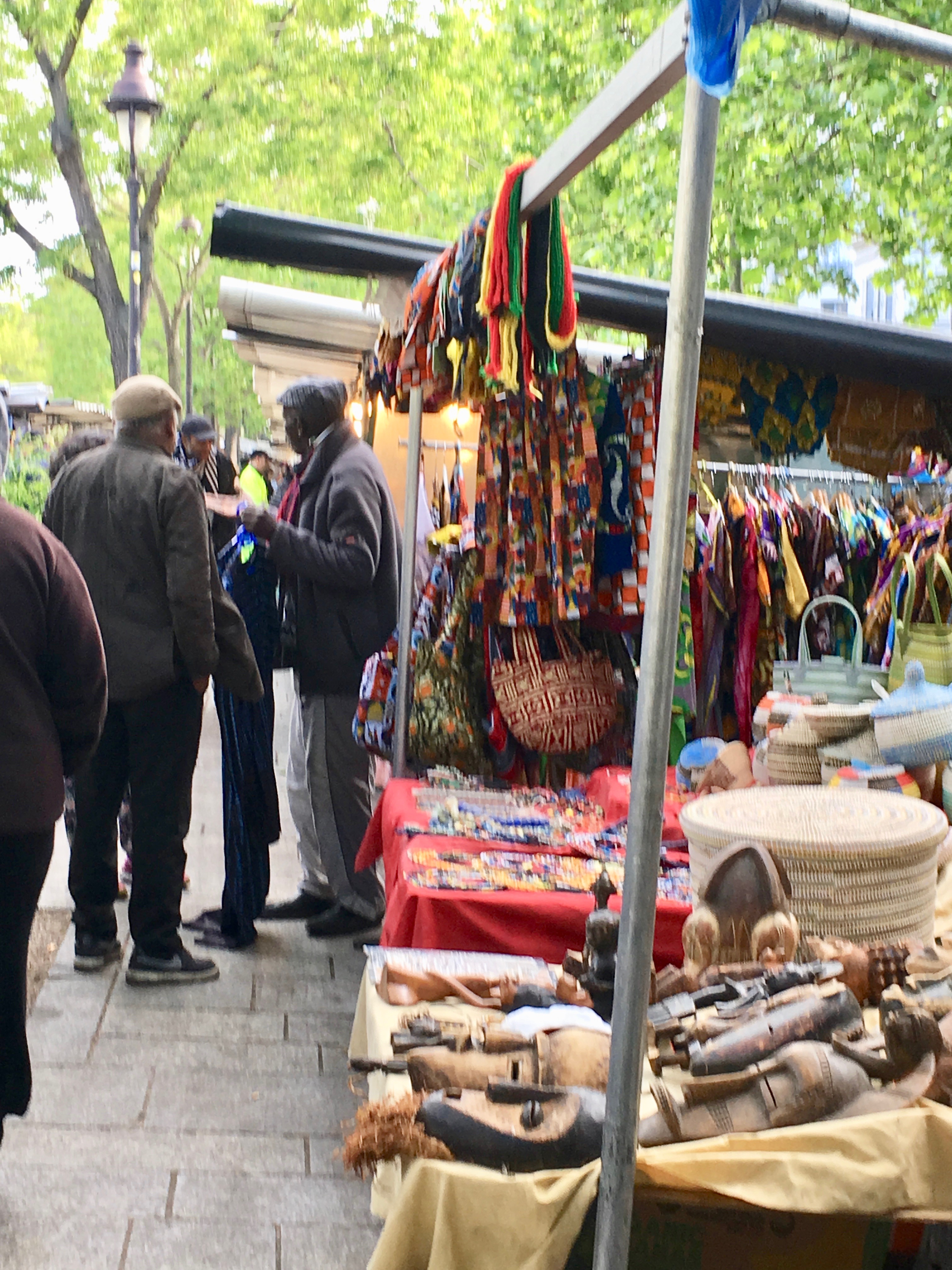
Colorful stand 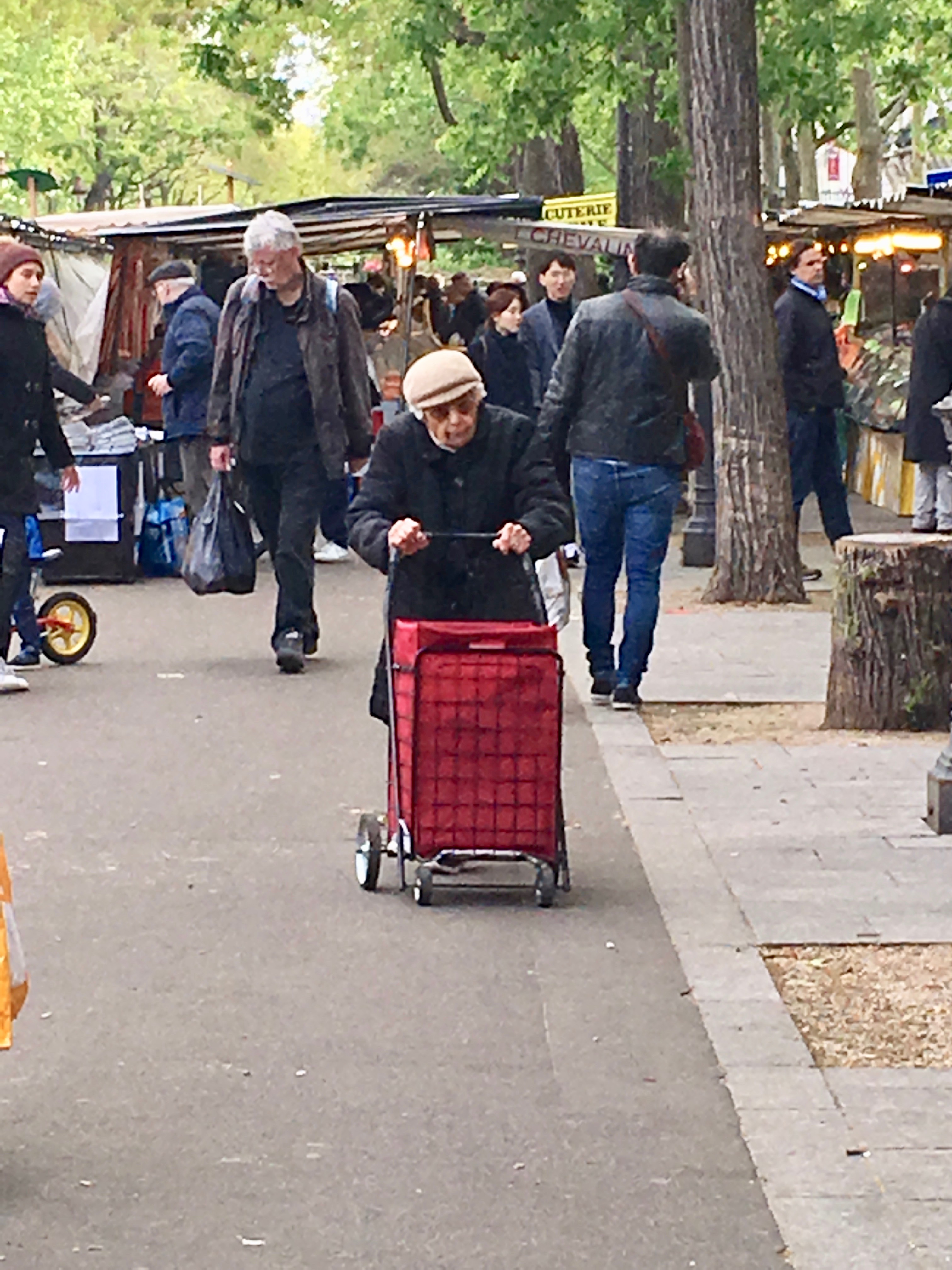
Maxine??
We got to the museum in plenty of time. People were lining up and at 9:45 we were allowed in. They scanned my ticket and WE WERE THERE A DAY EARLY!! What a crazy mistake. So now what? Since we wanted to go to the Musee Picasso and it was only about a mile away we headed that way. We stopped for coffee and then decided to have lunch. Cafe Charlotte was a fun spot, nice server and good food.
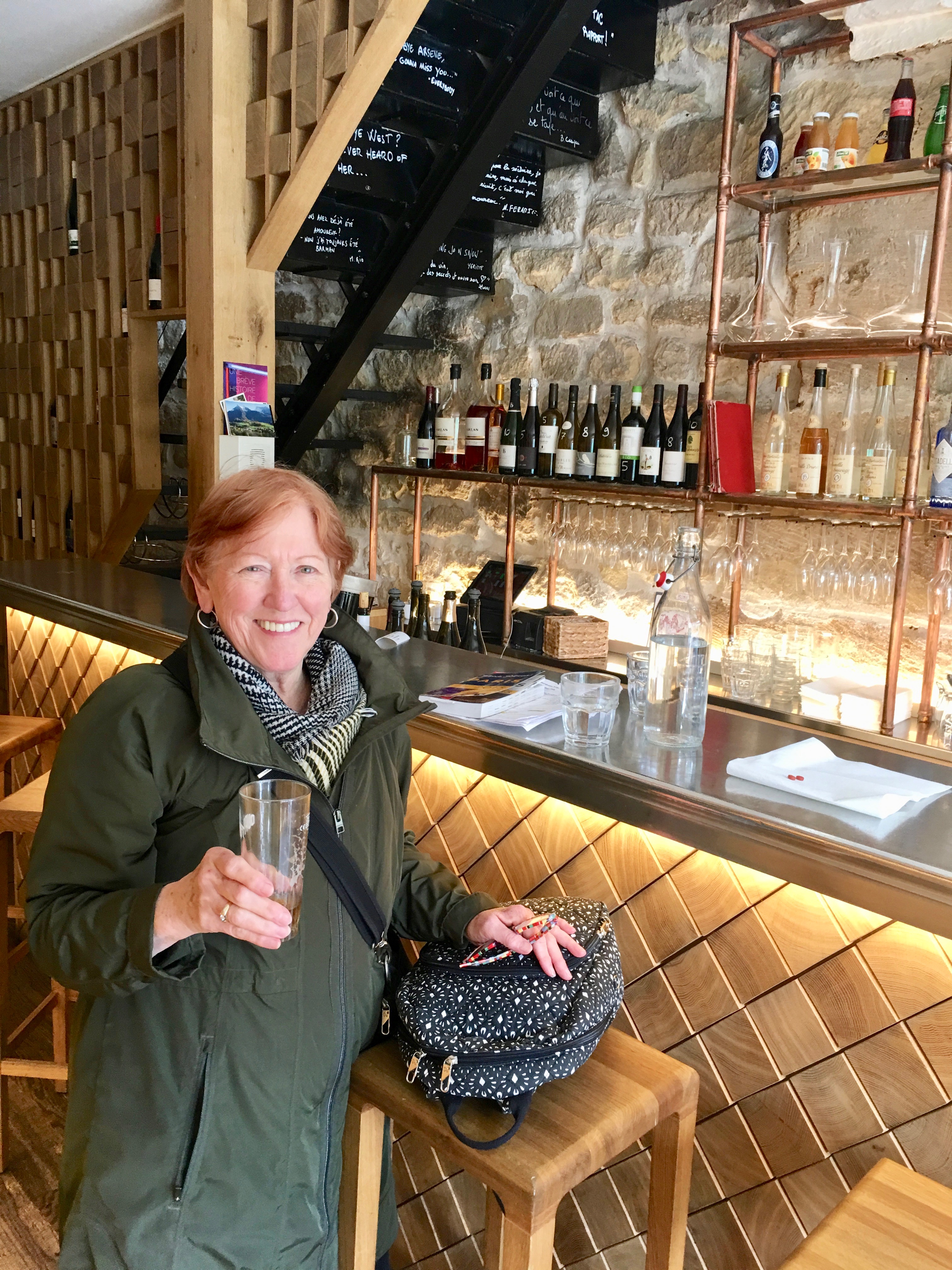
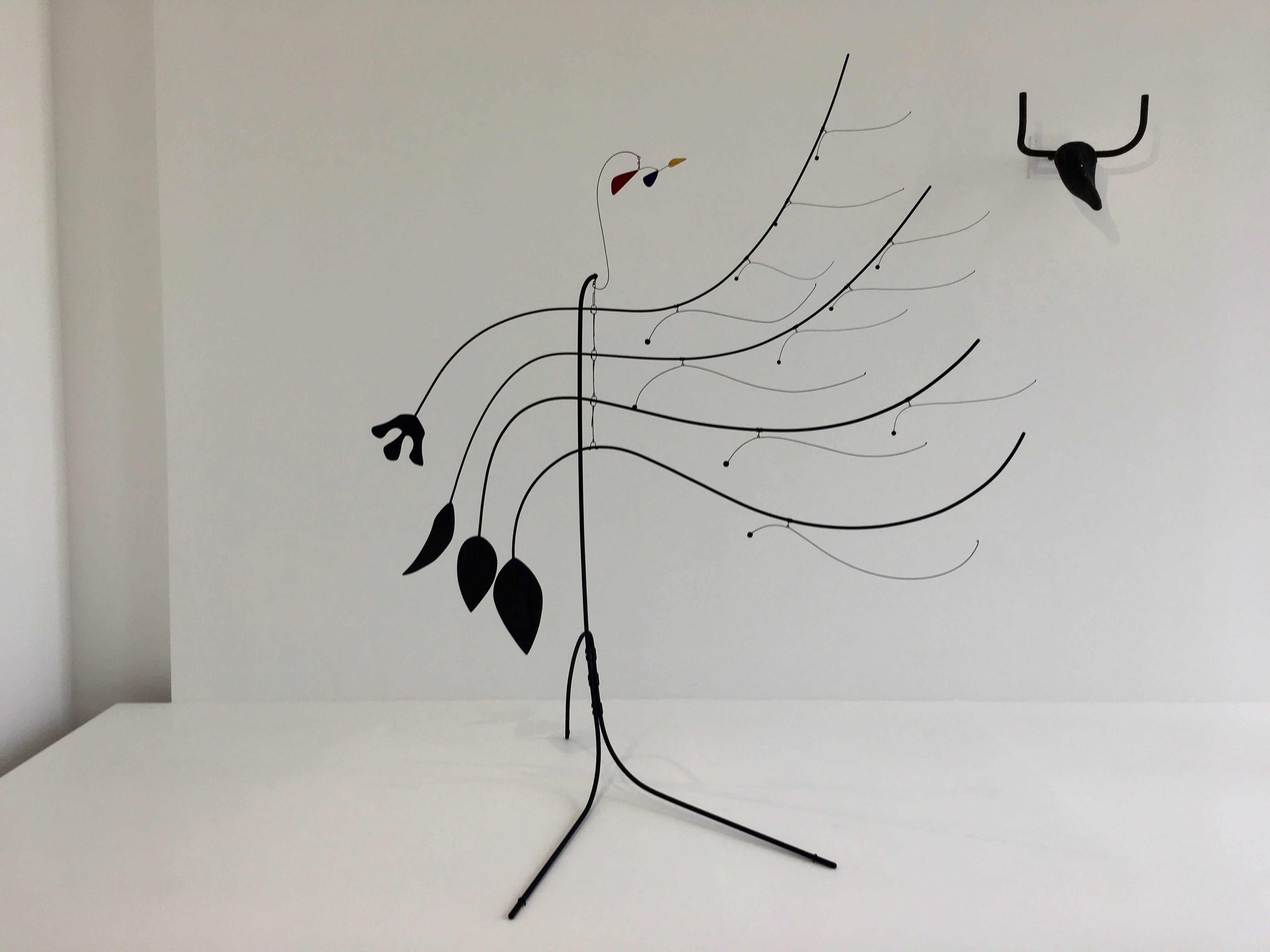
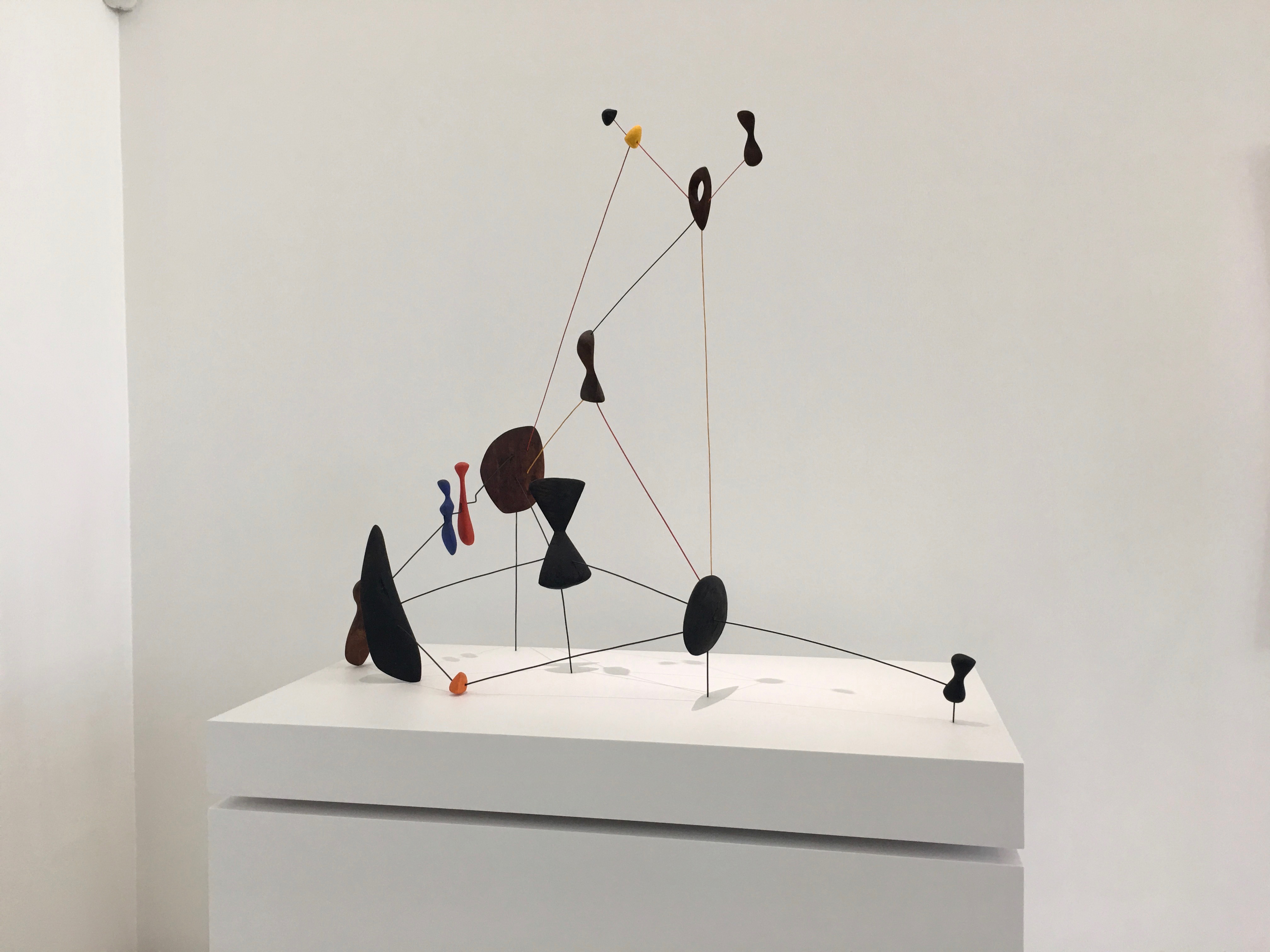
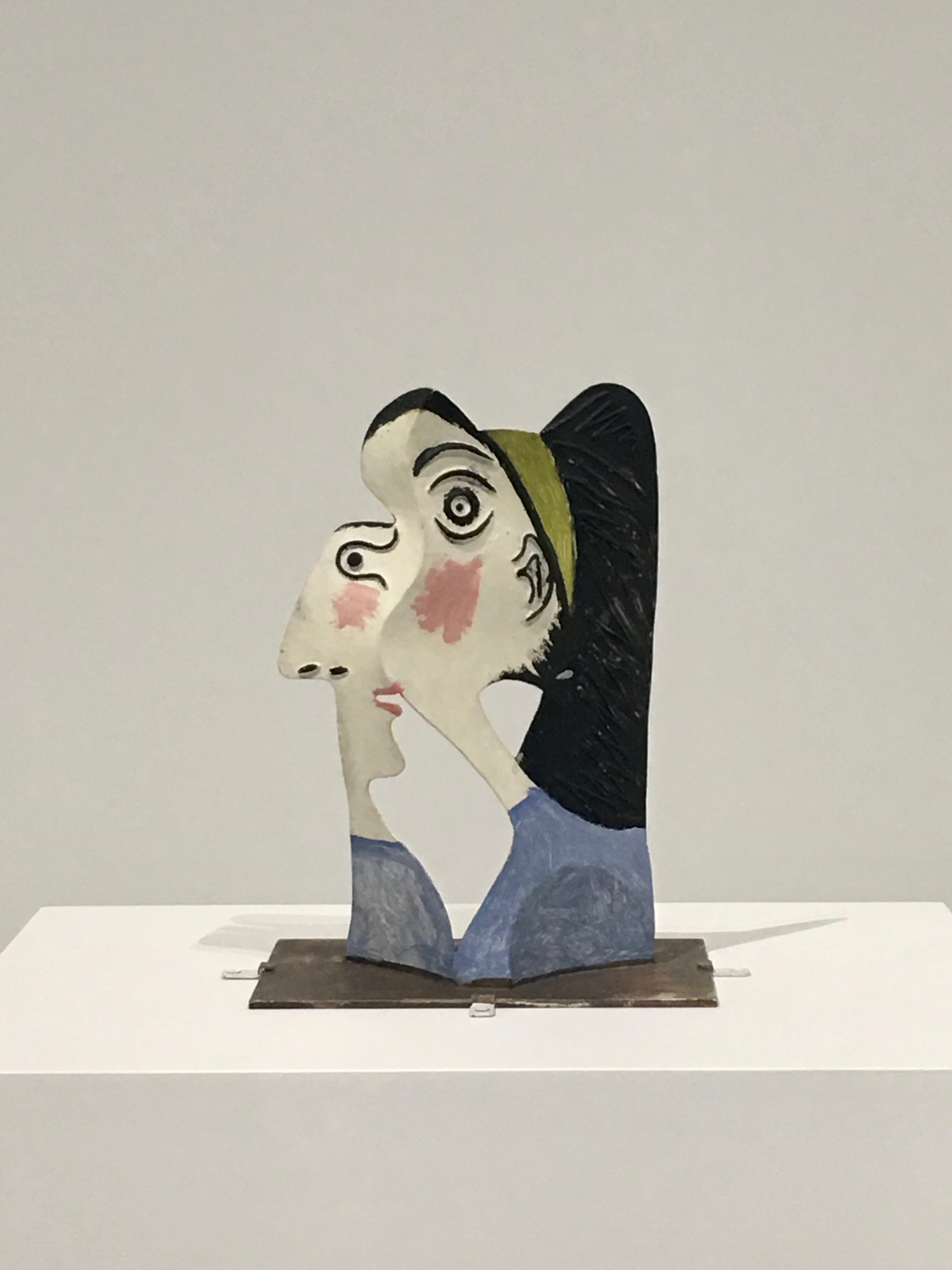
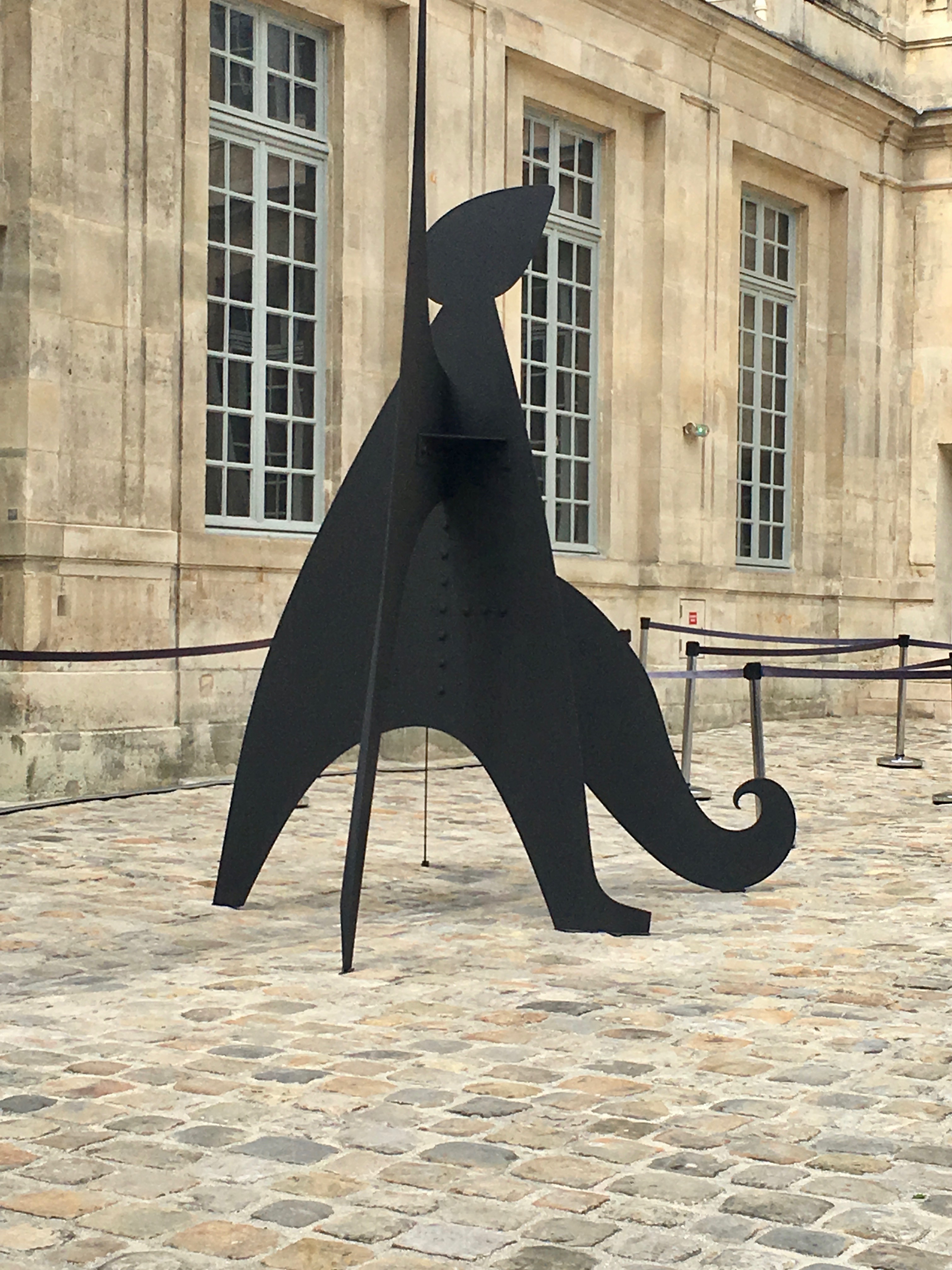
The Musee Picasso was having a special exhibition featuring Alexander Calder and Pablo Picasso. It was very interesting.
(From the museum website) Alexander Calder and Pablo Picasso are two of the most seminal figures of twentieth-century art – innovated entirely new ways to perceive grand themes. While the resonances between them are filled with endless possibilities, a key connection can be found specifically in their exploration of the void, or the absence of space, which both artists defined from the figure through to abstraction. Calder and Picasso wanted to present or represent non-space, whether by giving definition to a subtraction of mass, as in Calder’s sculpture, or by expressing contortions of time, as in Picasso’s portraits. Calder externalized the void through curiosity and intellectual expansion, engaging unseen forces in ways that challenge dimensional limitations, or what he called -grandeur-immense-. Picasso personalized the exploration, focusing on the emotional inner self. He brought himself inside each character and collapsed the interpersonal space between author and subject. The exhibition will comprise approximately 120 works that explore how these two artists, each in his own very different ways, engaged with the void and all that it implies about a world where mass is unsettled by the absence of mass and where, at the center of anything and everything, what we discover is a vacuum.
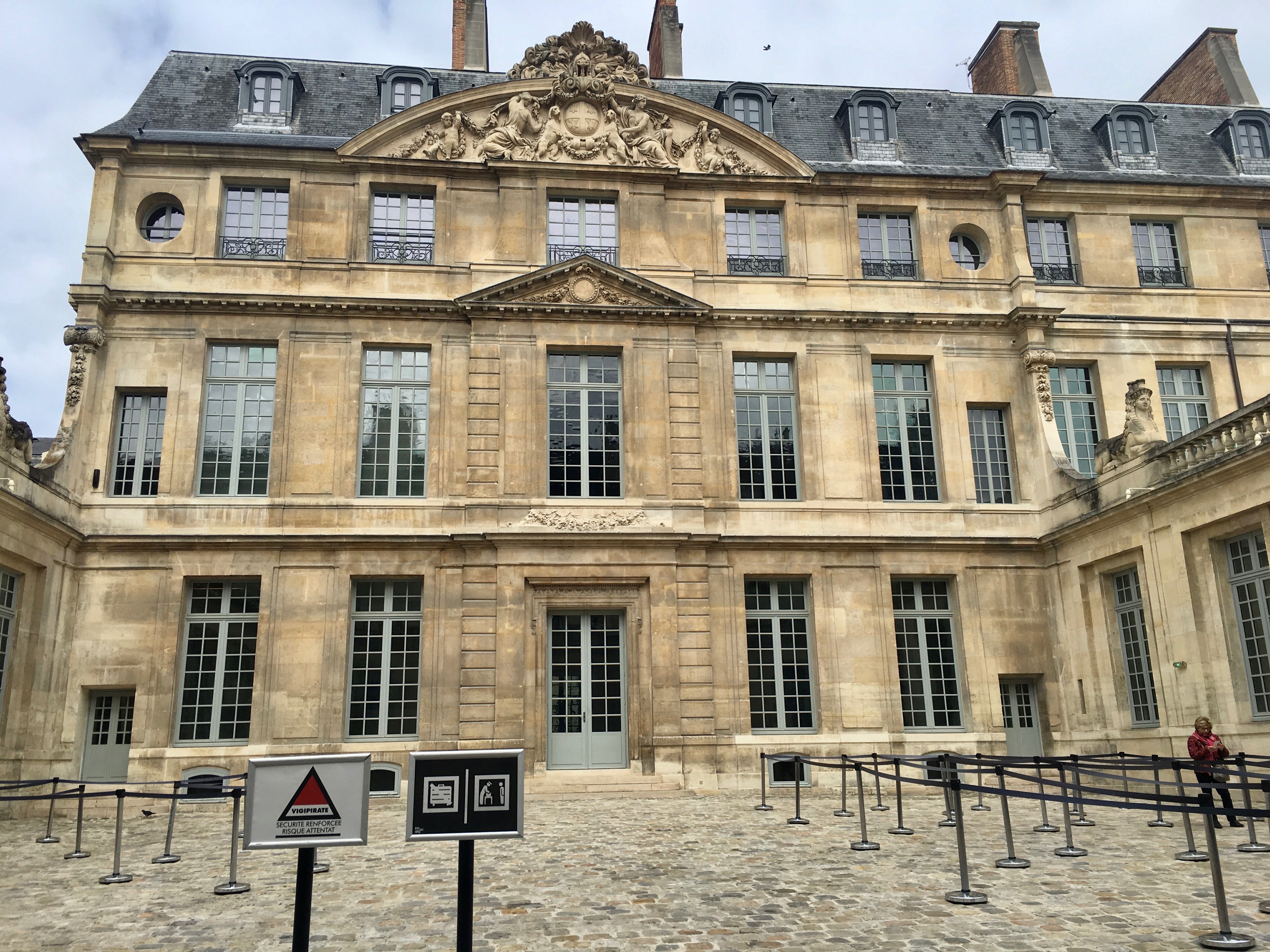
Front of the Musee Picasso 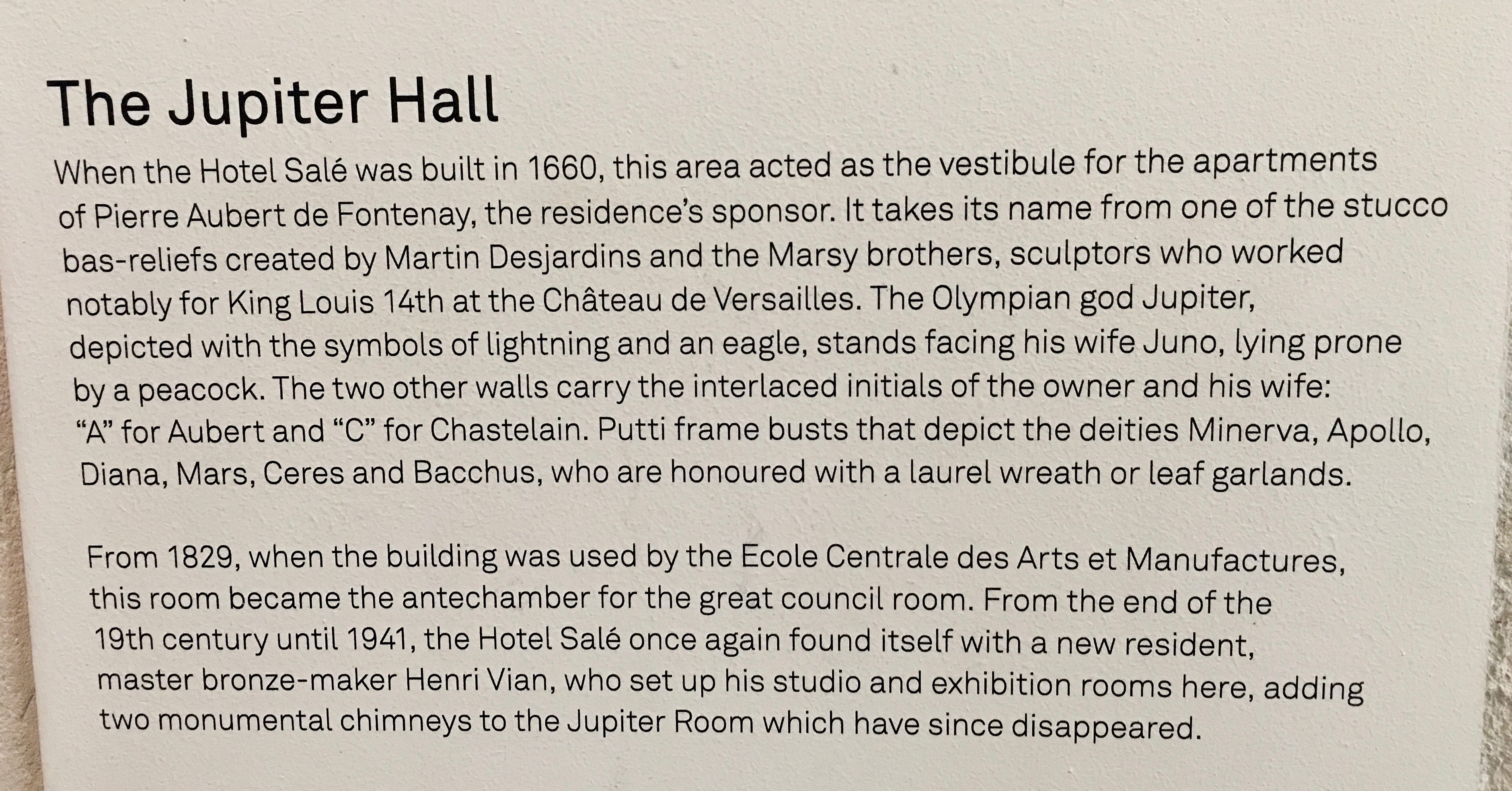
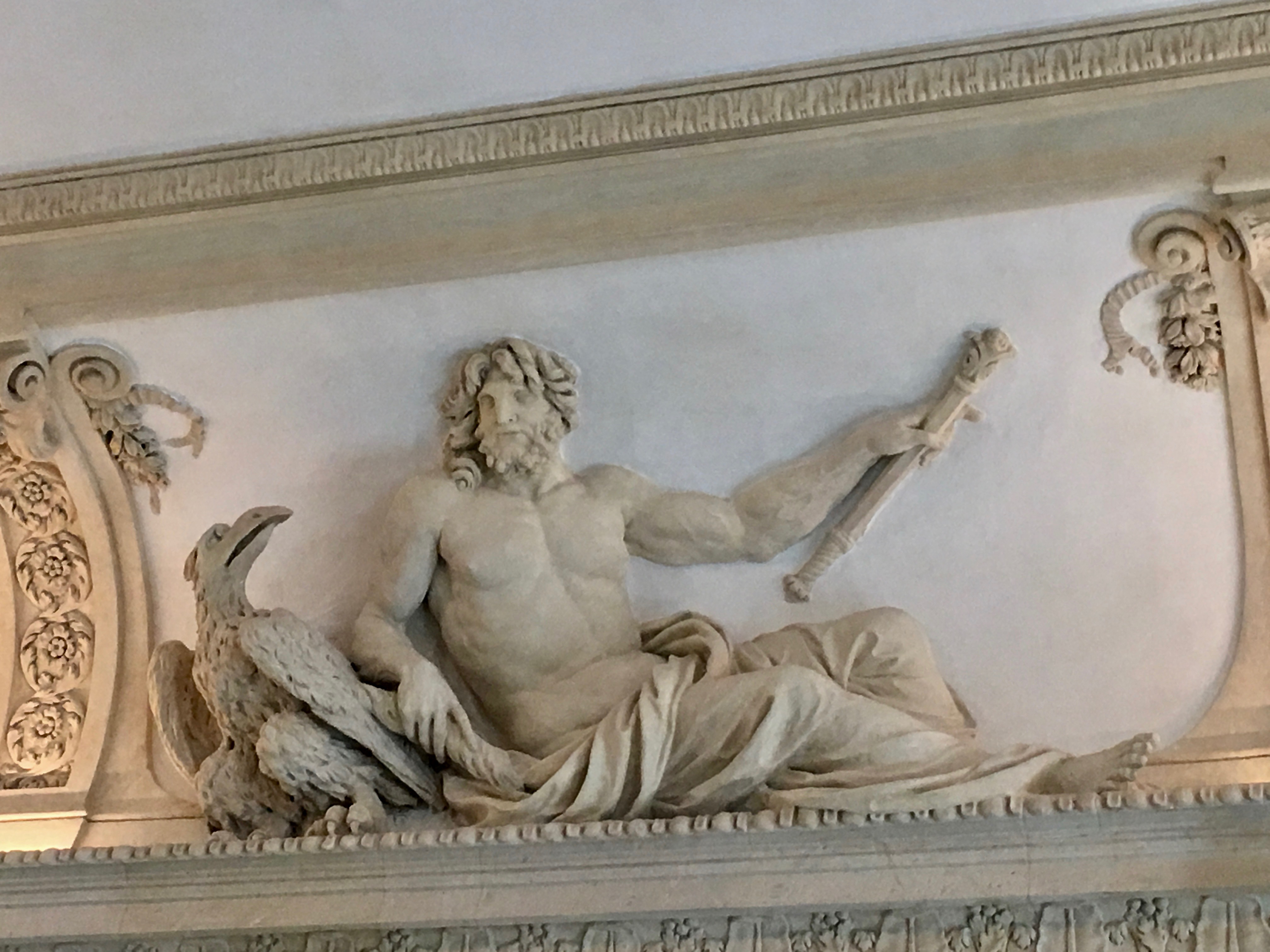
Jupiter 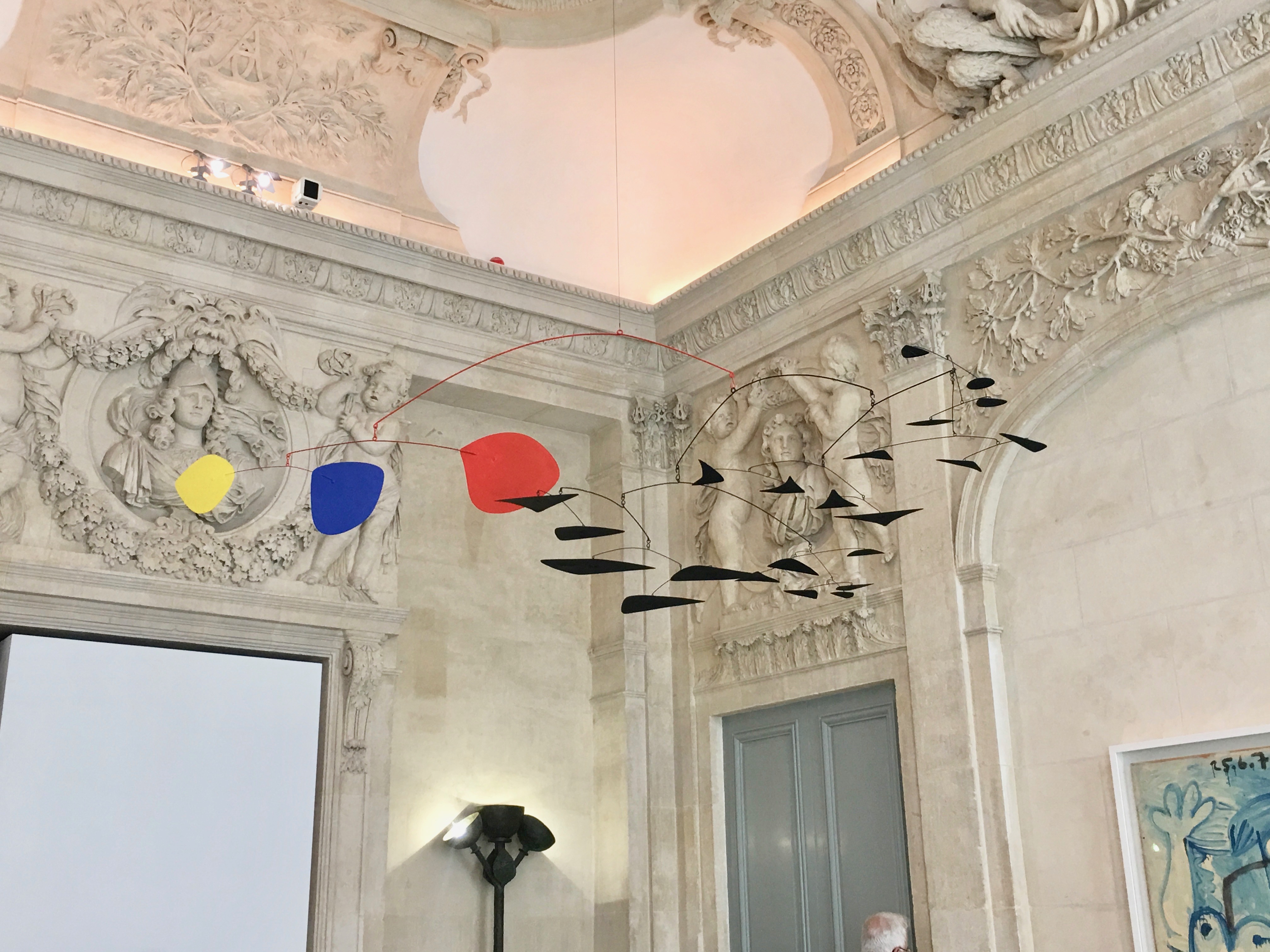
Mobile in the Jupiter Hall
Since it had turned to be a pretty nice day we decided to take a boat ride on the Seine. We had never done that before and were told if we wanted to see Notre Dame this was the best way to see it. We found a metro and amazingly our tickets worked!!! We headed over to get tickets and catch the boat at Metro Stop Alma-Marceau. Some of the highlights are below.
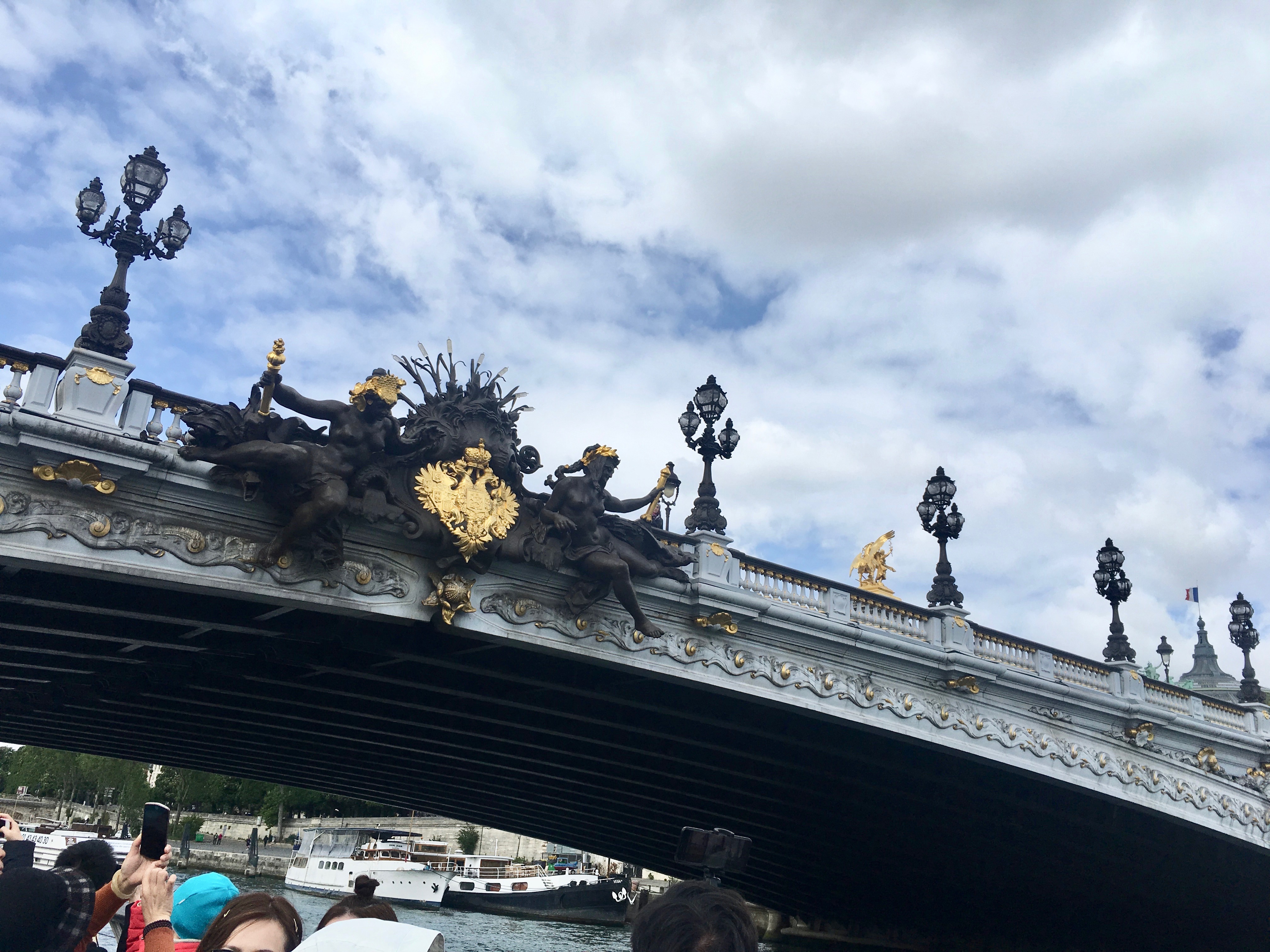
Bridge statuary 
It was a little chilly
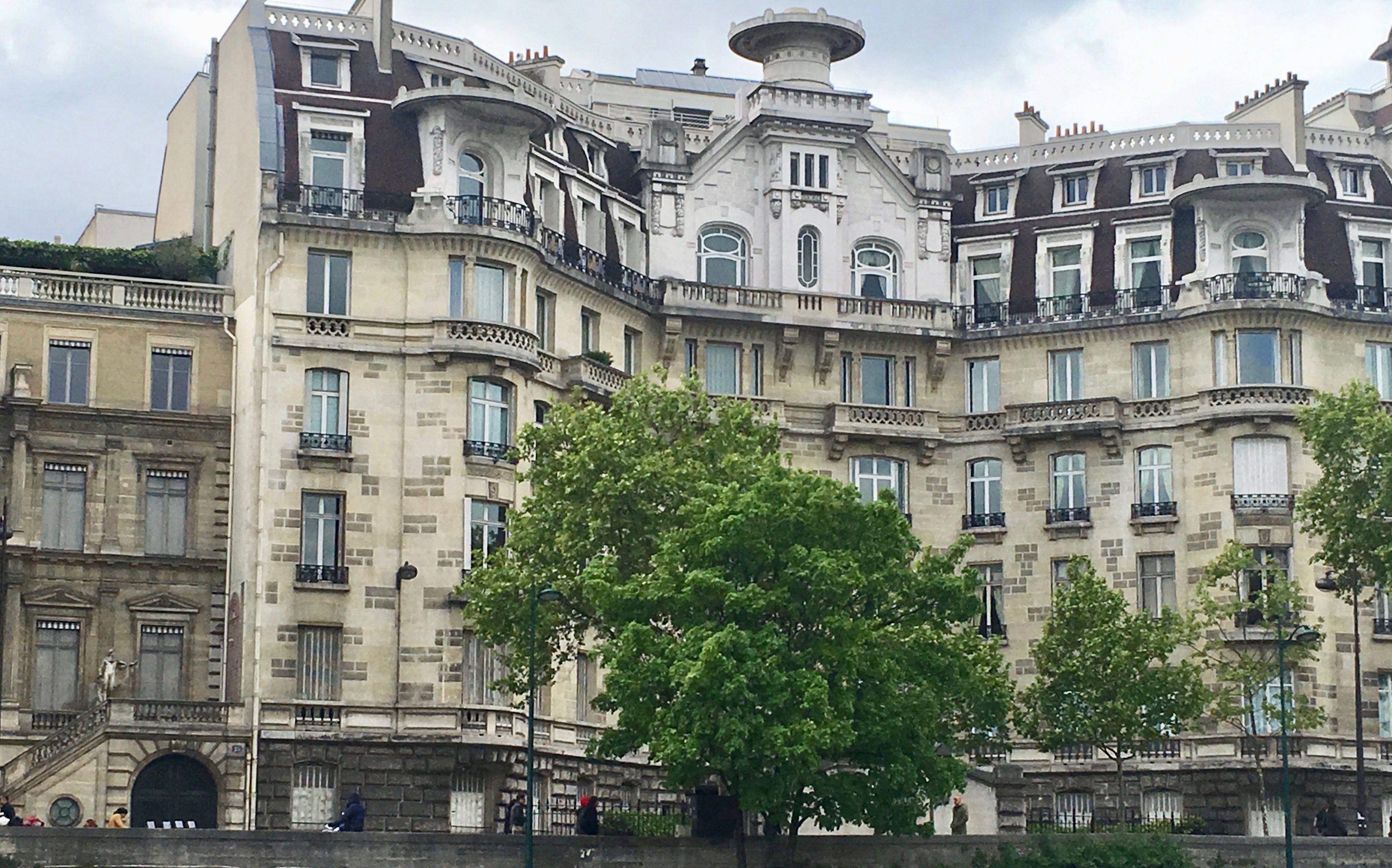
Apartments 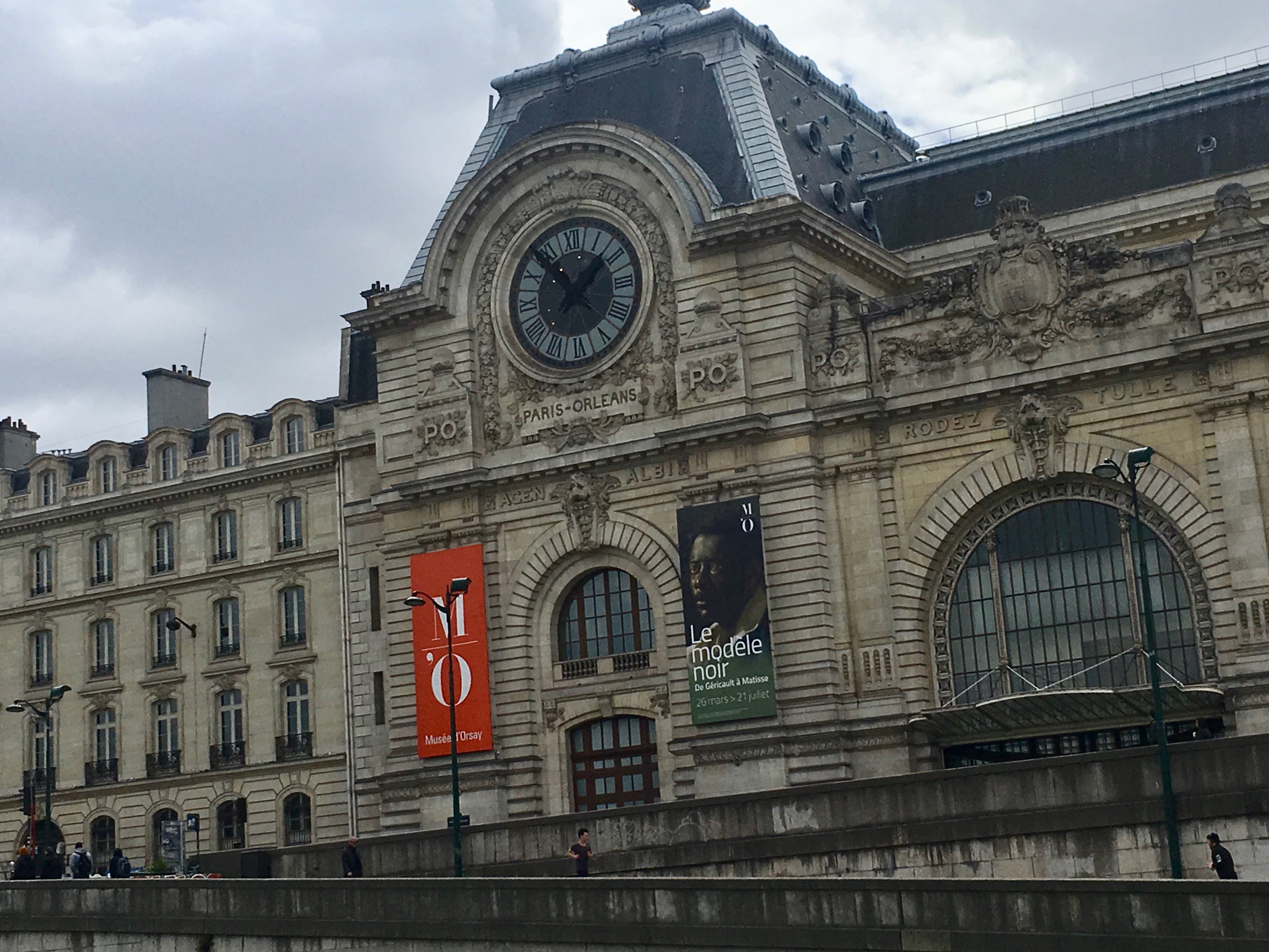
Musee d’Orsay 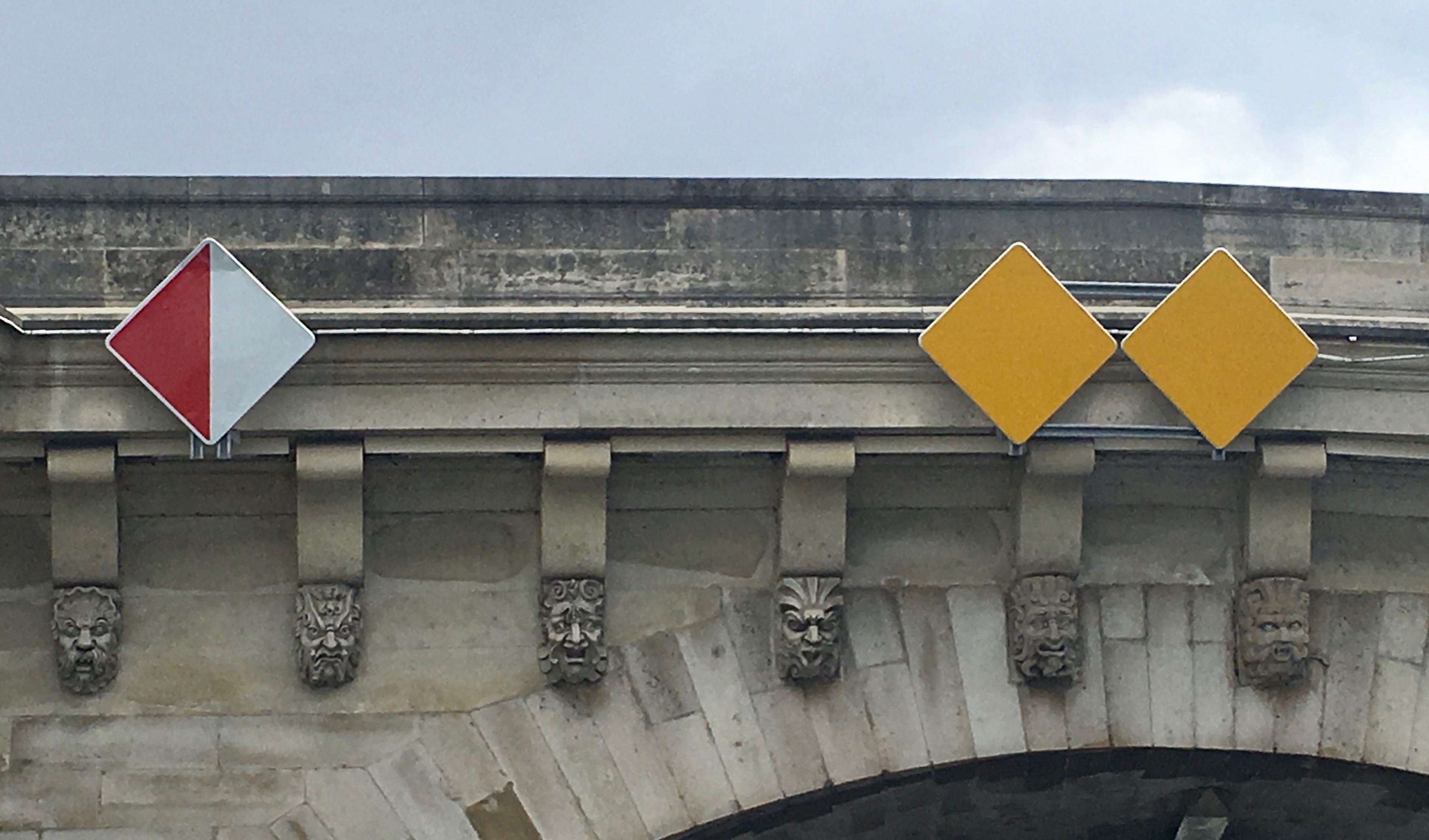
Interesting figures 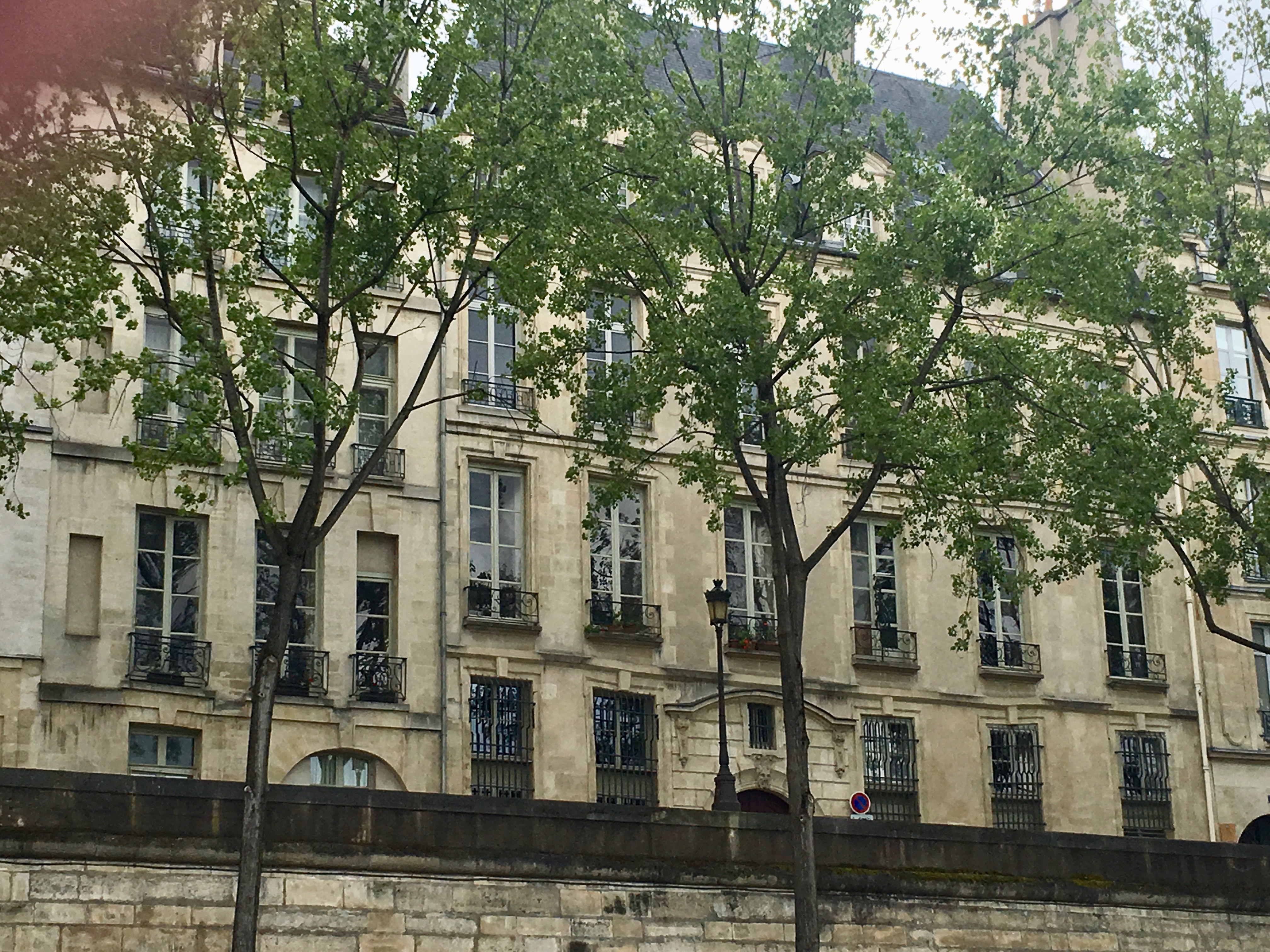
Beautiful apartments 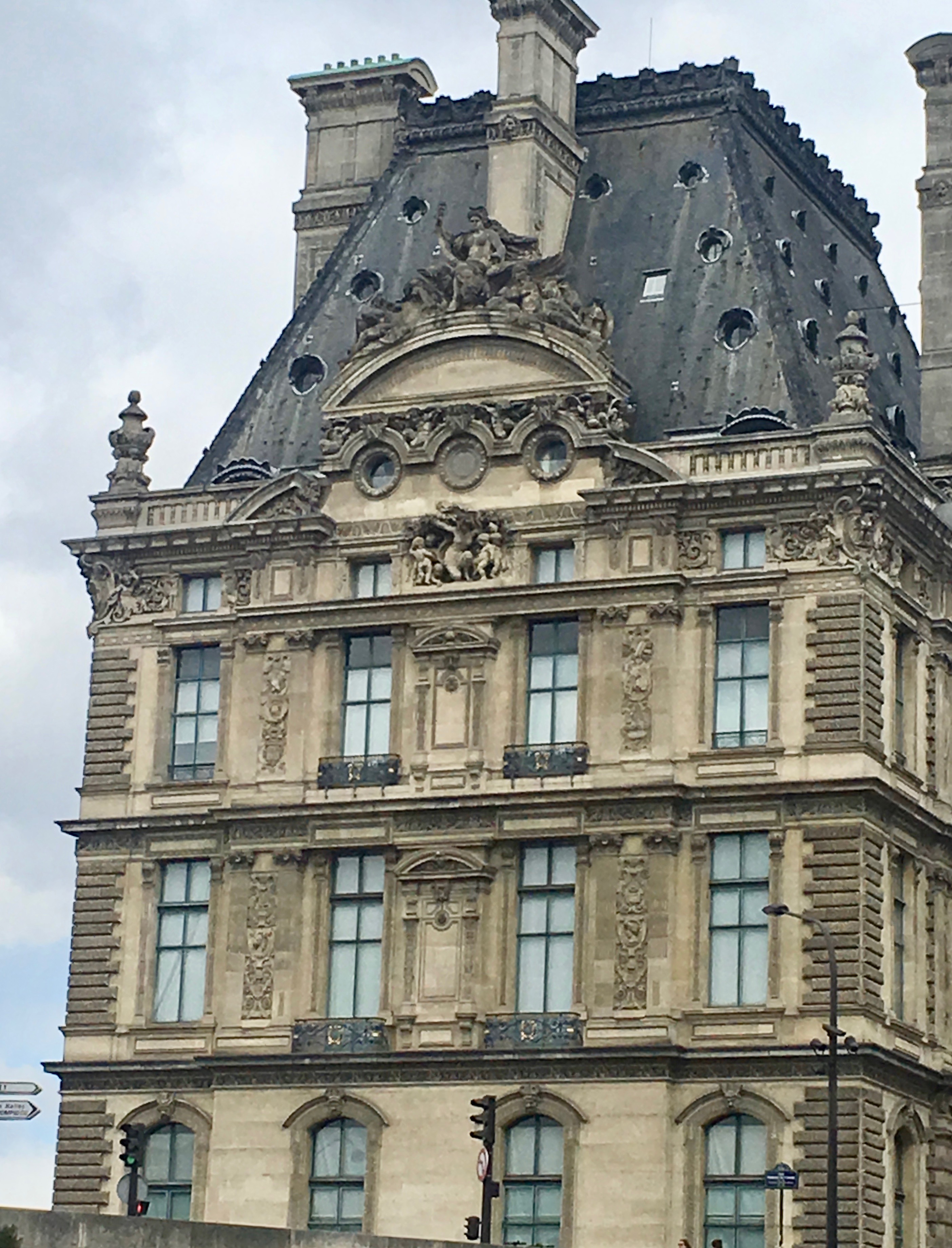
Beautiful building
We got to see Notre Dame. As you may recall on Monday, April 15th we were with Megan, Julien and their friend the night Notre Dame caught fire (See Day 5). The towers were built in the 12 – 13 century and the spire that burned was build in the 19th century. Below is a picture I found of Notre Dame before the fire and photos I took while on the boat cruise.
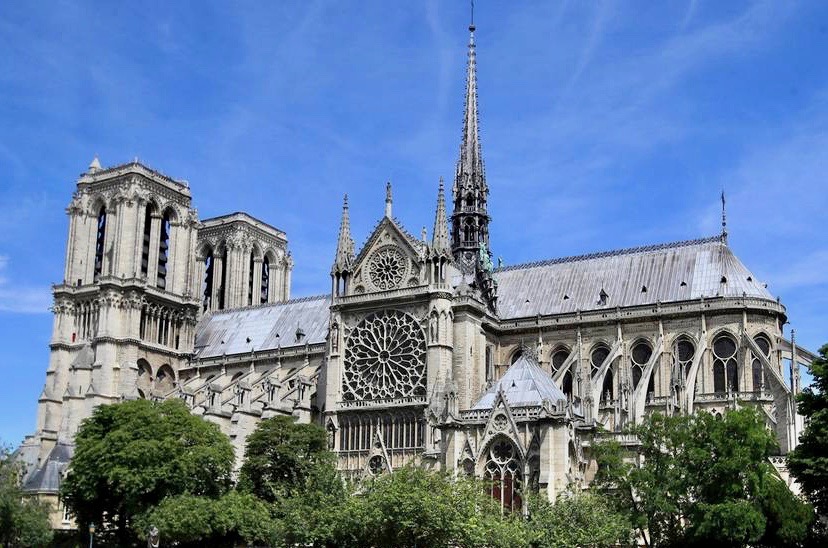
Before 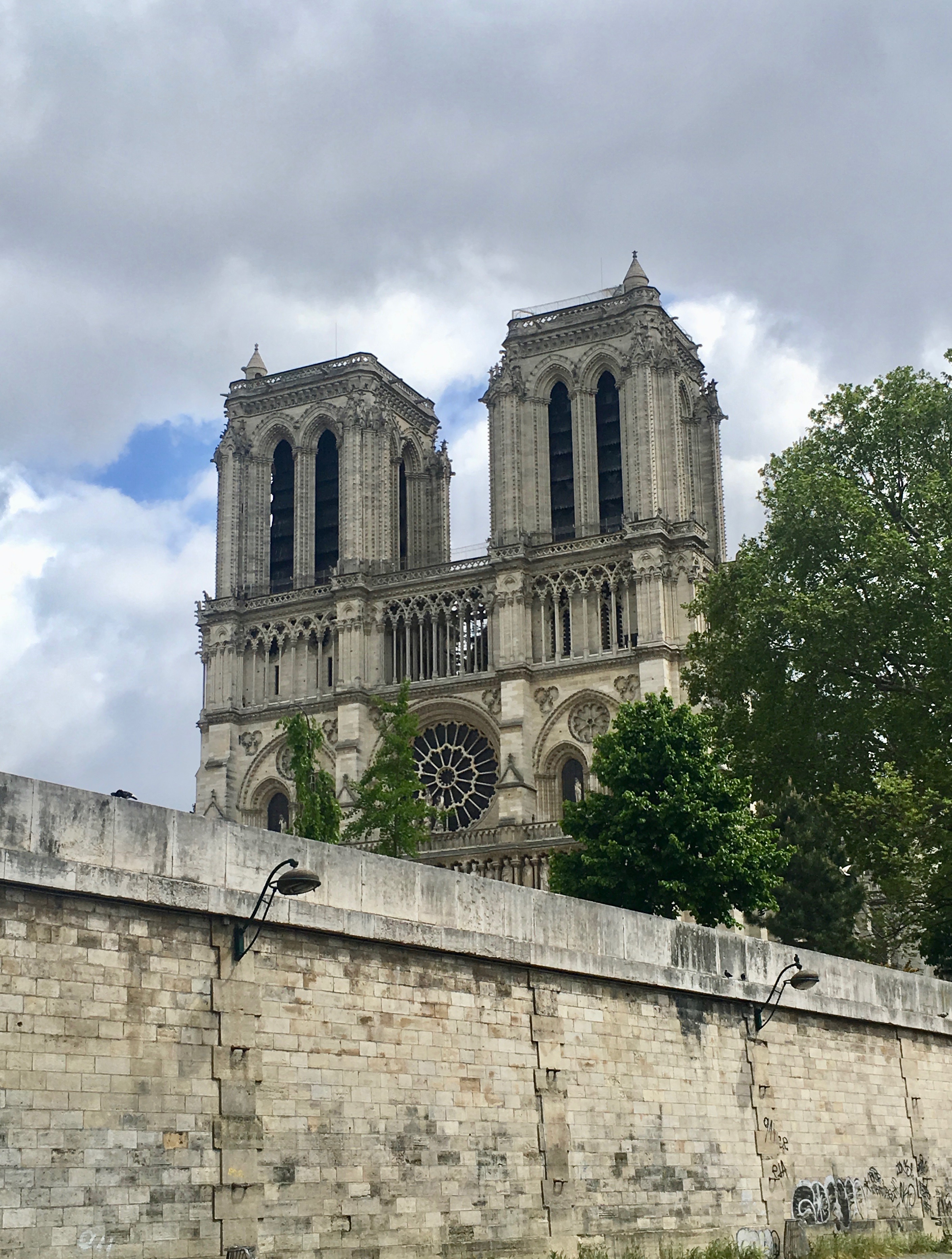
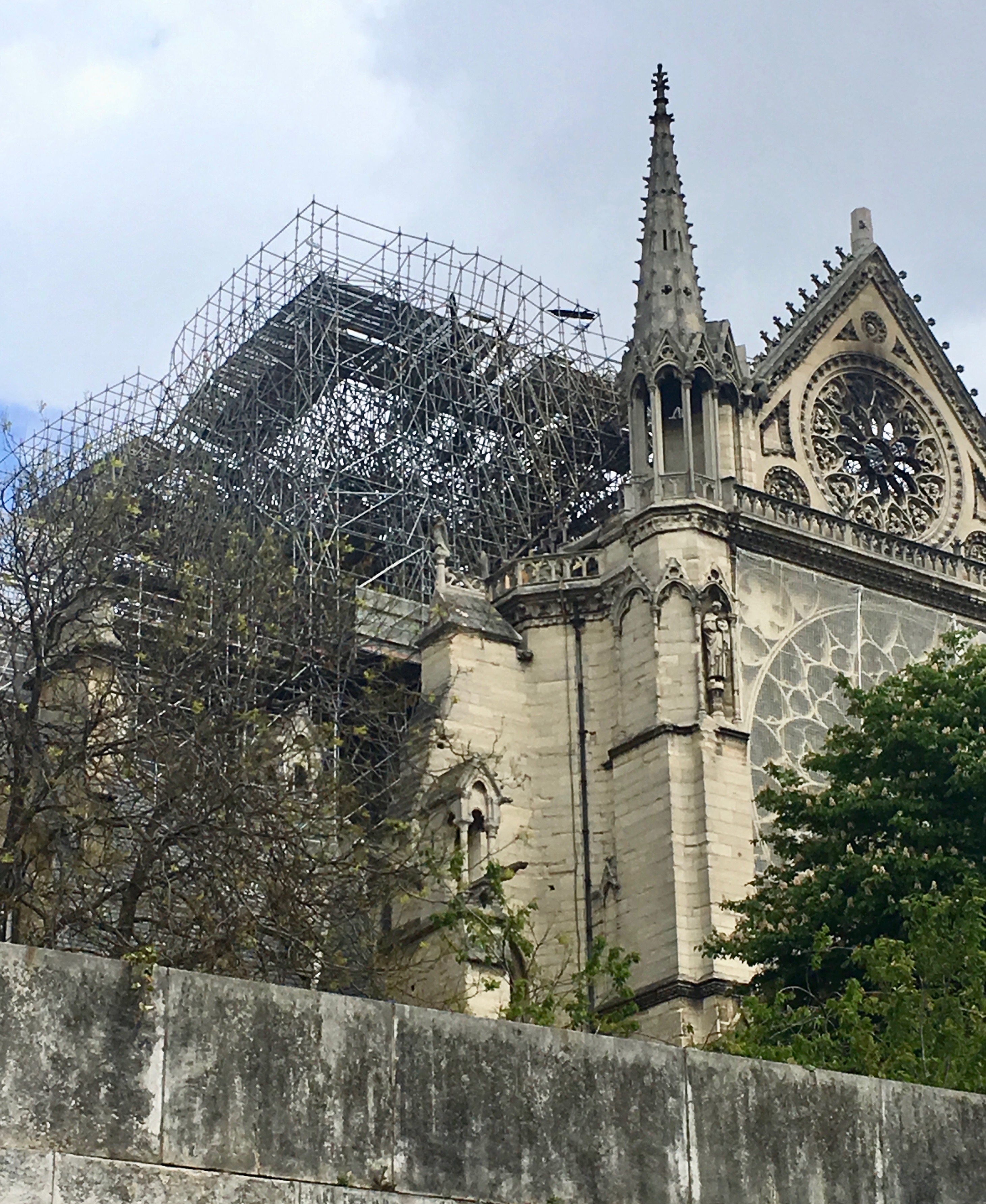
Note the charred area above one of the rose windows 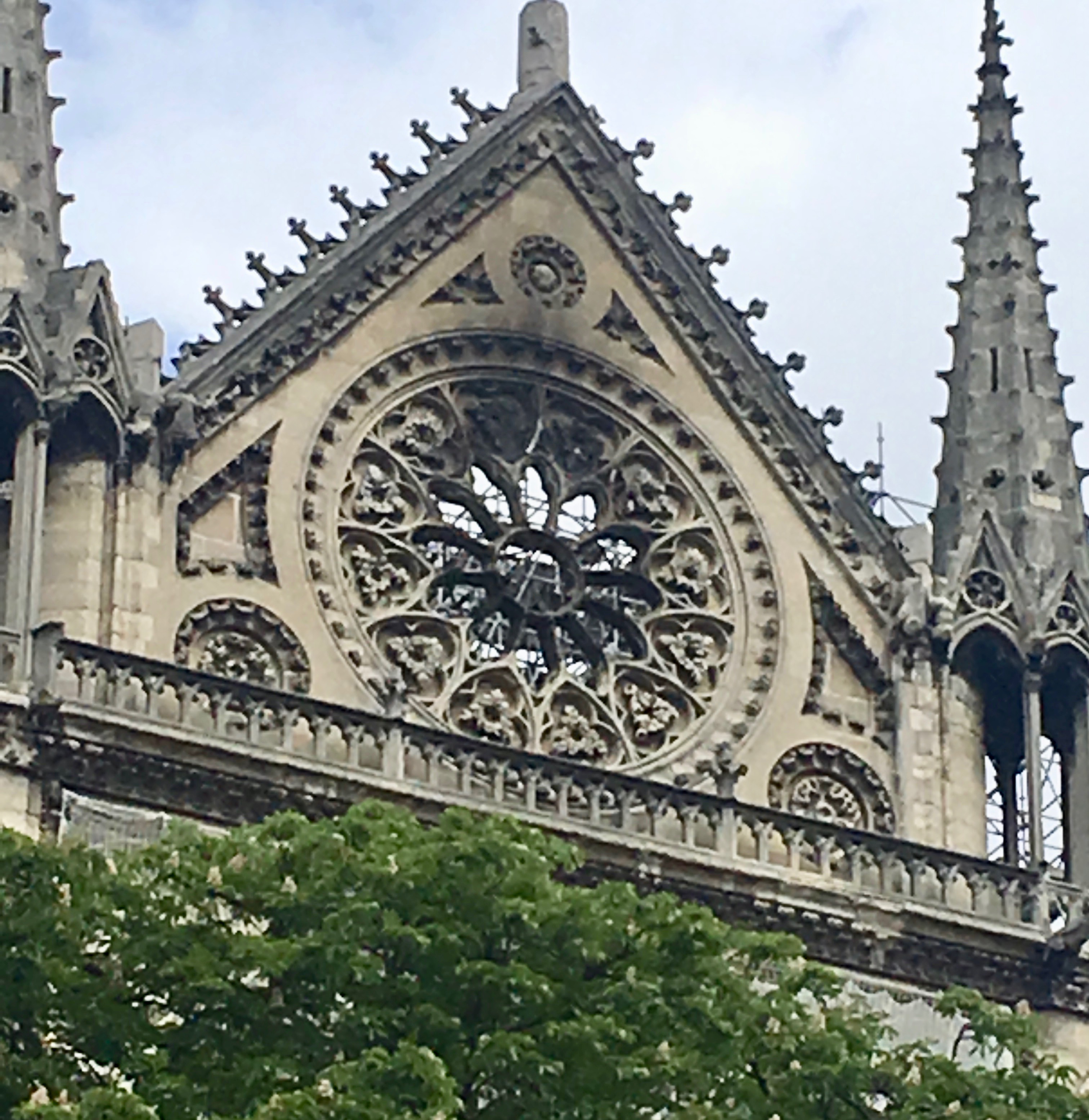
Charred area 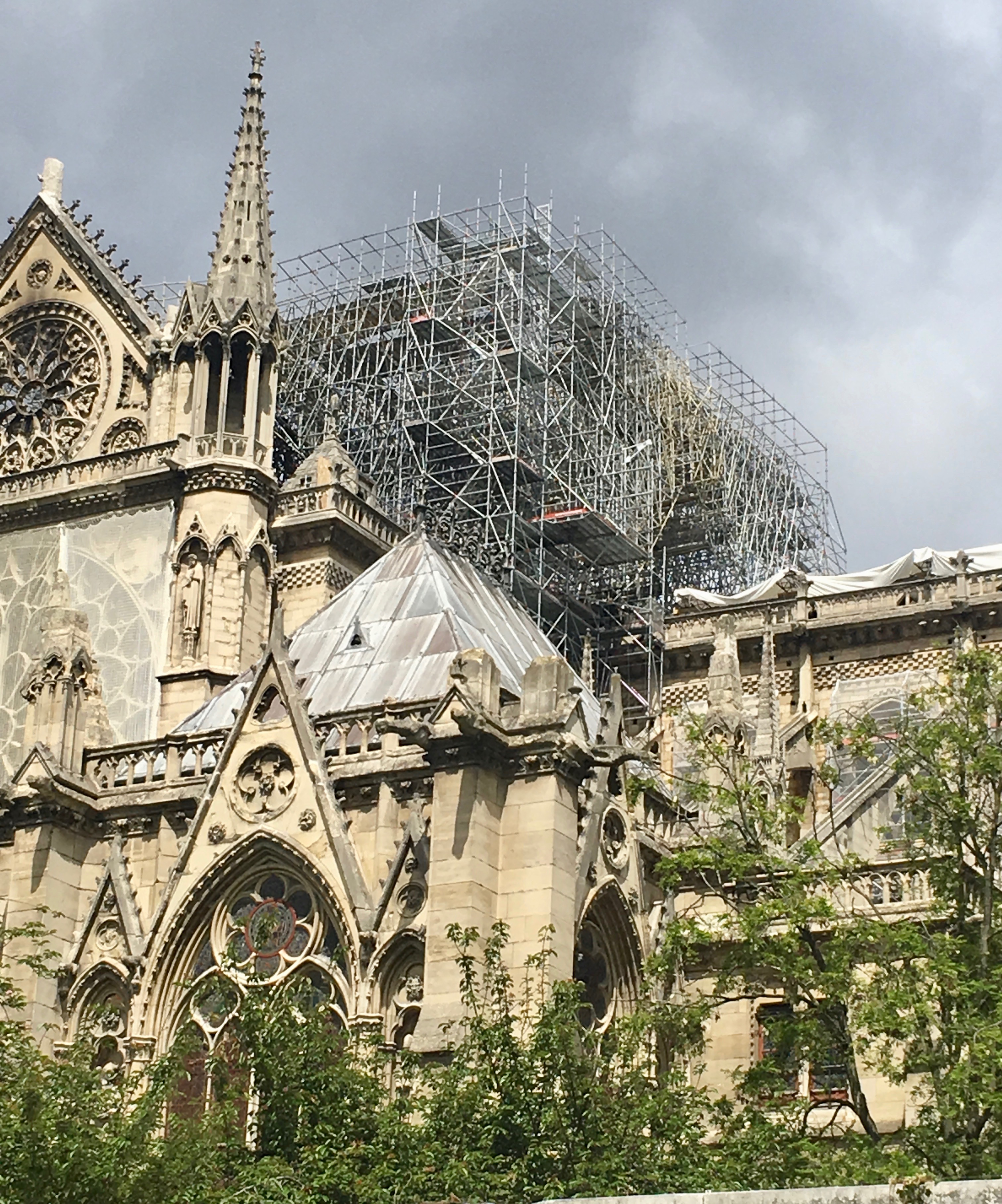
Scaffolding 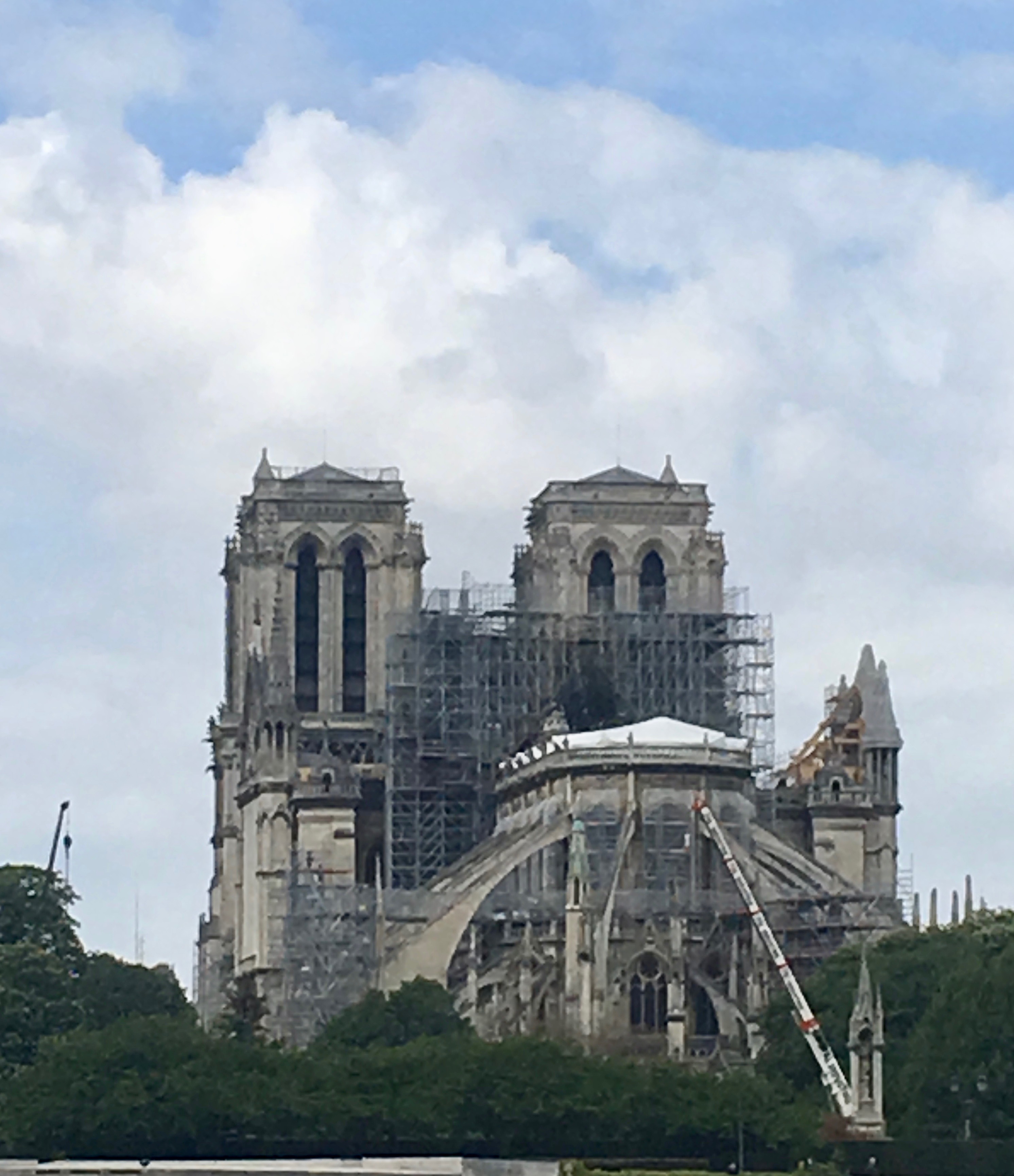
From the back where the tower would have been.
More pictures from the tour.
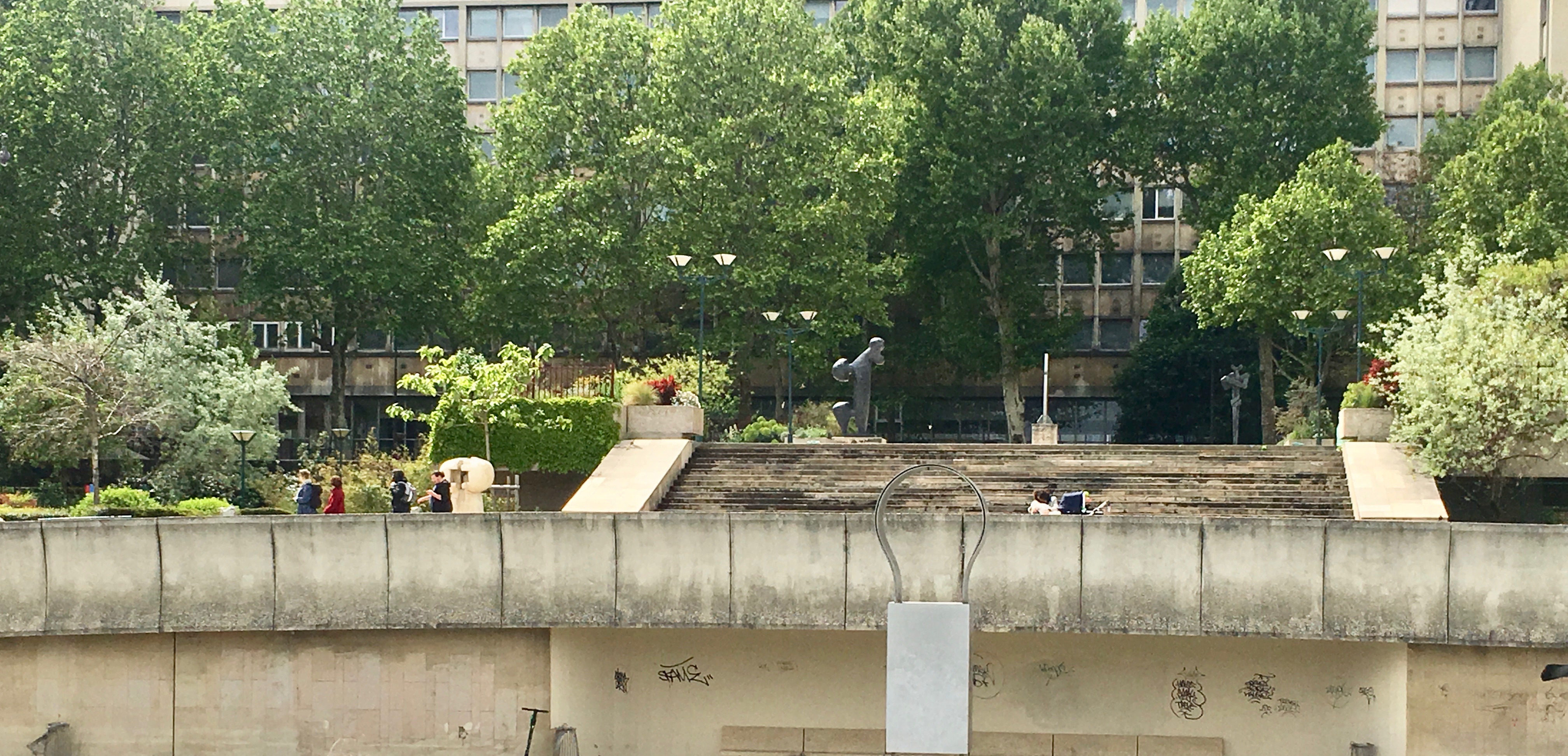
Steps and park along the way 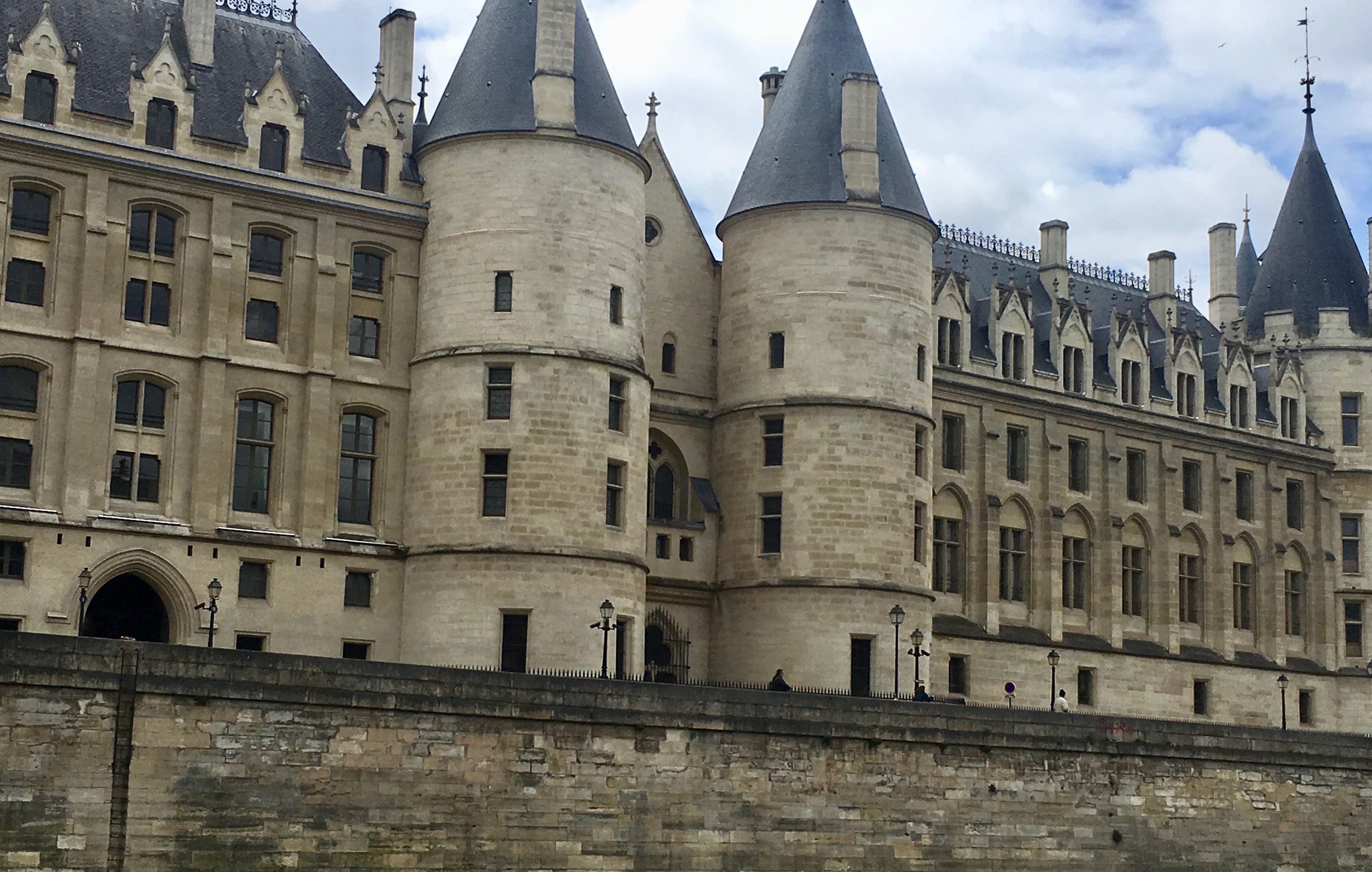
Conciergerie – Prison during the Revolution and later 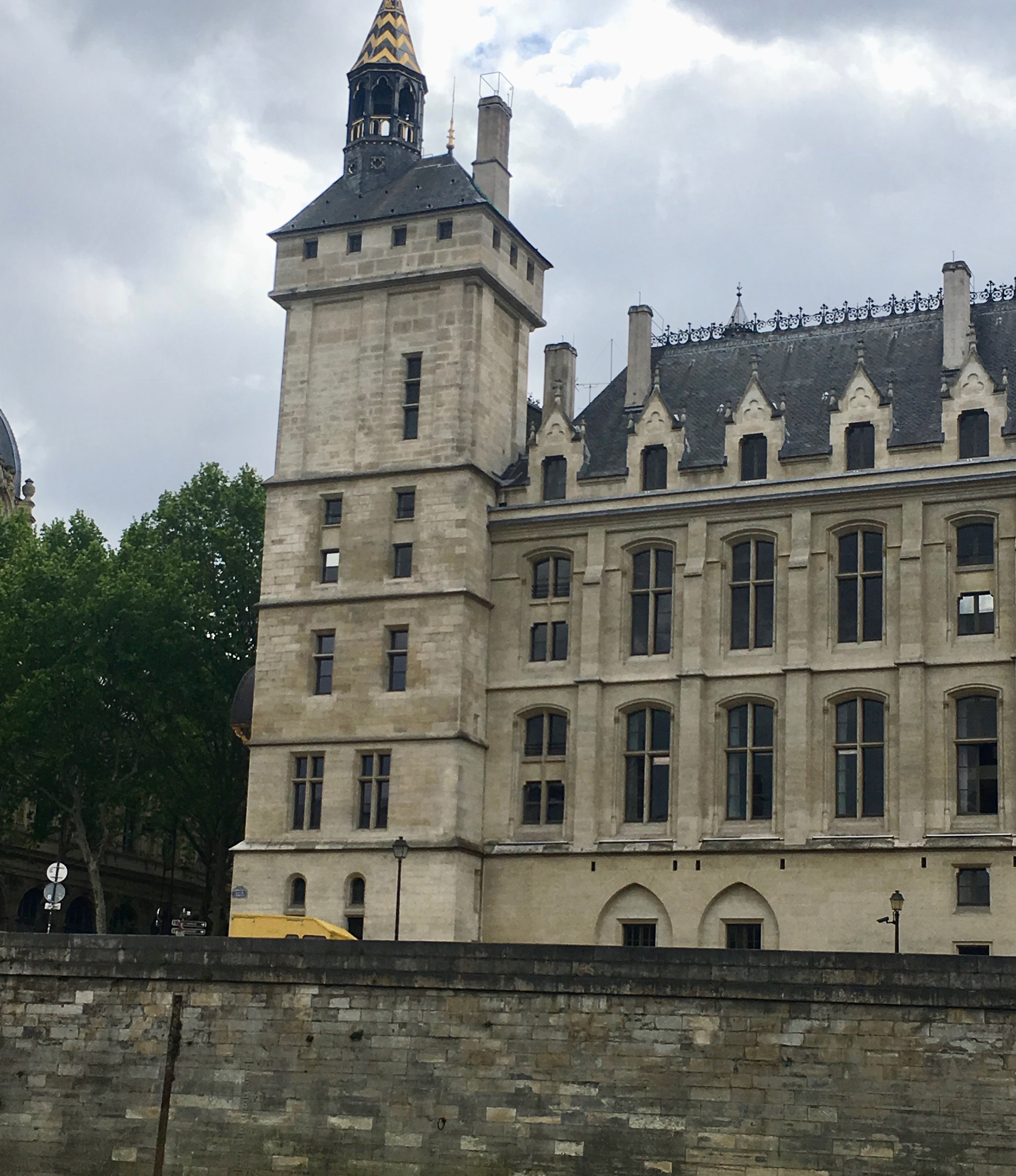
Conciergerie Tower 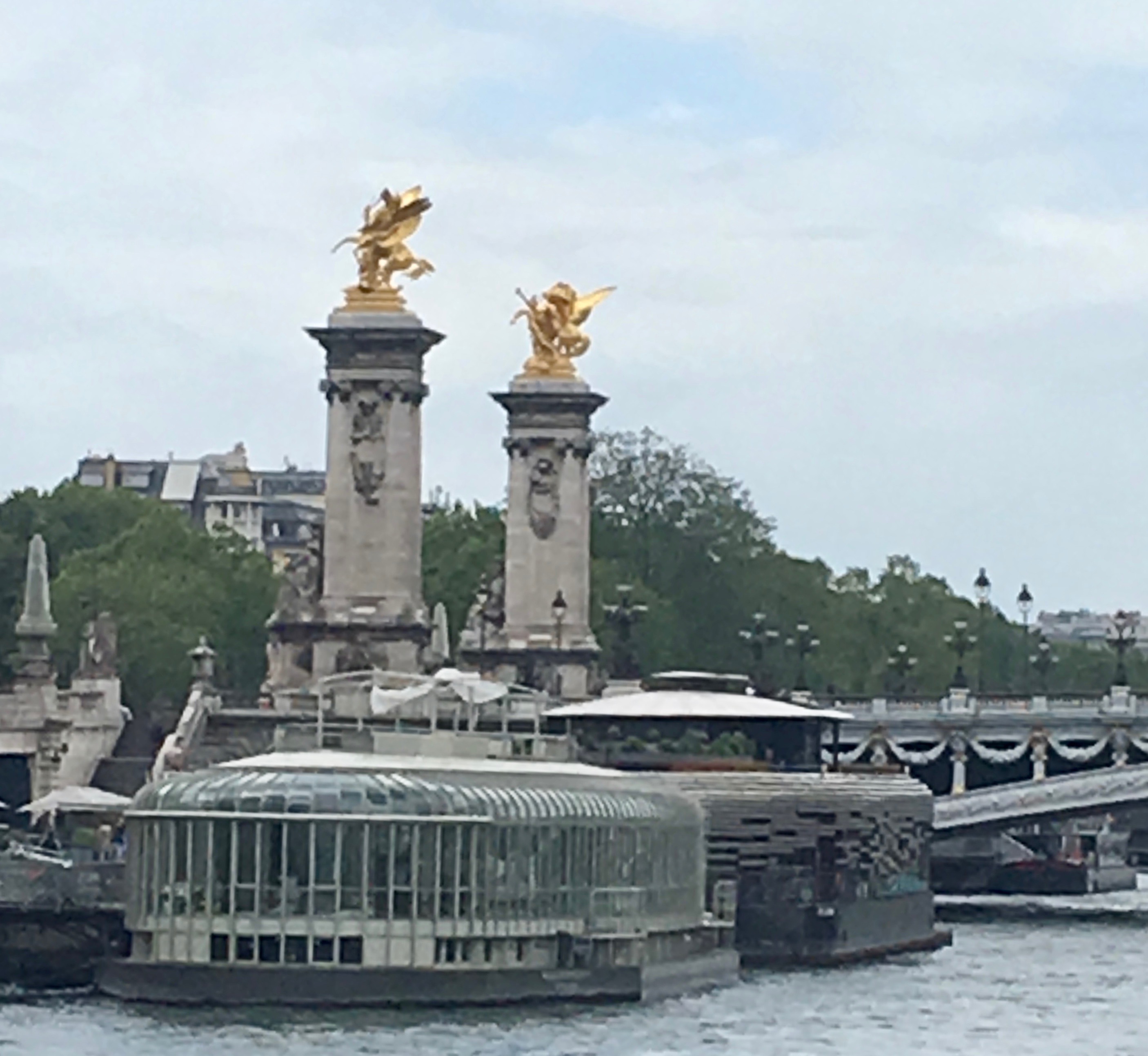
Pont Alexandre III 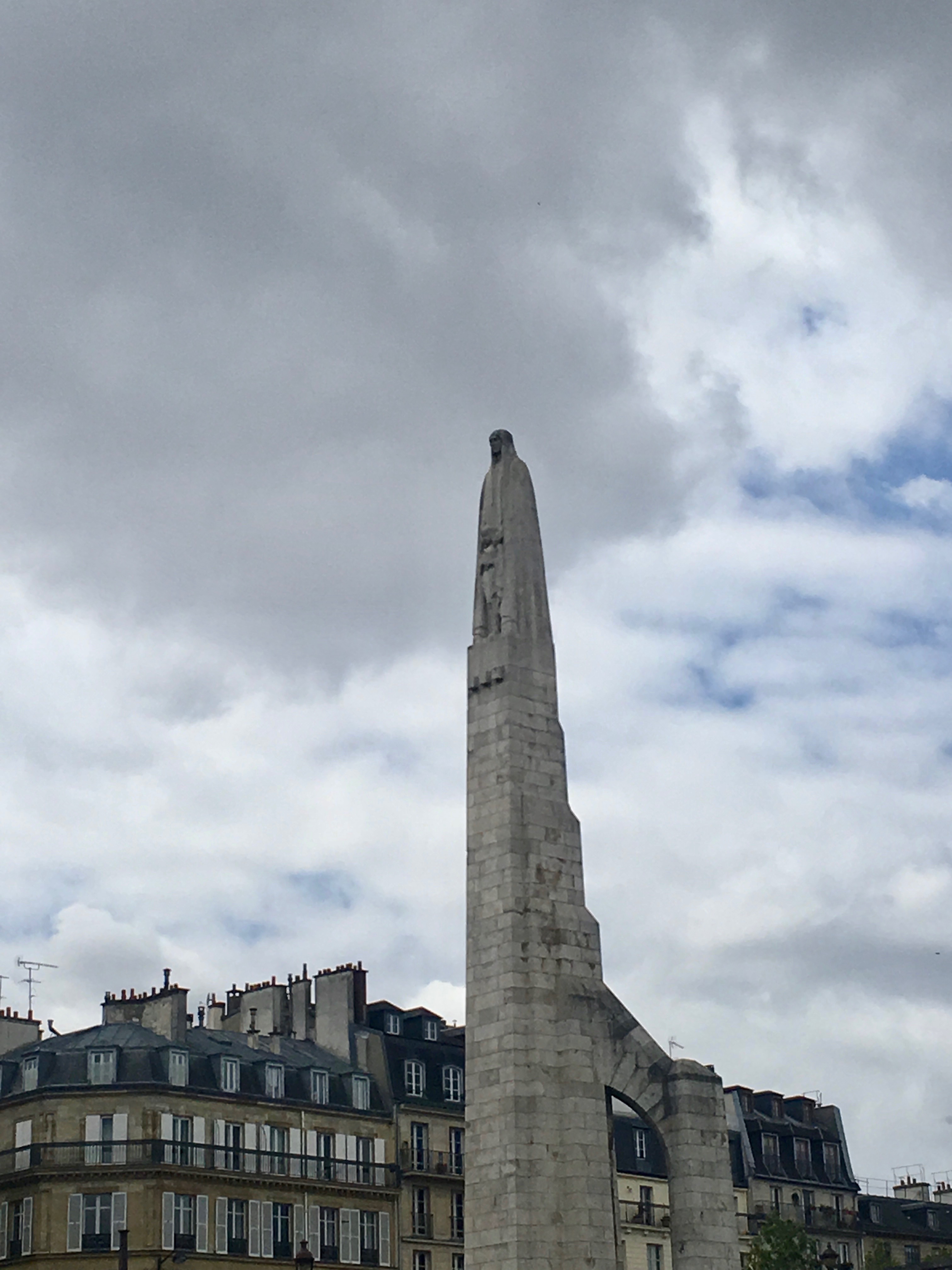
Pont de la Tournelle – St. Genevieve the Patron Saint of Paris 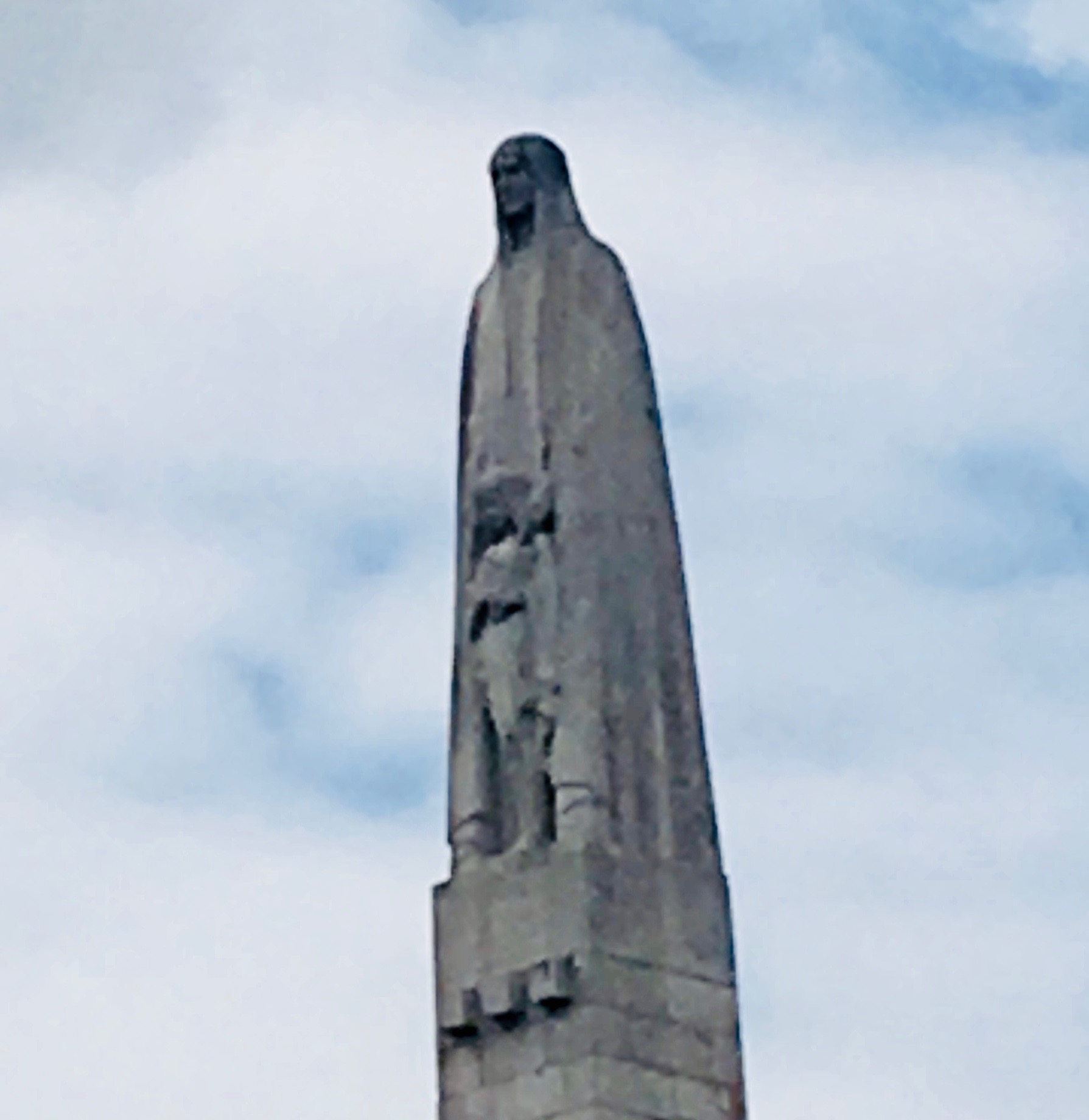
St. Genevieve protecting a child 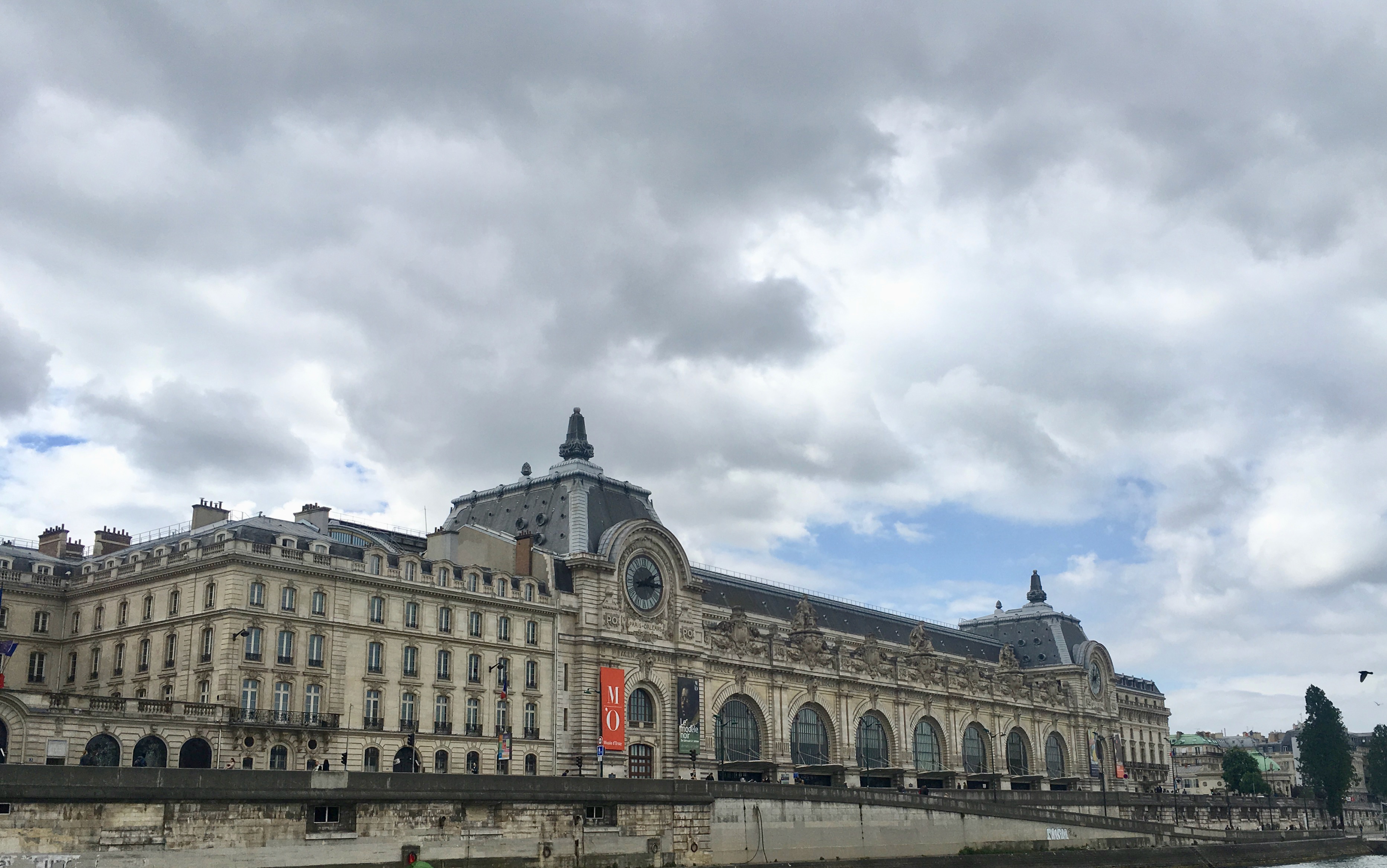
Musee d’Orsay 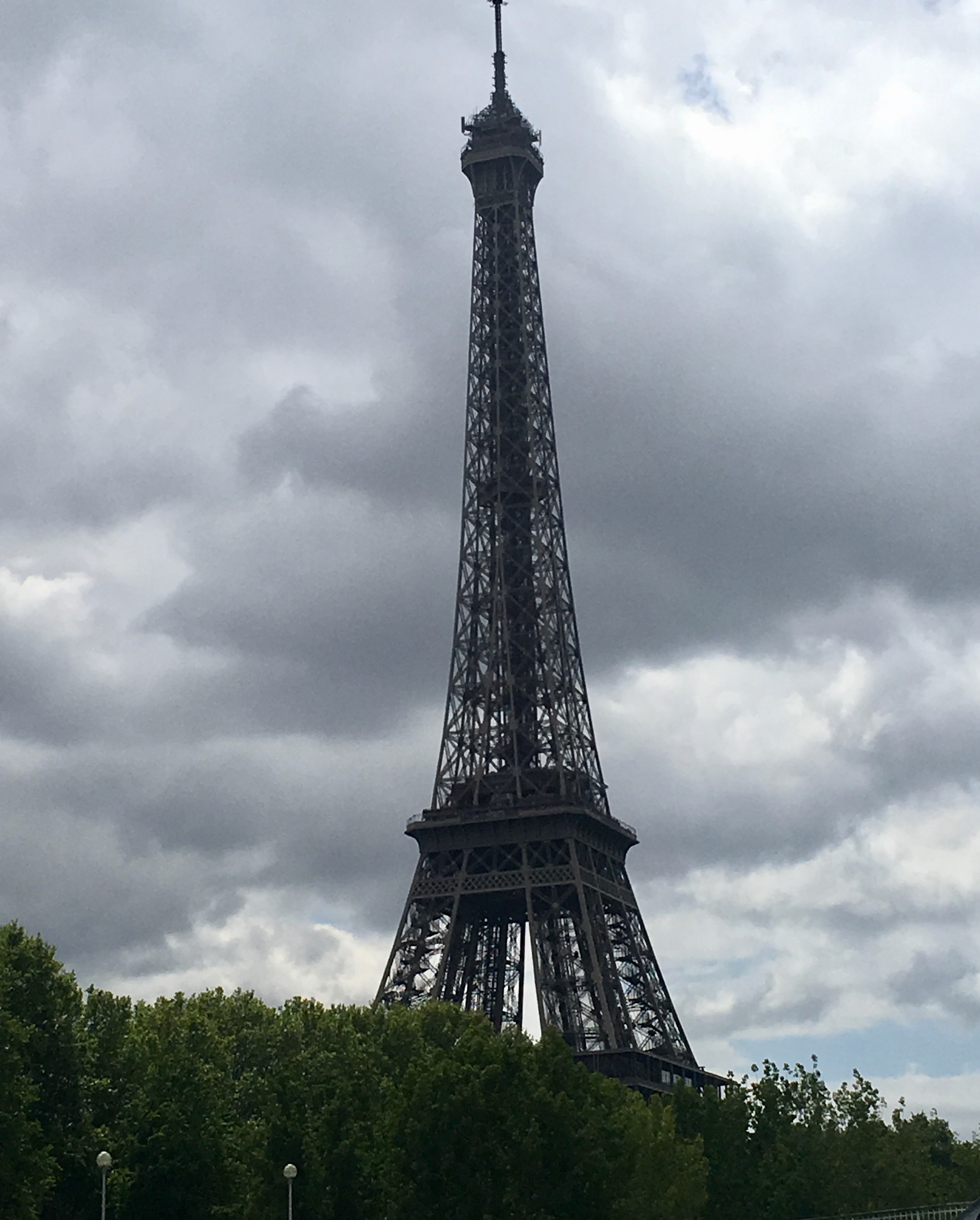
Eiffel Tower 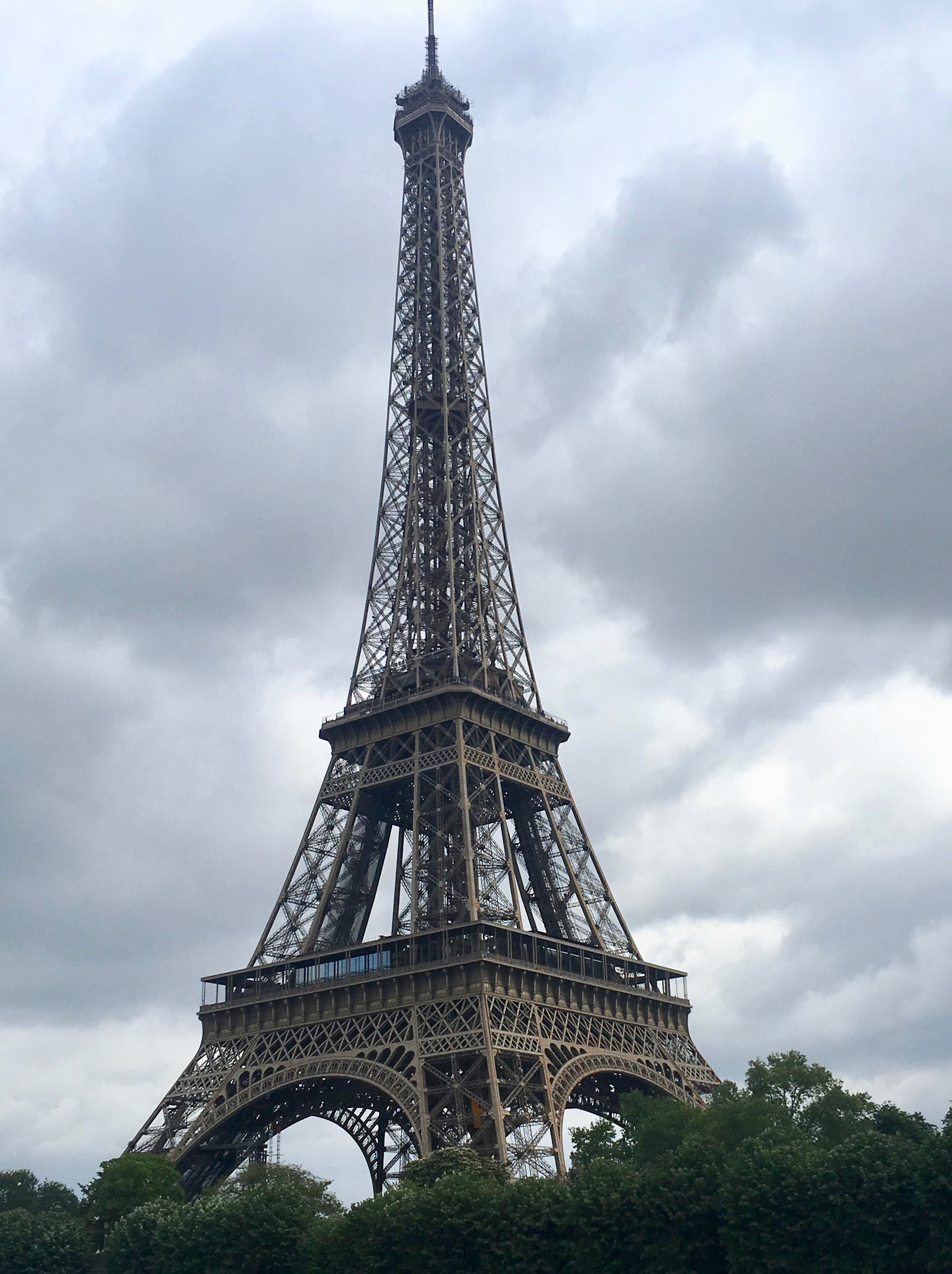
Eiffel Tower 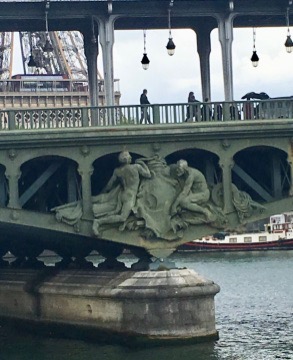
Statues under a pedestrian bridge 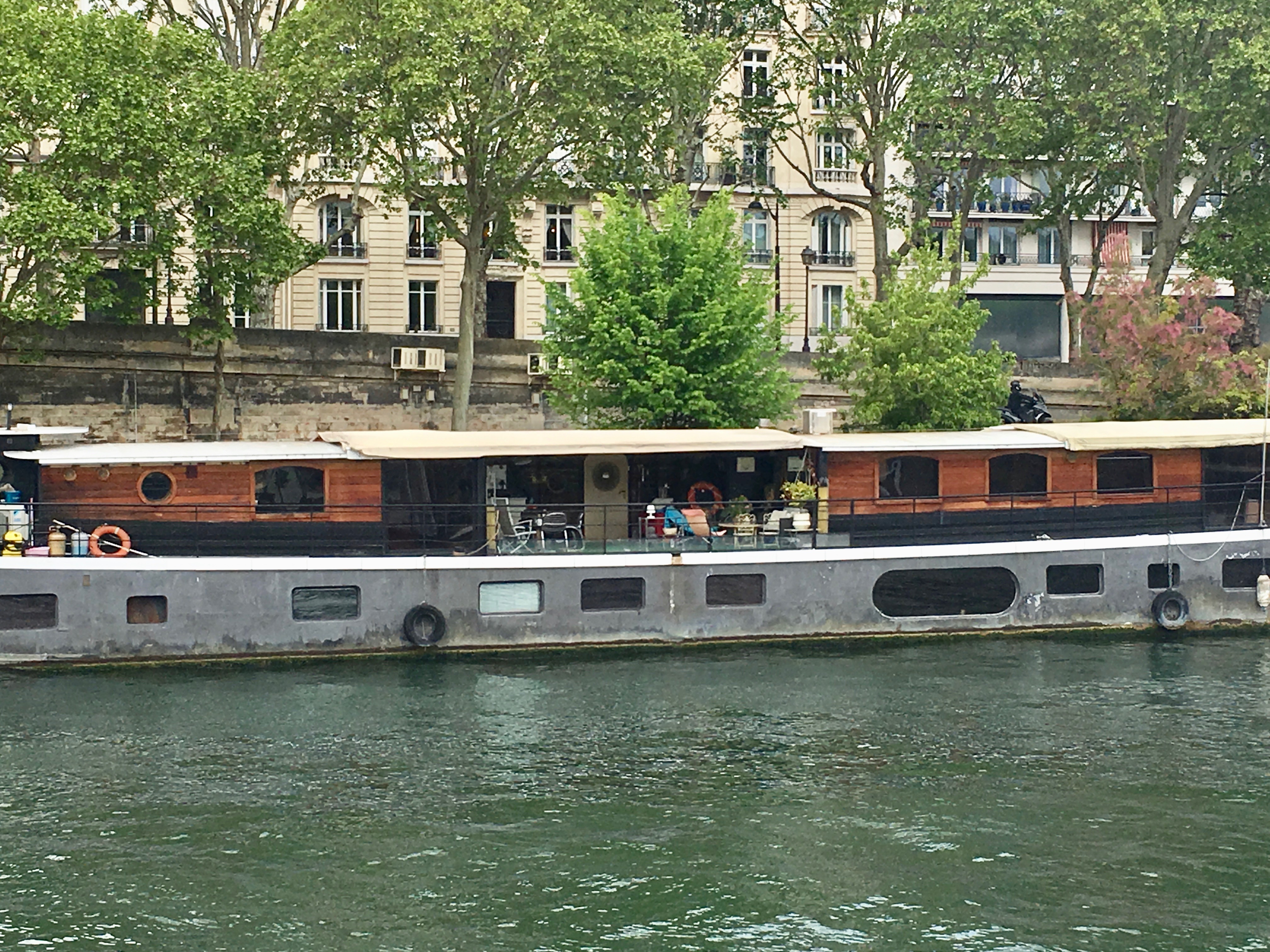
Houseboat 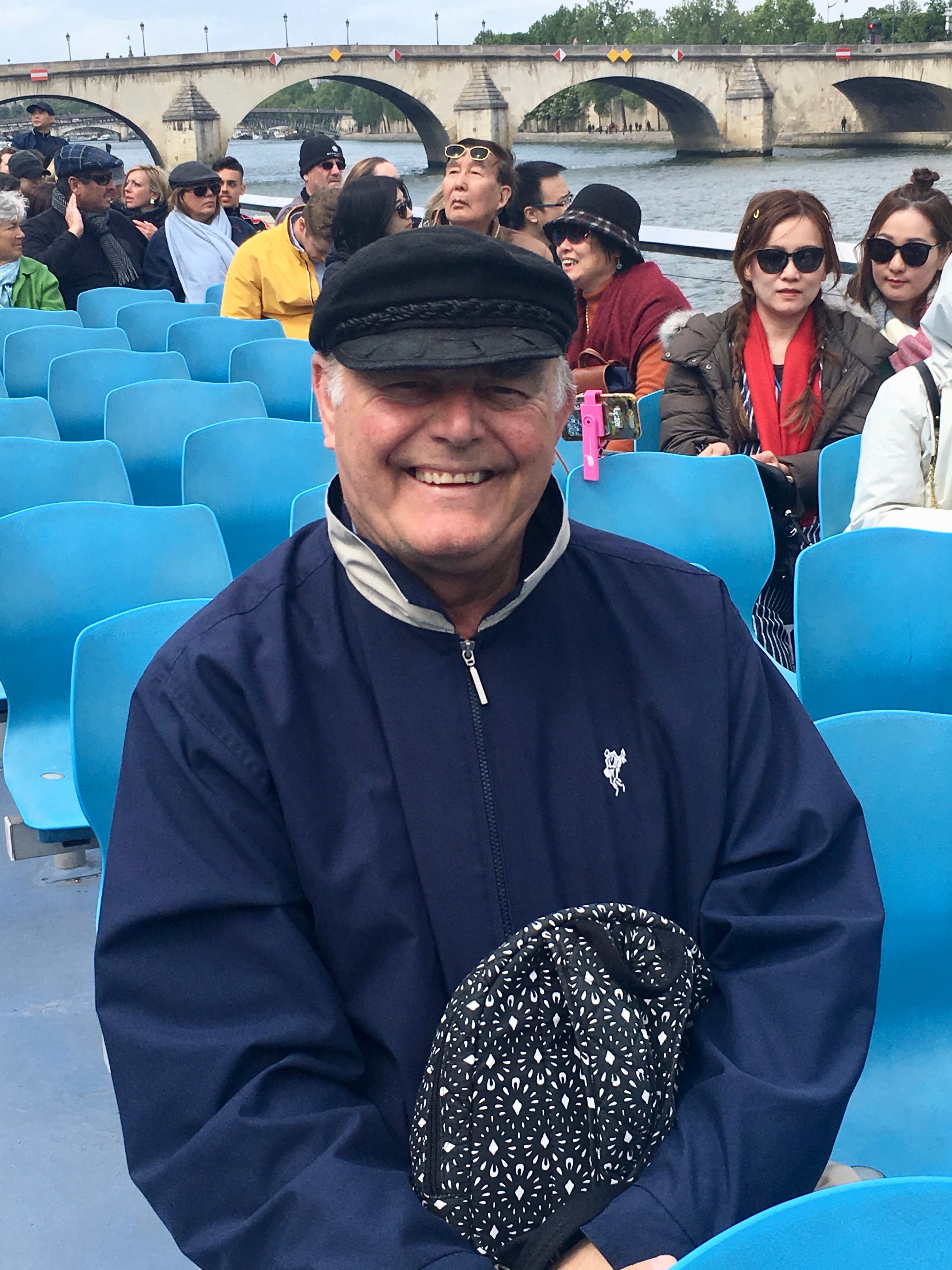
Scott
It was still early so we decided to head back to the Marais and go to the Shoah Memorial Museum. The Shoah Memorial Museum has been open since 2005. It incorporates the 1956 Memorial to the Unknown Jewish Martyr, the facades, courtyard and crypt of which have been preserved; and the Centre of Contemporary Jewish Documentation created in 1943.
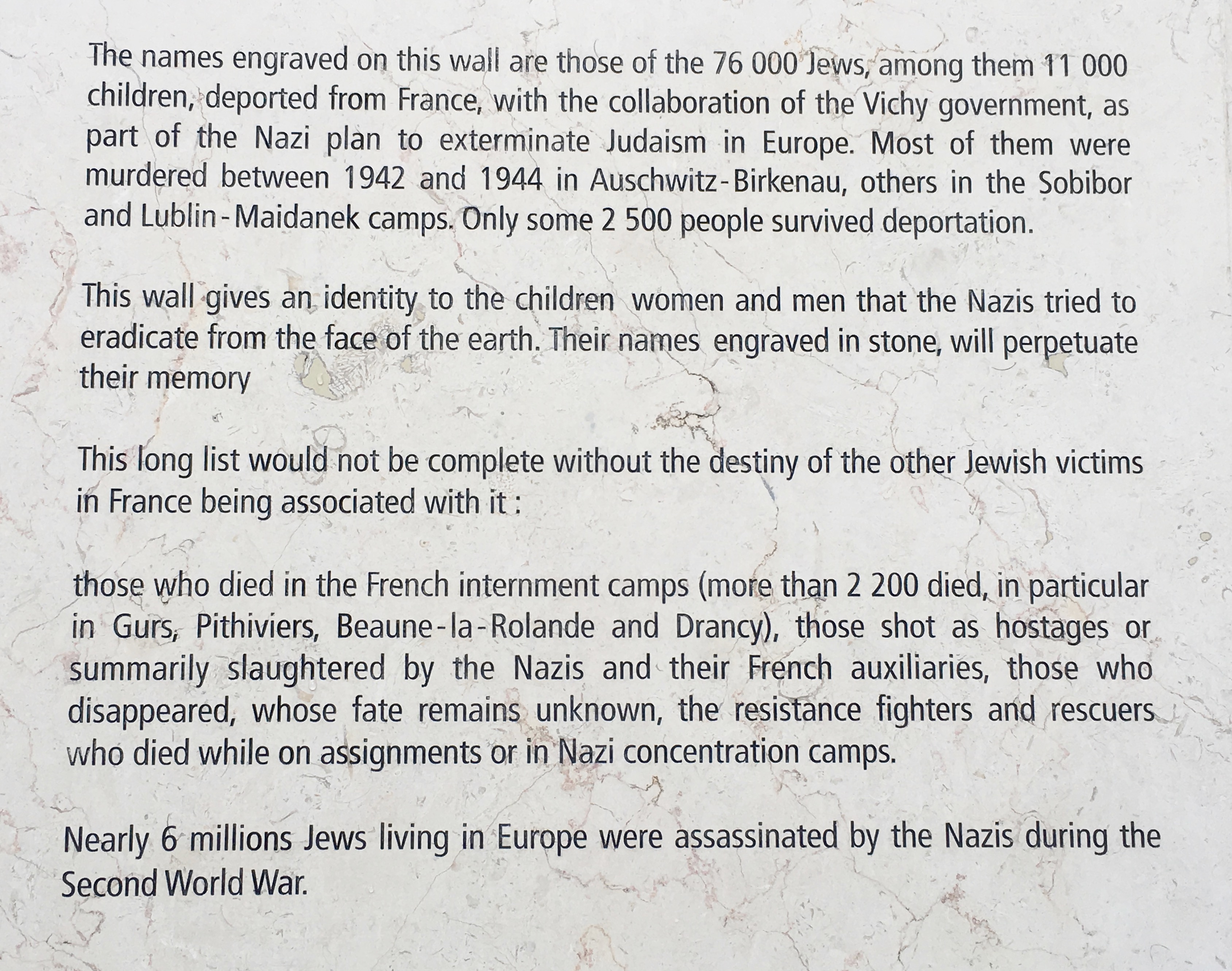
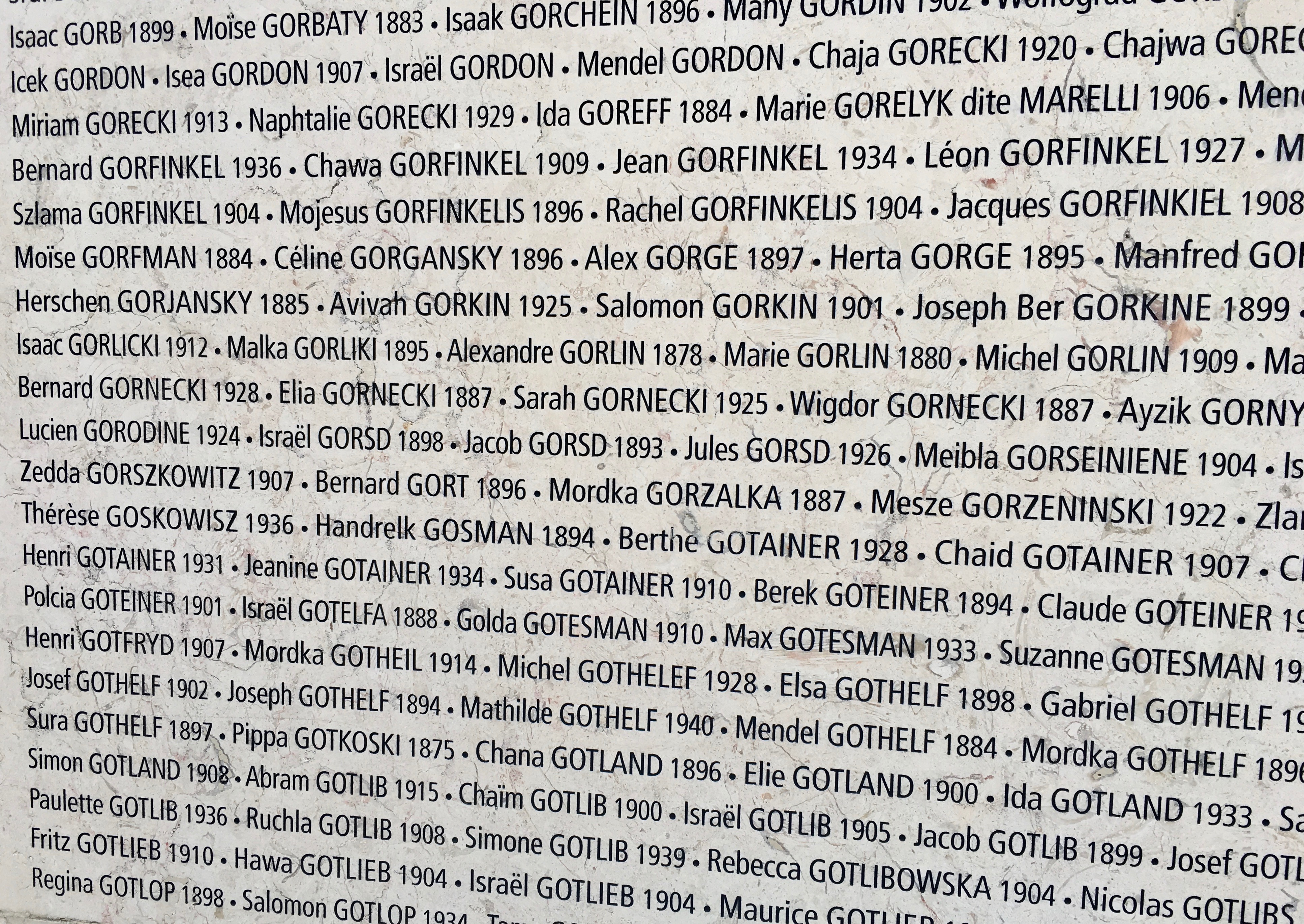
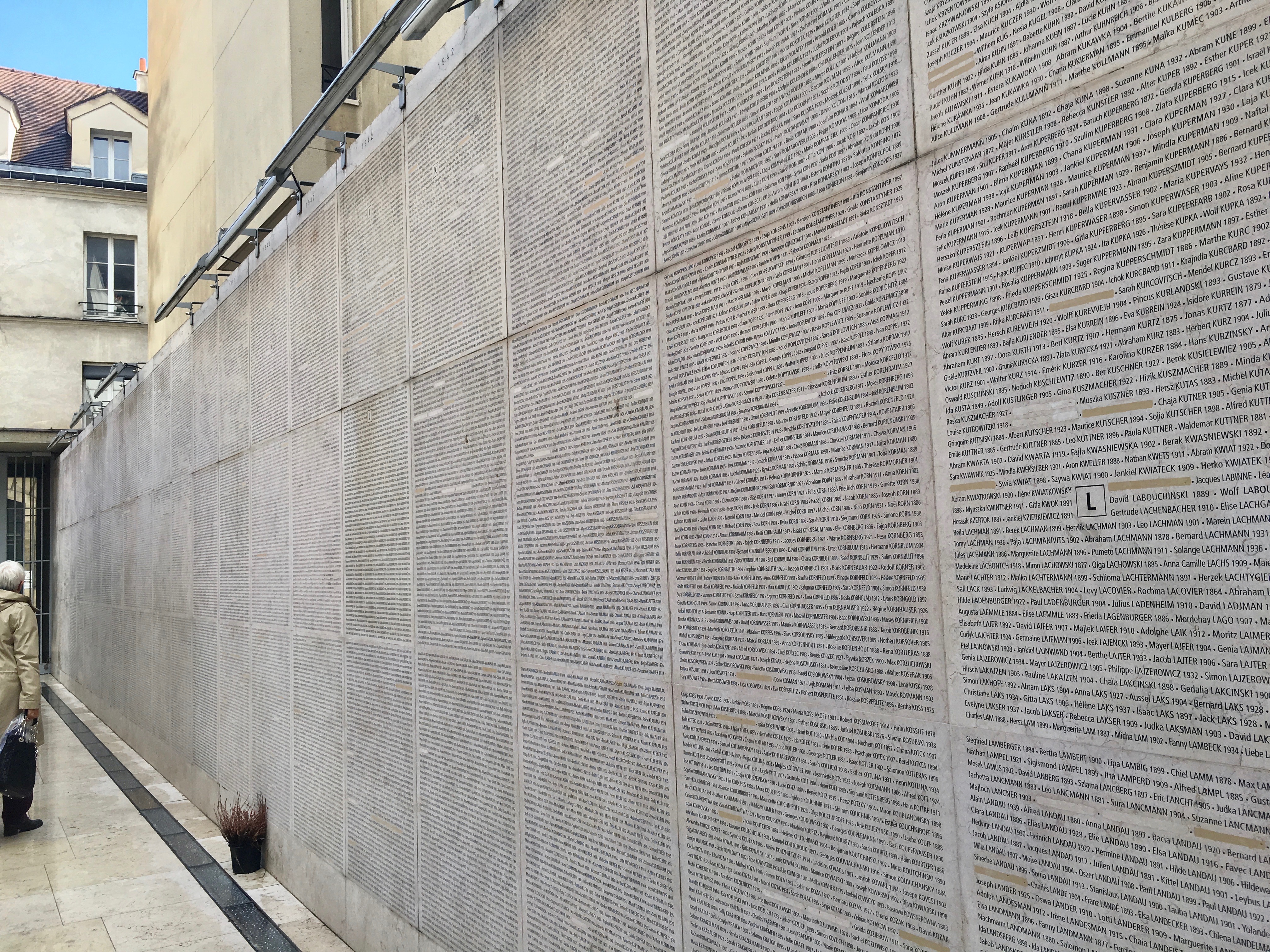
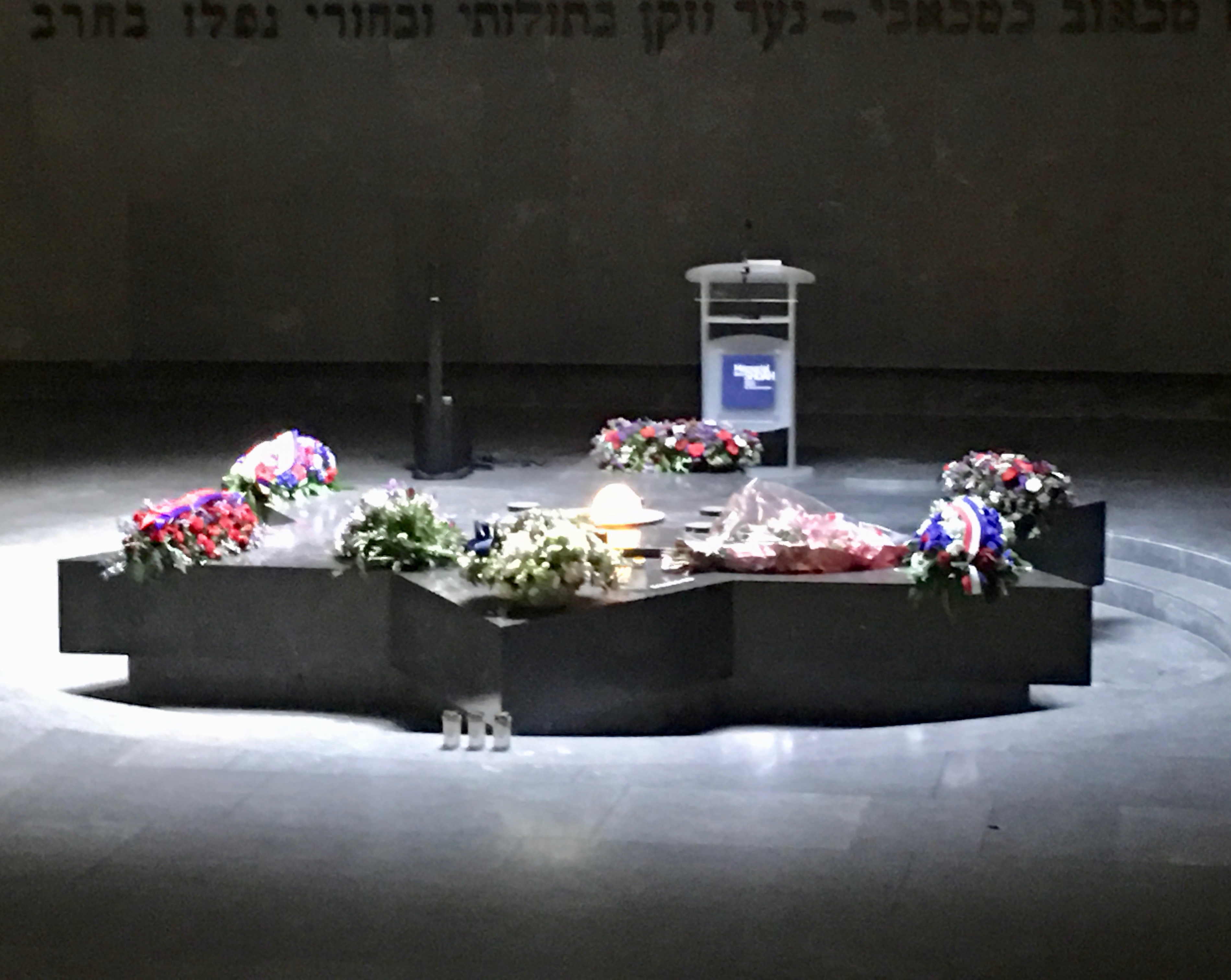
The black marble Star of David in the crypt beneath the forecourt is the symbolic tomb of six million Jews who do not have a grave.
Gathered from the death camps and the Warsaw Ghetto’s ruins, the ashes of Jews are mingled in this place. Grand Rabbi Jacob Kaplan buried them, with soil from Israel, on February 24, 1957 in accordance with Jewish tradition.
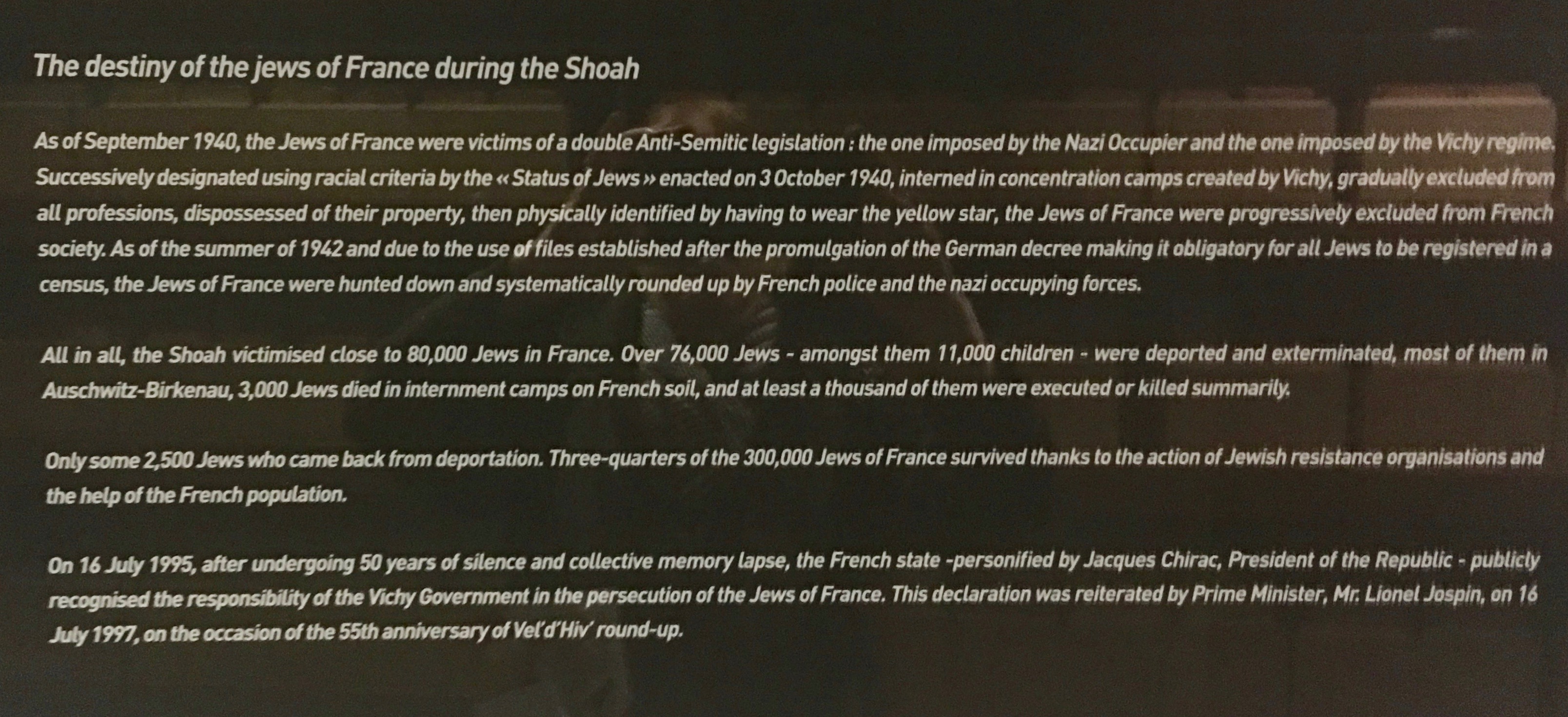
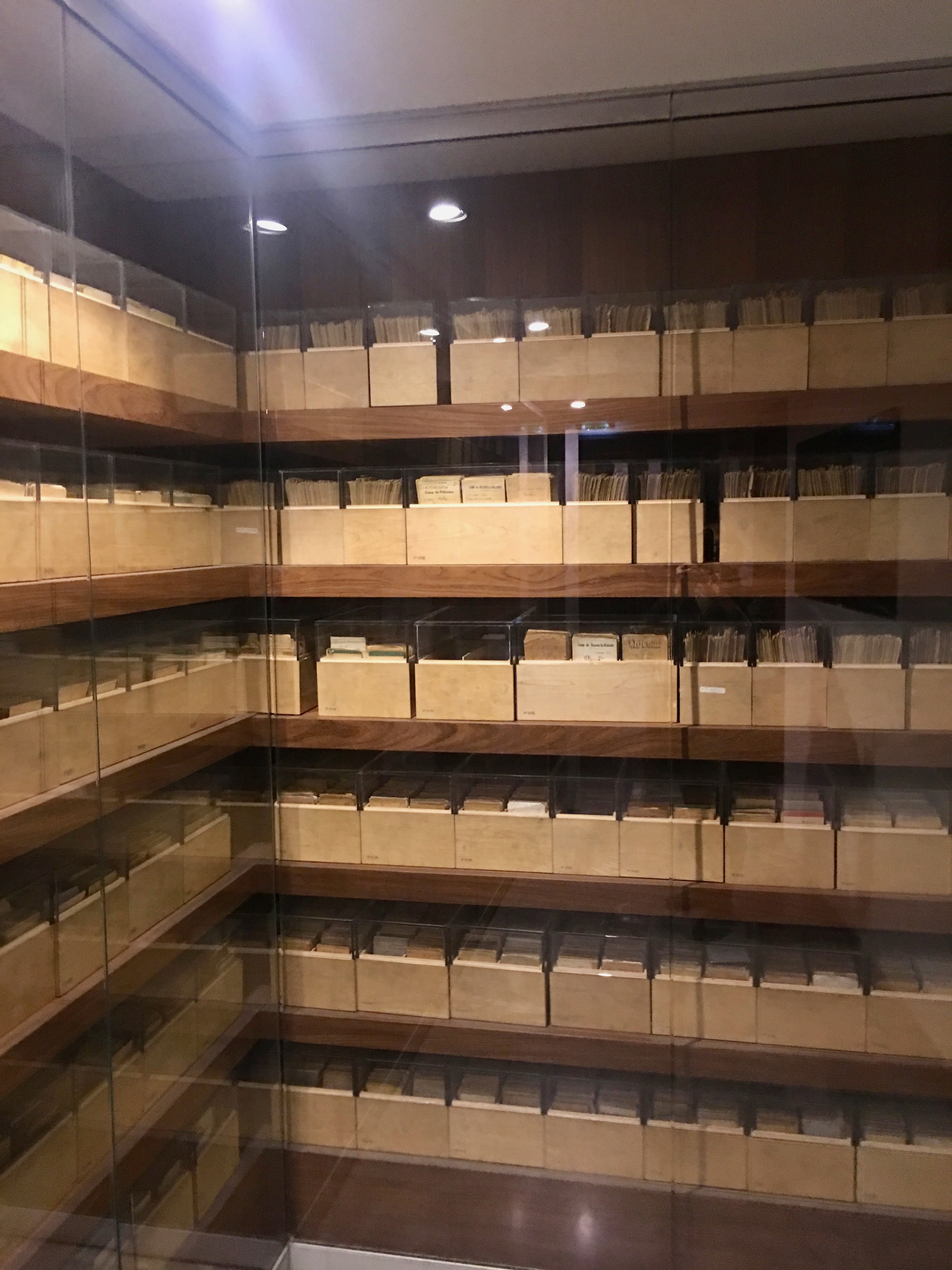
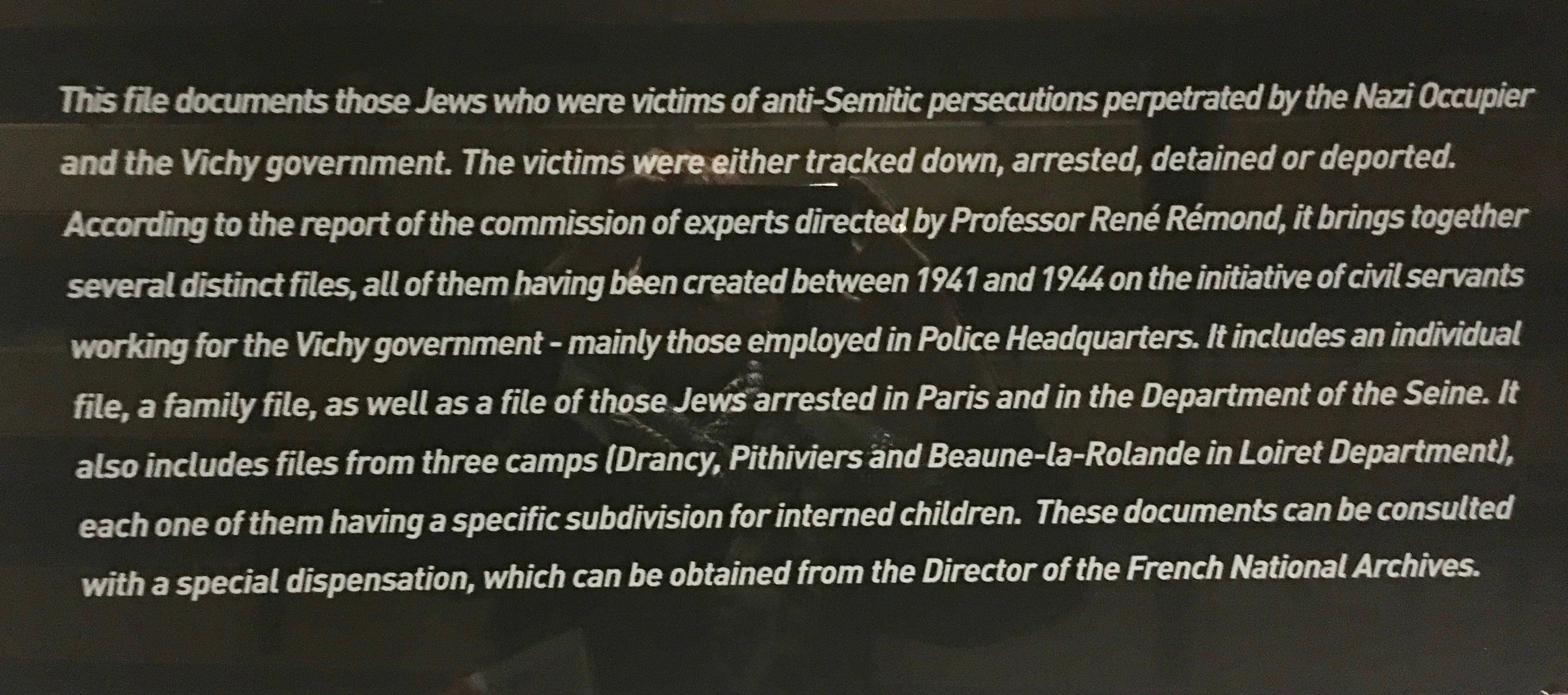
The “Jewish file”, deposited at the CDJC in 1996, is located in an enclave belonging to the National Archives on the same level as the crypt.
It actually groups together several files compiled mainly by the Prefecture of Police between 1941 and 1944 at the behest of the Vichy government. The Prefecture of Police files include individual and family files of Jews arrested in Paris and the Department of the Seine. The “Jewish file” also includes the files of the Drancy camp and the Pithiviers and Beaune-la-Rolande camps in the Loiret. All the files have specific subdivisions for interned children.
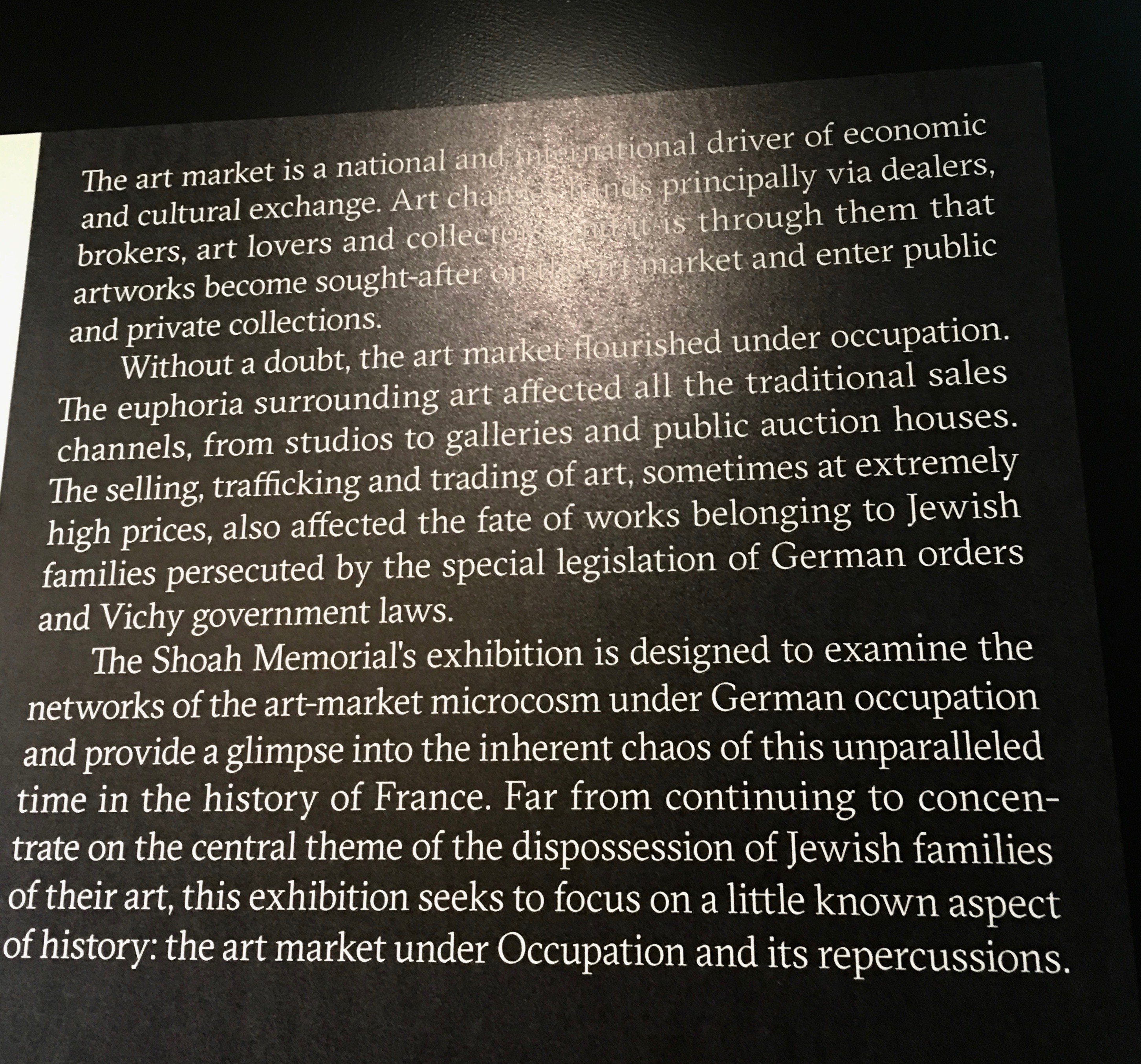
There was a special exhibit regarding the art markets during the German occupation. Jews and non-Jews who bought and sold art. It was very interesting.
Hitler also waged a war against modern art.
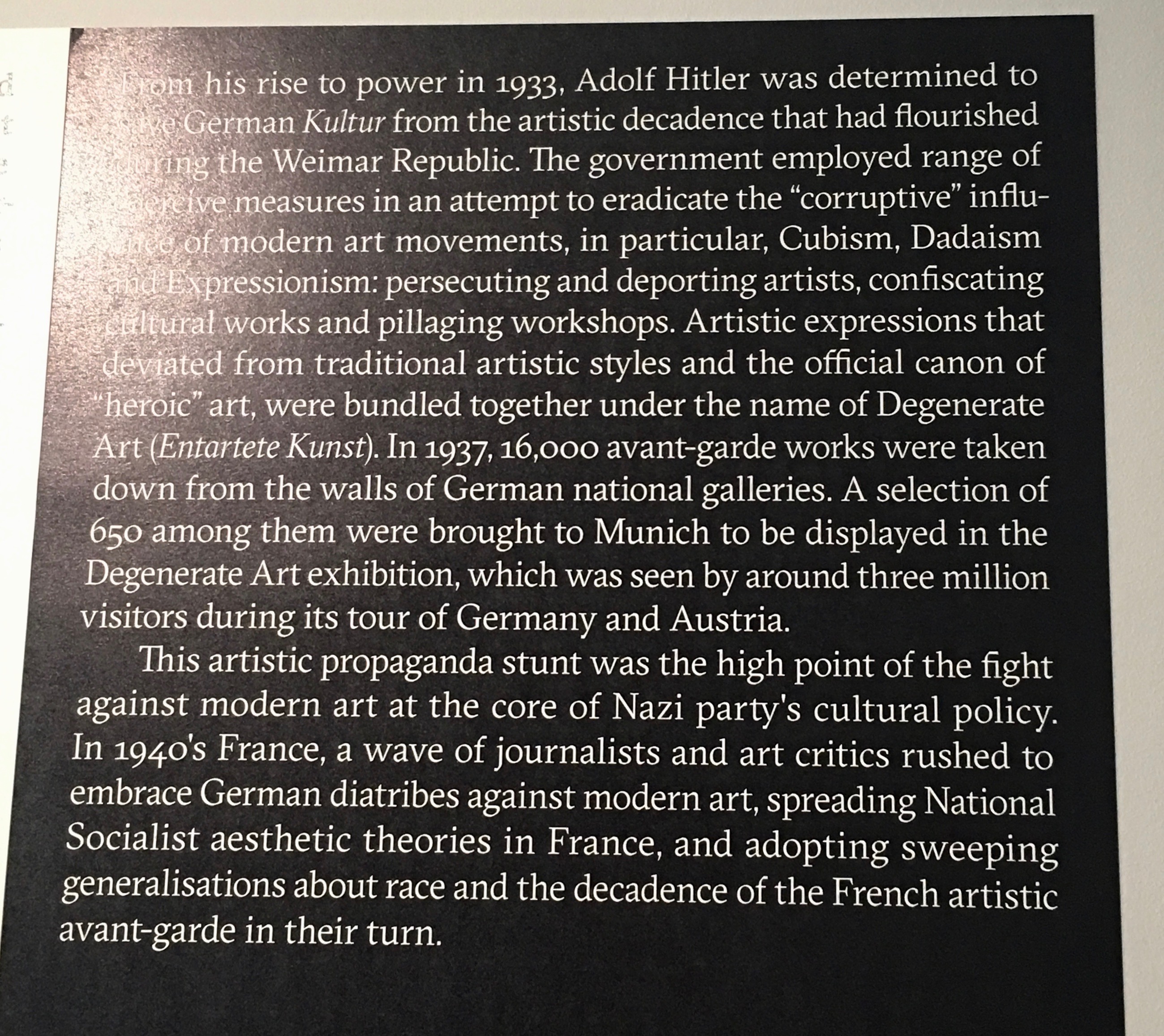
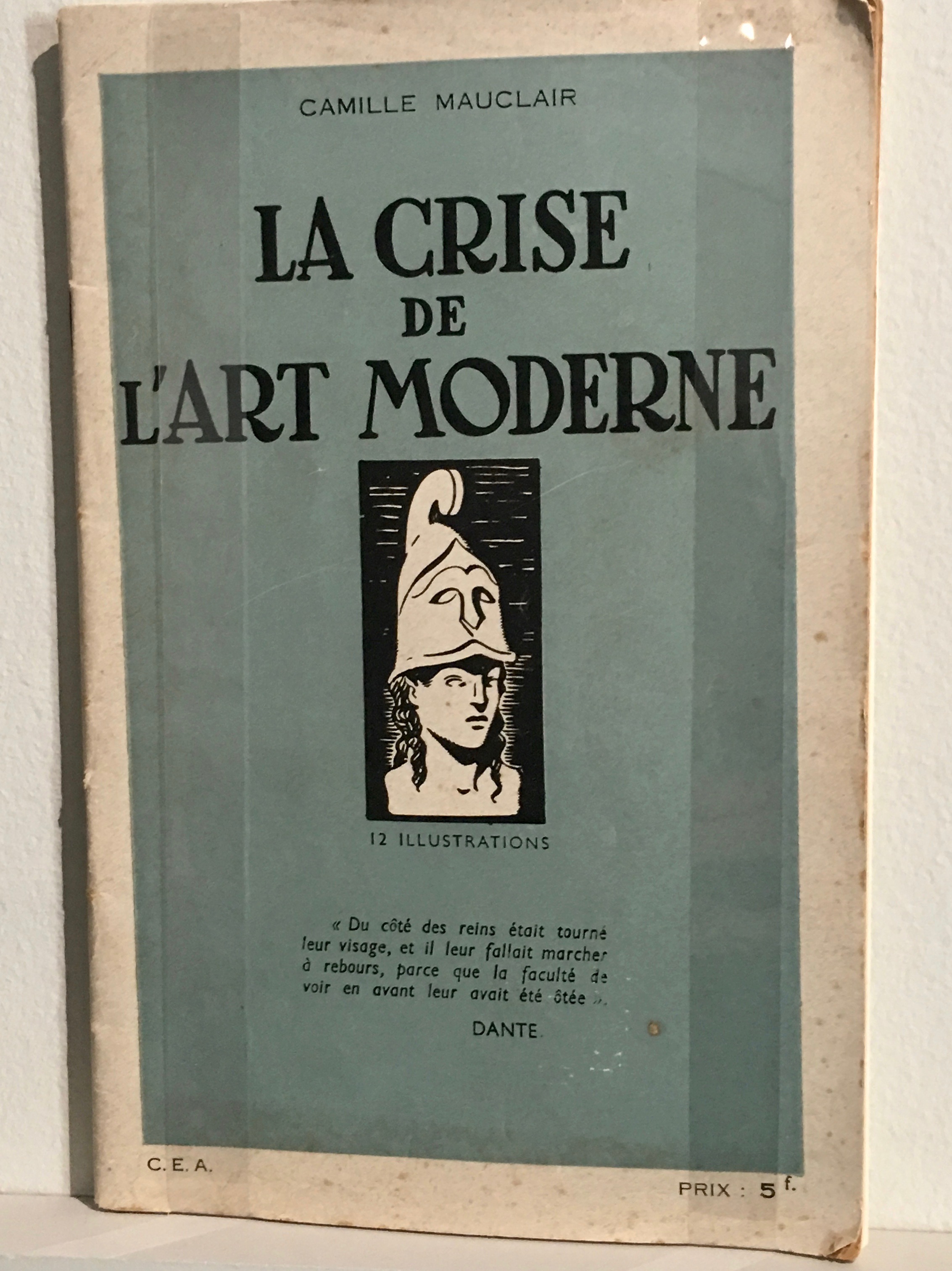
The brochure for the exhibit 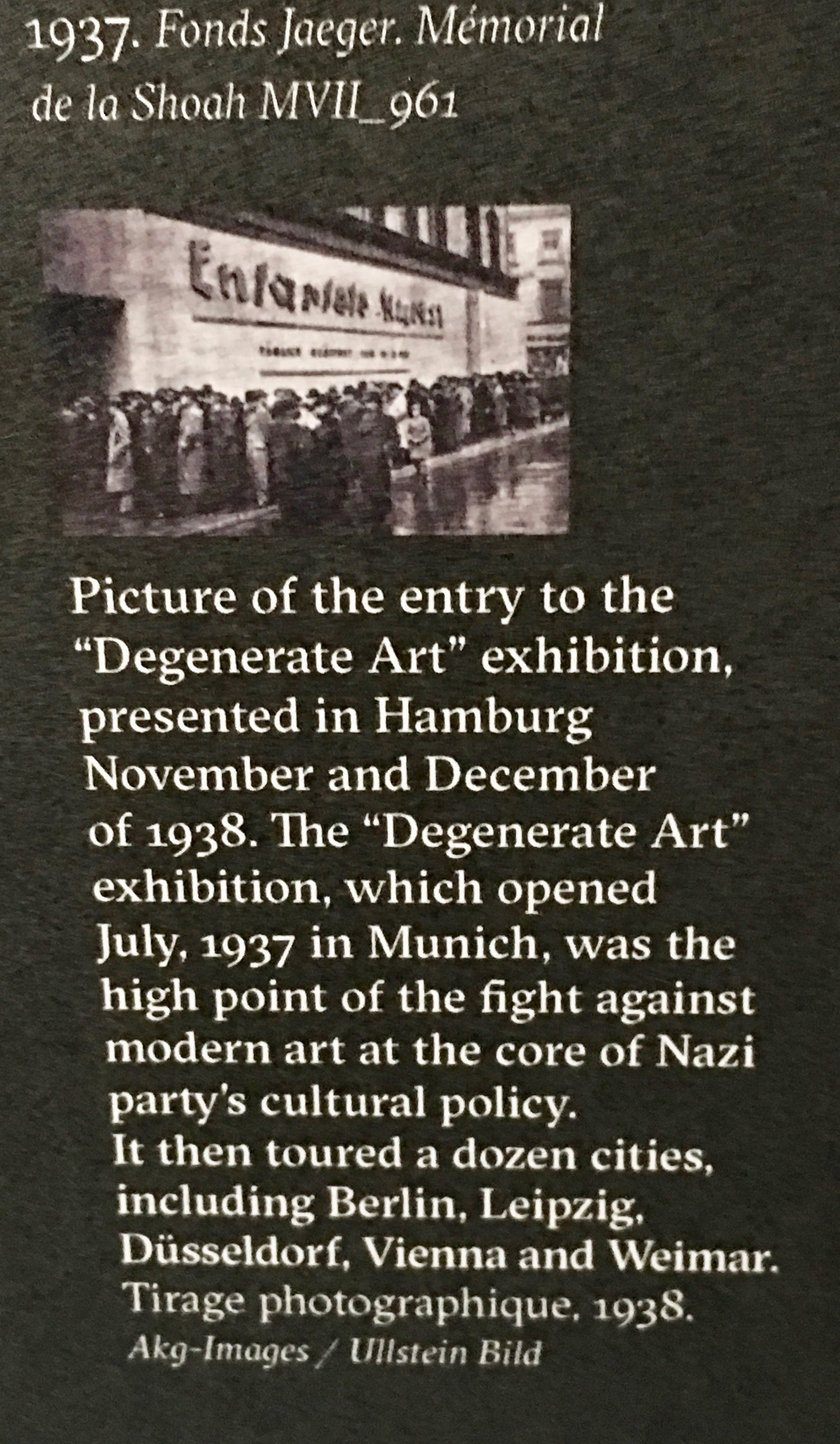
Before leaving for Paris I heard about Sunday Dinners at Jim Haynes house. You had to send an email and request and invite. I did email and got a response that Scott and I were “invited”. This would be an experience for sure. Jim, who is now in his late 70s, was born in Louisiana and throughout his life has been actively involved in experimental art and underground cultural events. He attended Edinburgh University and was one of the founders of the Edinburgh Festival Fringe which is the world’s largest arts festival. Jim has hosted Sunday dinner parties at his home since 1978. It is what I would call a salon, a group of people from all over the world in discussion of art, politics and daily life.
We were amazed when we opened the gate from the street to find a beautiful garden and a group of row housed that were build for artists. It was an amazing sight!!
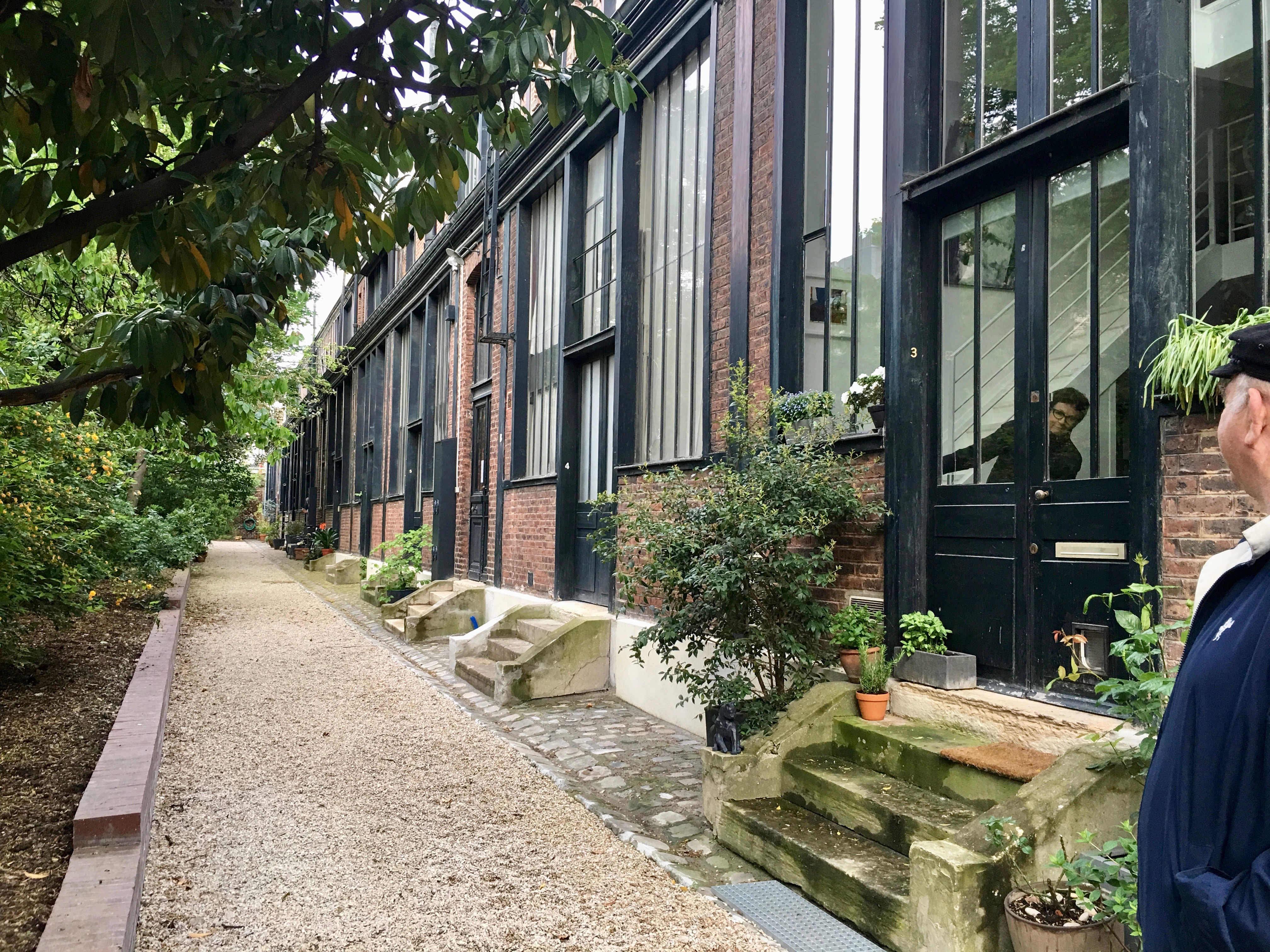
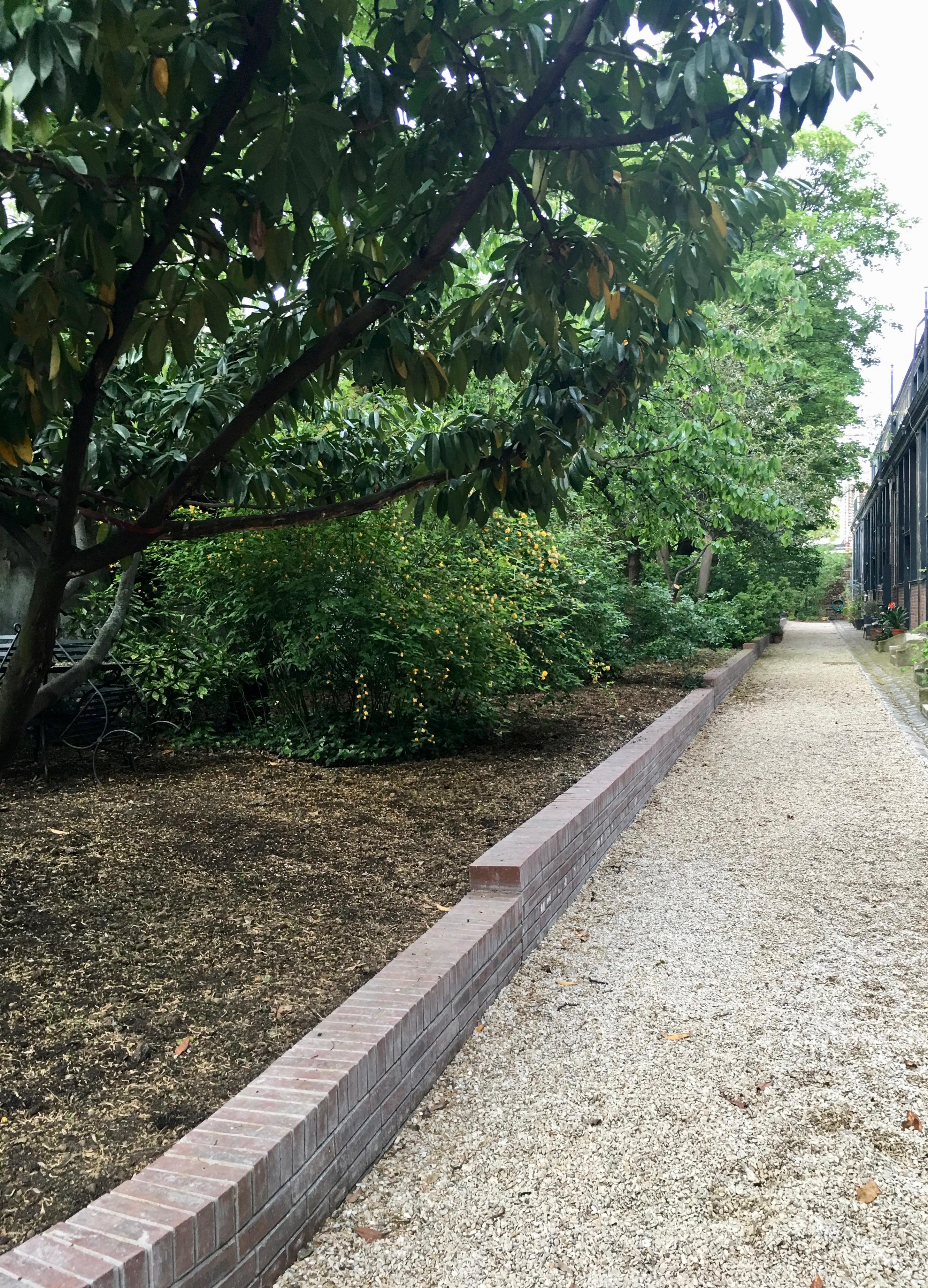
The garden
I did not take photos during the dinner but below are some I got from the internet. His place looked just like this and Jim looked about this way as well.
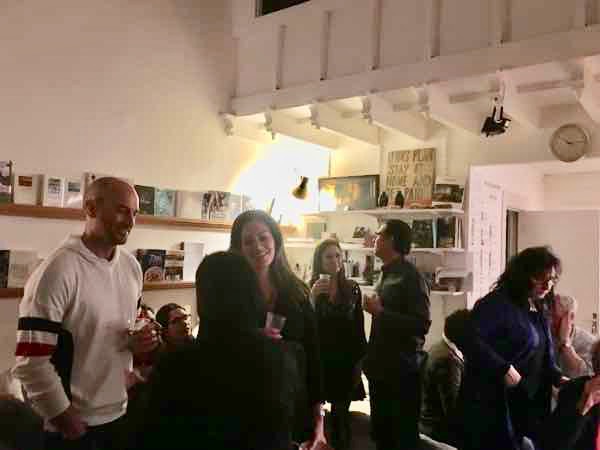
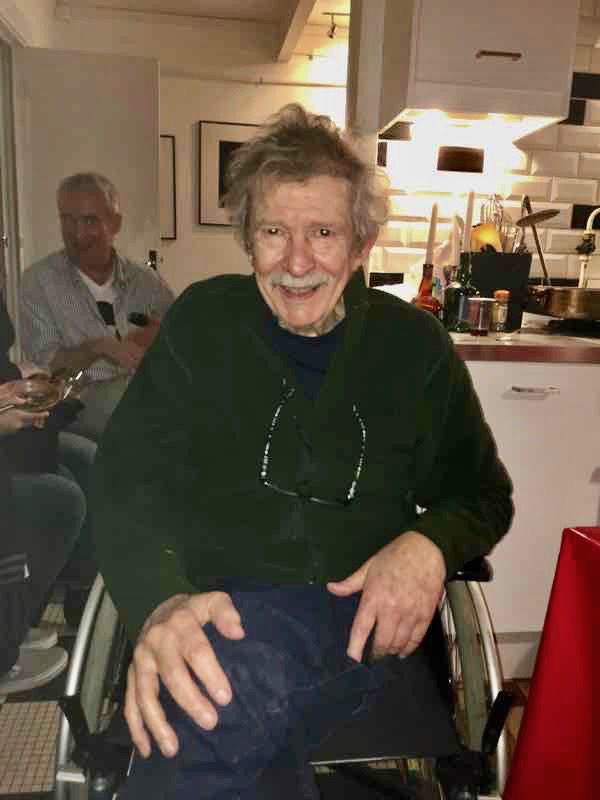
Jim Haynes
Jim has had a series of recent health problems and he was sitting on the sofa. He interacted with people when they came up to him. There were about 35 to 40 people there from all over the world. I met a woman who was from the UK (via Canada and Australia), two young German people who were in law school, a woman from Macedonia and one from Serbia, some people from Paris, some Americans and others. Many people had been there before. It was an amazing evening of talking politics, history and current events. The food was cooked by his assistant Christian. We started with a Colombian guacamole and chips, had a chicken and rice dish and ended up with a cheesecake type dessert. It was ok but the conversation was terrific. Even Scott enjoyed himself. We Ubered home. Great evening.

 Meandering With Murphy