Free day, all markets closed on Sundays, the Barcelona History Museum and eating at Tapeo
After our big day yesterday, we got started later. None of the markets were open, things were still closed for the holiday, and our reservation for dinner was not until 7:30. We decided to go to the Barcelona History Museum.
Barcelona (Just a little history)
Barcelona is a city on the coast of northeastern Spain. It is the capital and largest city of the autonomous community of Catalonia as well as the second most populous municipality of Spain. With a population of 1.6 million within city limits, its urban area extends to numerous neighboring municipalities within the Province of Barcelona and is home to around 4.8 million people, making it the fifth most populous urban area in the EU after Paris, the Ruhr, Madrid and Milan. It is one of the largest metropolises on the Mediterranean Sea.
Founded as a Roman city, in the Middle Ages Barcelona became the capital of the County of Barcelona. Barcelona has a rich cultural heritage and is today an important cultural centre and a major tourist destination. Particularly renowned are the architectural works of Antoni Gaudi and Lluis Domenech i Montaner of which have been designated UNESCO World Heritage Sites. The city is known for hosting the 1992 Summer Olympics
The name Barcelona comes from the ancient Iberian Baŕkeno, attested in an ancient coin inscription found on the right side of the coin in Iberian script.
Some older sources suggest that the city may have been named after the Carthaginian general Hamilcar Barca who was supposed to have founded the city in the 3rd century BC, but there is no evidence that Barcelona was ever a Carthaginian settlement, or that its name in antiquity, Barcino, had any connection with the Barcid family of Hamilcar. During the Middle Ages the city was variously known as Barchinona, Barçalona, Barchelonaa, and Barchenona.
Internationally as well as domestically, Barcelona’s name is abbreviated colloquially to ‘Barça’ in reference to the football club FC Barcelona.
Pre-history
The origin of the earliest settlement at the site of present-day Barcelona is unclear. The ruins of an early settlement have been found, including different tombs and dwellings dating to earlier than 5000 BC. The founding of Barcelona is the subject of two different legends. The first attributes the founding of the city to the mythological Hercules. The second legend attributes the foundation of the city directly to the historical Carthaginian gner Hamilcar Barca, father of Hannibal who supposedly named the city Barcino after his family in the 3rd century BC, but there is no historical or linguistic evidence that this is true. Archeological evidence in the form of coins from the 3rd Century BC have been found on the hills at the foot of Montjuïc with the name Bárkeno written in an ancient script in the Iberian language. Thus, we can conclude that the Laietani, an ancient Iberian (Pre-Roman) people of the Iberian peninsula, who inhabited the area occupied by the city of Barcelona around 3 – 2 BC, called the area Bàrkeno, which means “The Place of the Plains” (Barrke = plains/terrace).
Roman Barcelona
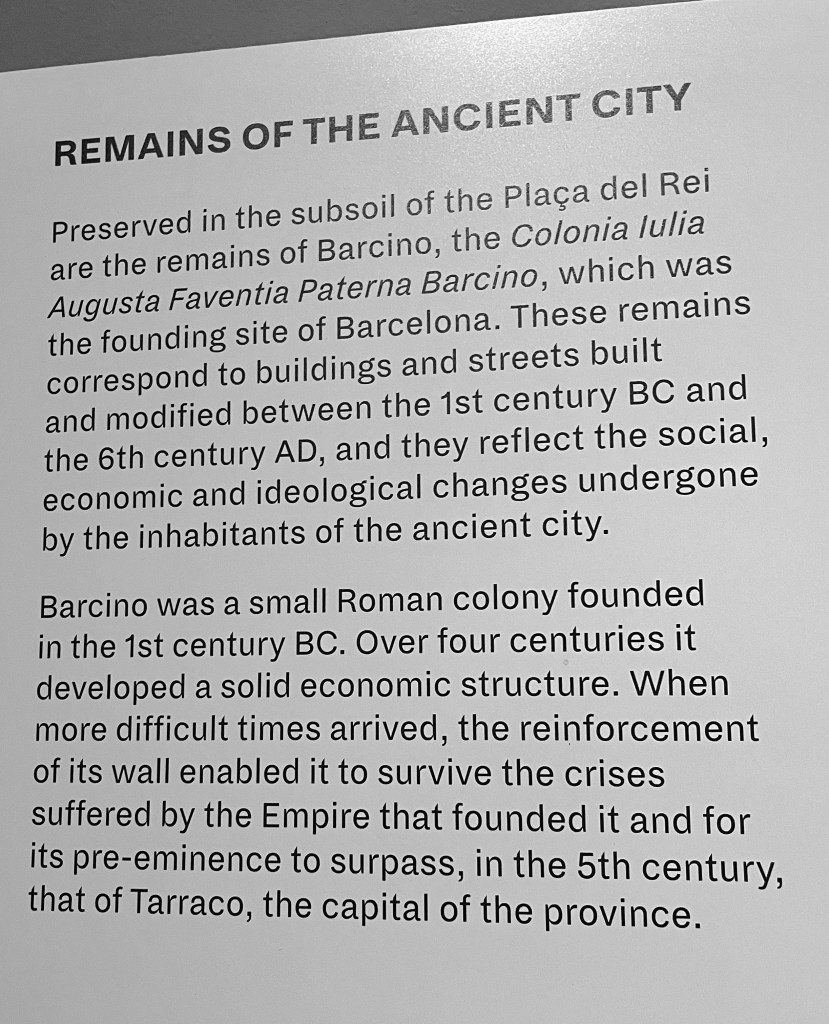
In about 15 BC, the Romans redrew the town as a Roman military camp centered on the “Mons Taber“, a little hill near the Catalan Government and city hall buildings. The Roman Forum, at the crossing of the Cardo Maximus and Decumanus Maximus was approximately placed where current Placa de Sant Jaume is. Thus, the political center of the city Catalonia.
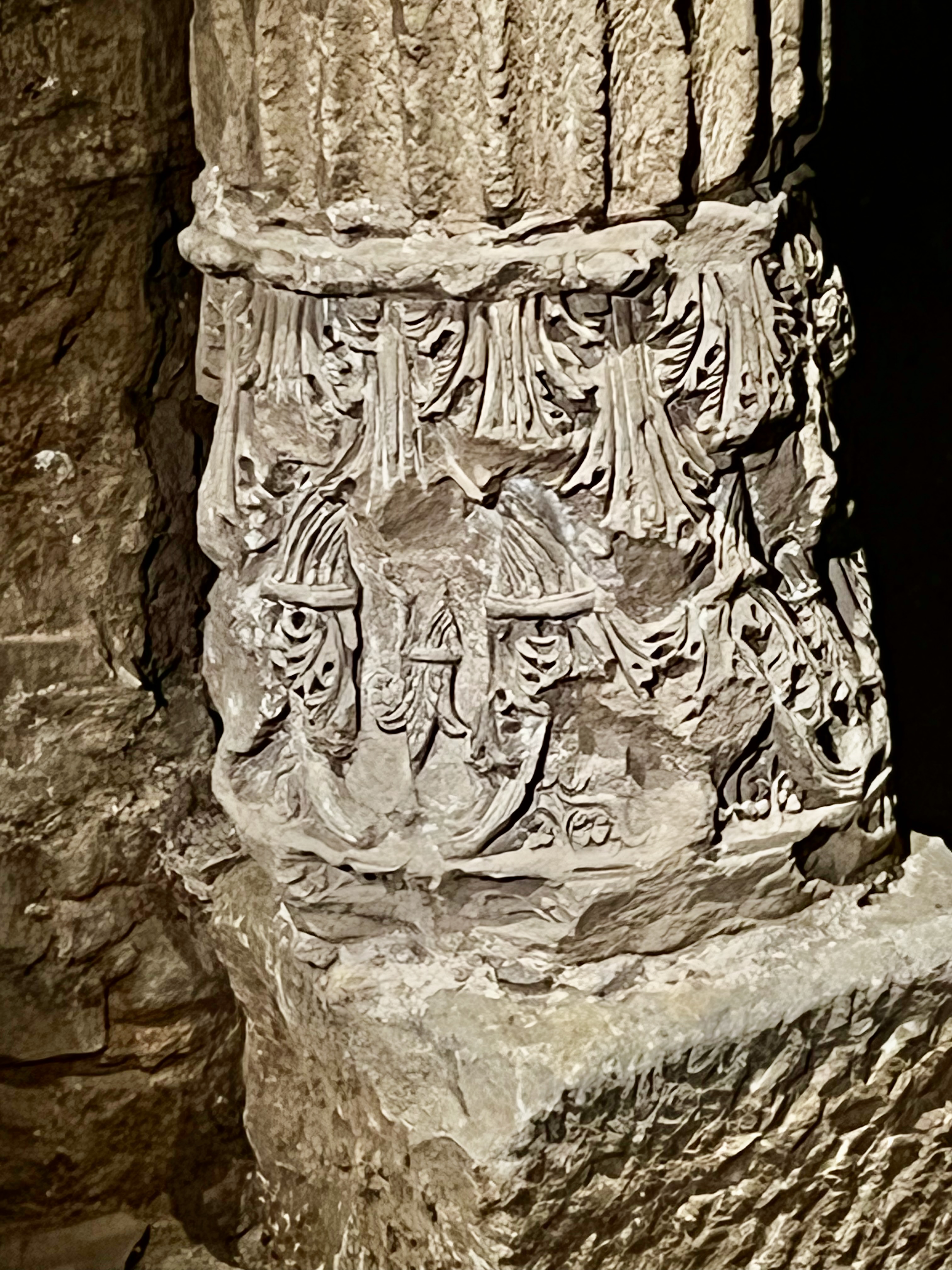
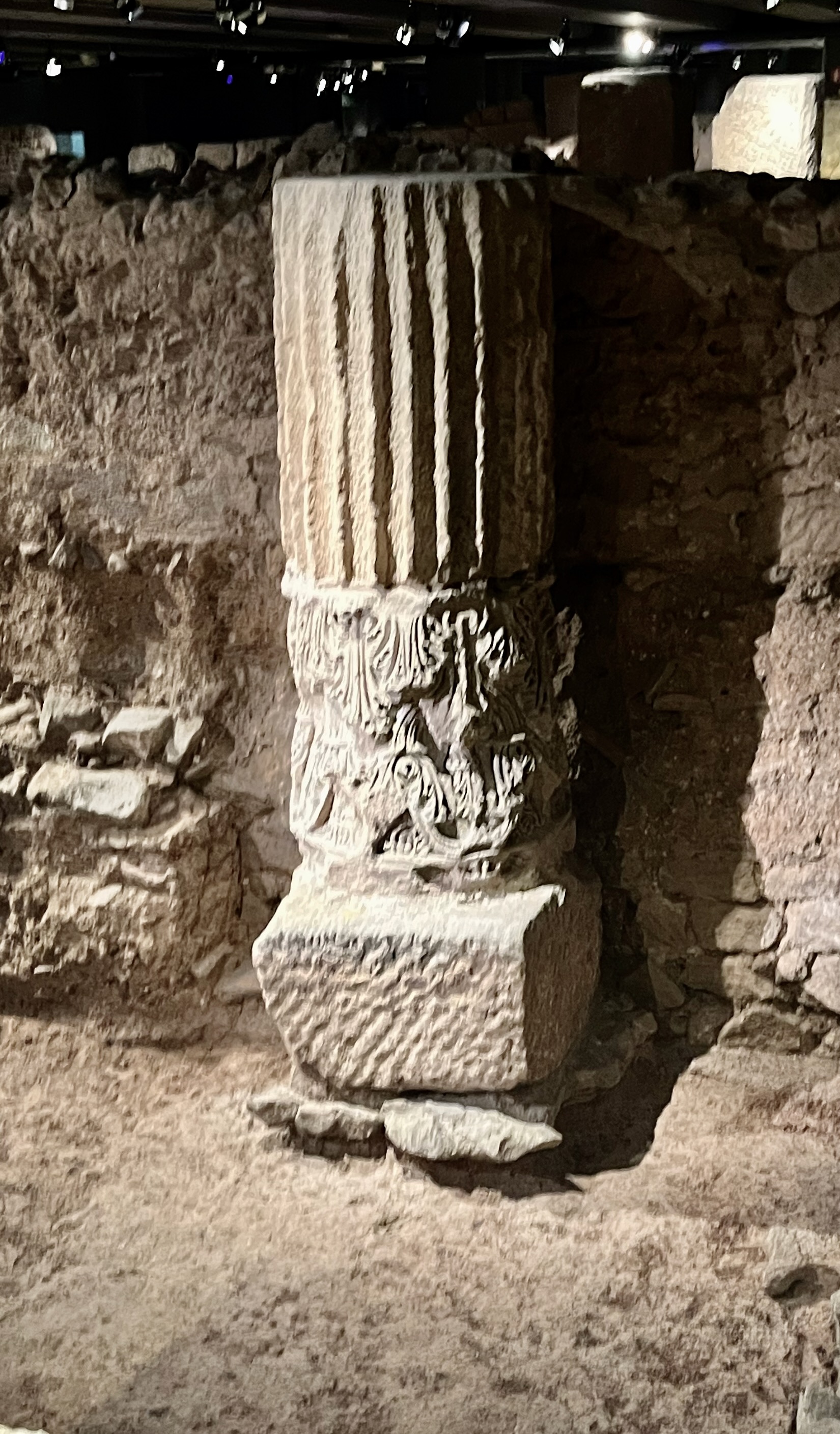
Important Roman vestiges are displayed in Placa del Rei underground, as part of the Barcelona City History Museum the typically Roman grid plan is still visible today in the layout of the historical centre,. Some remaining fragments of the Roman walls have been incorporated into the cathedral. The cathedral, known very formally by the long name of Catedral Basílica Metropolitana de Barcelona, is also sometimes called La Seu, which simply means cathedral (and see, among other things) in Catalan. It is said to have been founded in 343.
The Spanish Civil War and the Franco period
During the Spanish Civil War, the city, and Catalonia in general, were resolutely Republican. Many enterprises and public services were collectivized by the CNT and UGT unions. As the power of the Republican government and the Generalitat diminished, much of the city was under the effective control of anarchist groups. The anarchists lost control of the city to their own allies, the Communists and official government troops, after the street fighting of the Barcelona May Days. The fall of the city on 26 January 1939, caused a mass exodus of civilians who fled to the French border. The resistance of Barcelona to Franco’s coup d’état was to have lasting effects after the defeat of the Republican government. The autonomous institutions of Catalonia were abolished, and the use of the Catalan language in public life was suppressed. Barcelona remained the second largest city in Spain, at the heart of a region which was relatively industrialized and prosperous, despite the devastation of the civil war. The result was a large-scale immigration from poorer regions of Spain which in turn led to rapid urbanization.
The death of Franco in 1975 brought on a period of democratization throughout Spain. Pressure for change was particularly strong in Barcelona, which considered that it had been punished during nearly forty years of Francoism for its support of the Republican government. Massive, but peaceful, demonstrations on 11 September 1977 assembled over a million people in the streets of Barcelona to call for the restoration of Catalan autonomy. It was granted less than a month later.
Spanish is the most spoken language in Barcelona (according to the linguistic census held by the Government of Catalonia in 2013) and it is understood almost universally. Catalan is also very commonly spoken in the city: it is understood by 95% of the population, while 72.3% can speak it, 79% can read it, and 53% can write it. Knowledge of Catalan has increased significantly in recent decades thanks toa language immersion educational system.
The City History Museum
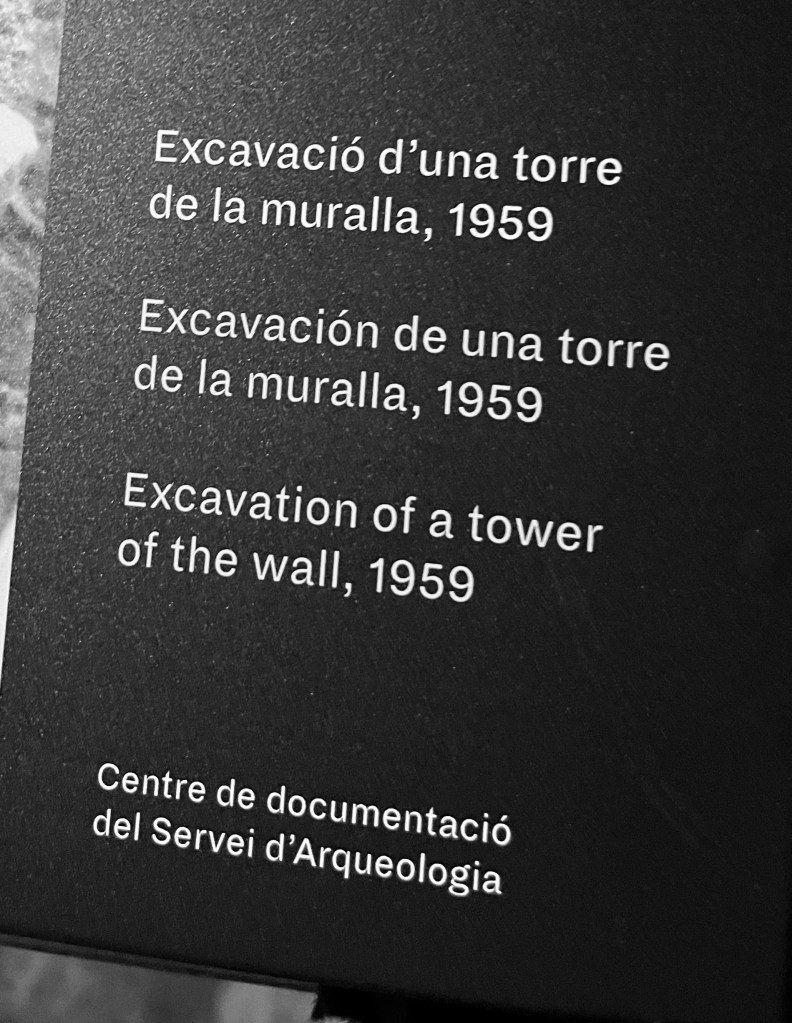
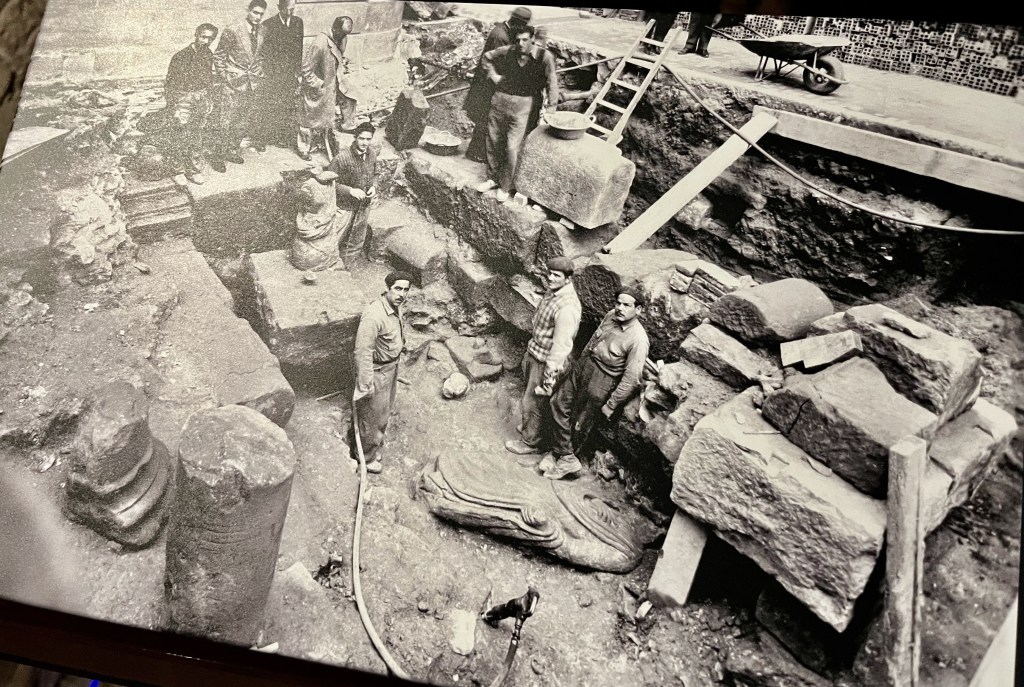
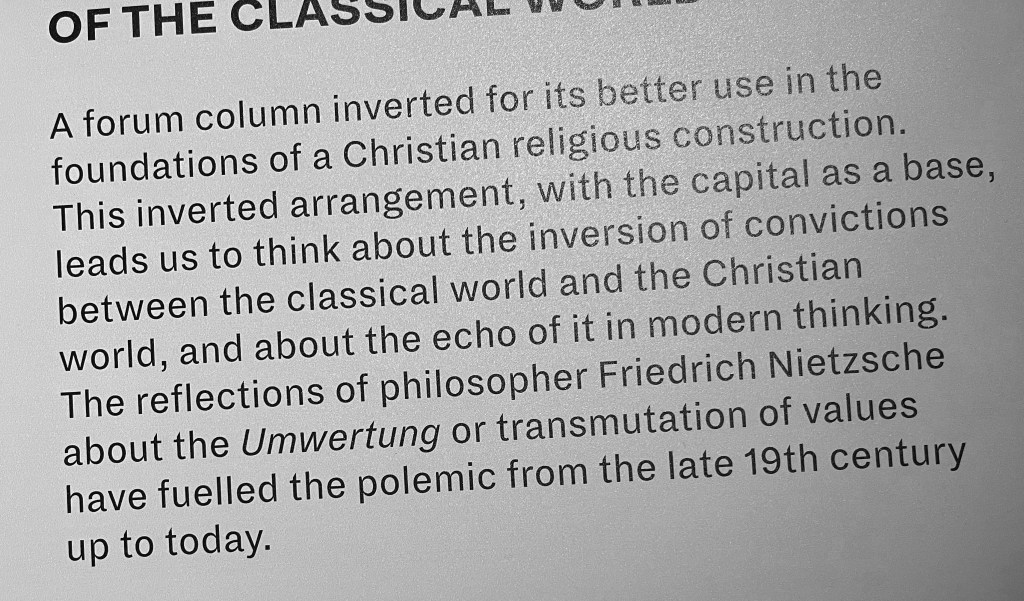
The City History Museum is located in Barcelona’s Gothic Quarter (Barri Gòtic), overlooking the charming square called Plaça del Rei. The museum’s main building – Casa Padellàs, was transported here in 1931, stone by stone from its original location at the Carrer dels Mercaders. With its typical Catalan Gothic Architecture, it was to fit perfectly within Barri Gòtic, but the move proved much more difficult than originally planned. Namely, in 1930 when foundations were supposed to be laid for Casa Padellàs in Plaça del Rei, the excavation work unintentionally uncovered the remains of the old Roman city Barcino stretching underneath the square. Detailed excavations were conducted over the next 30 years and it was then decided that the Casa Padellàs would best be used to house the City History Museum, preserving and including the Barcino remains into the museum exhibition space. Excavations were finally completed in the 1960s and the new museum opened its doors to the public for the first time in 1973.
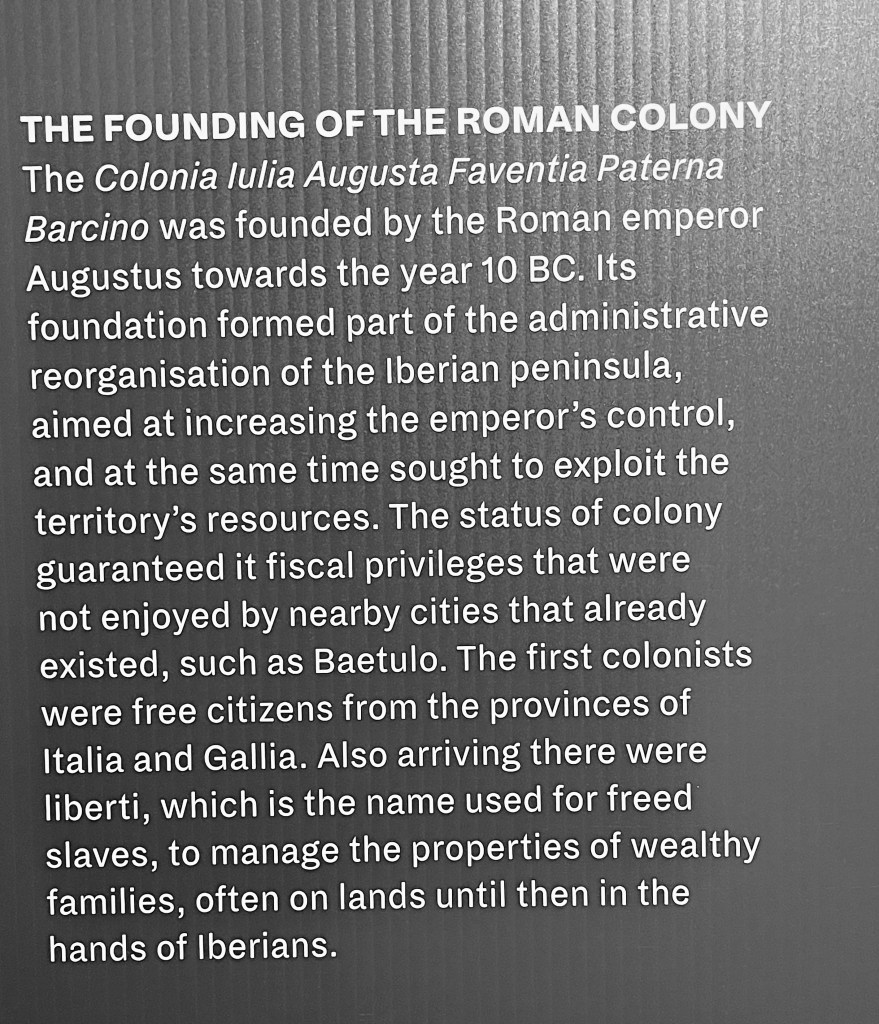
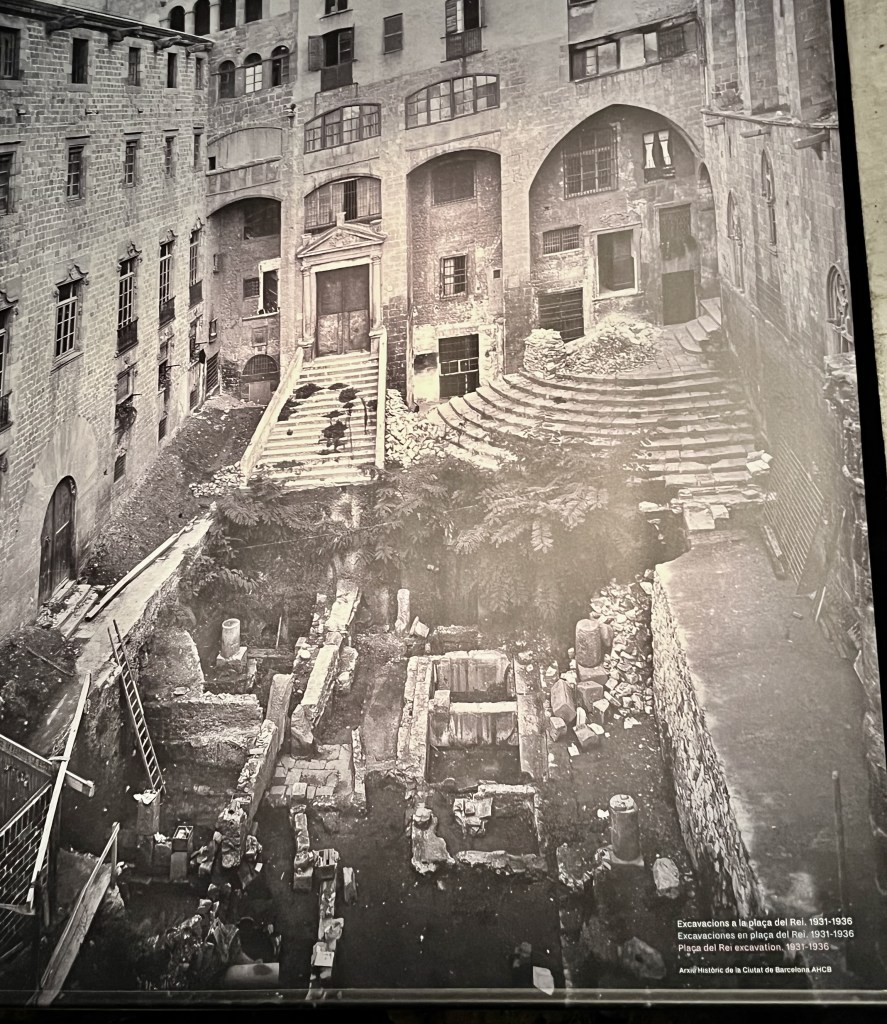
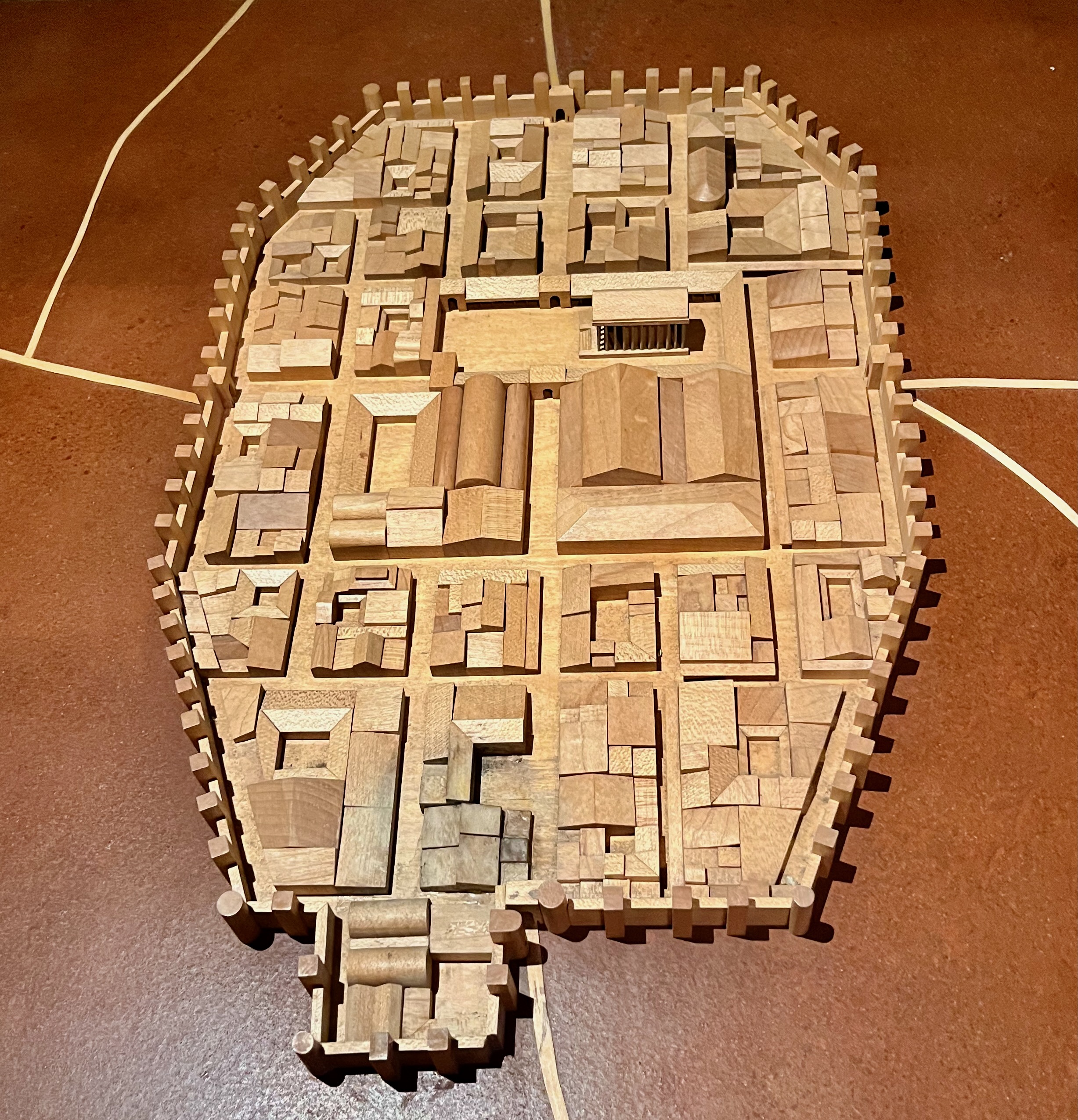
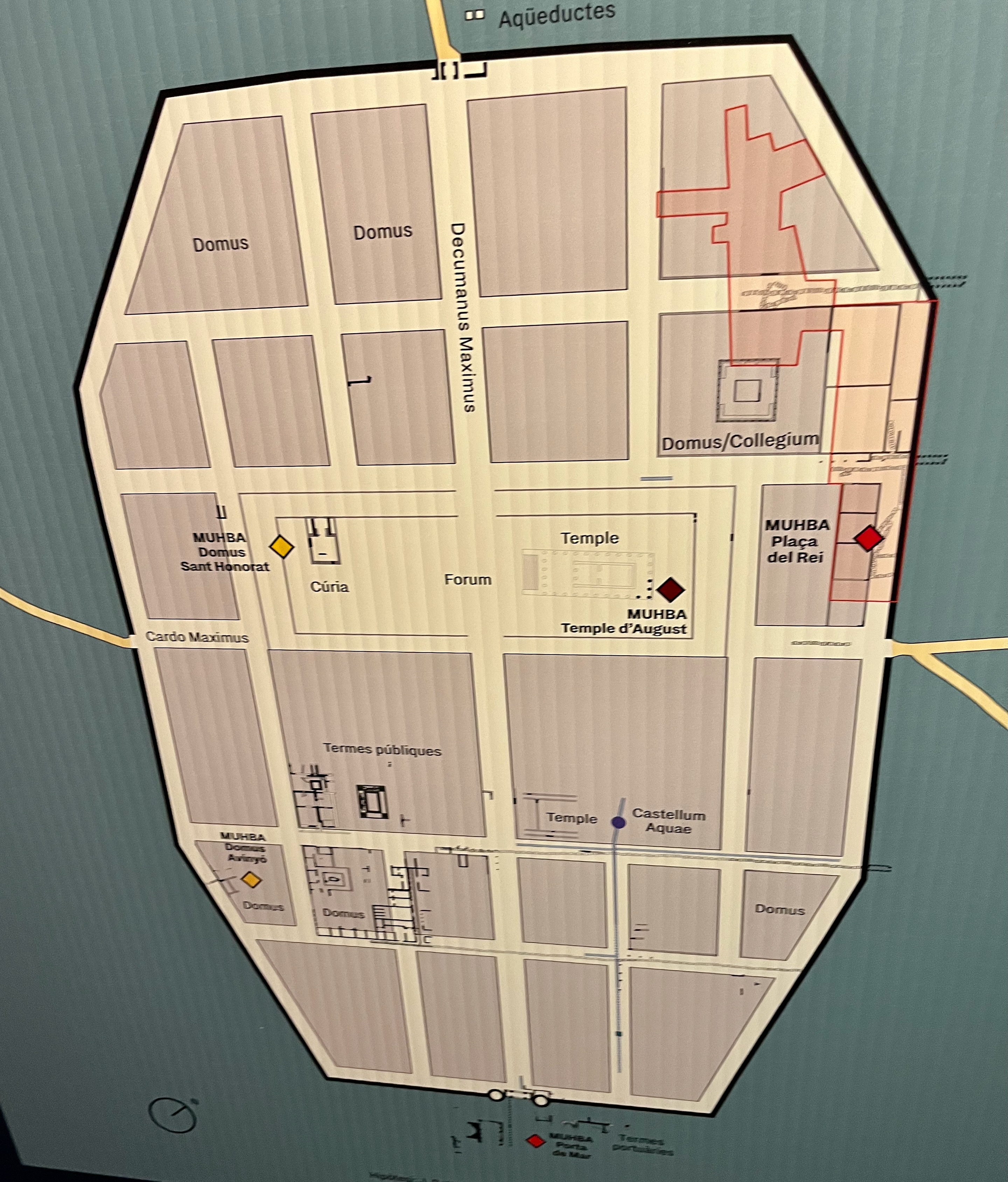
Model and layout of the city.
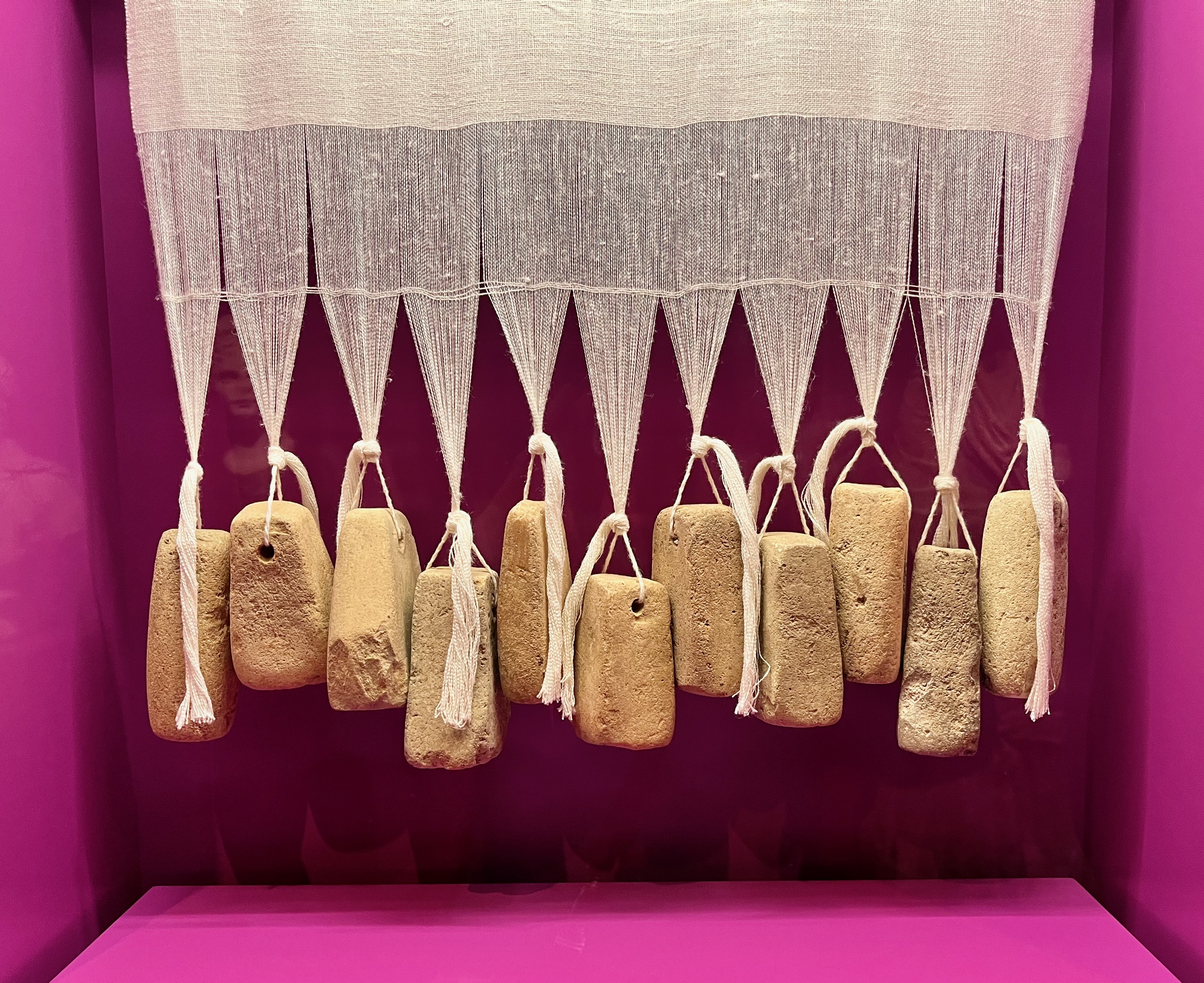
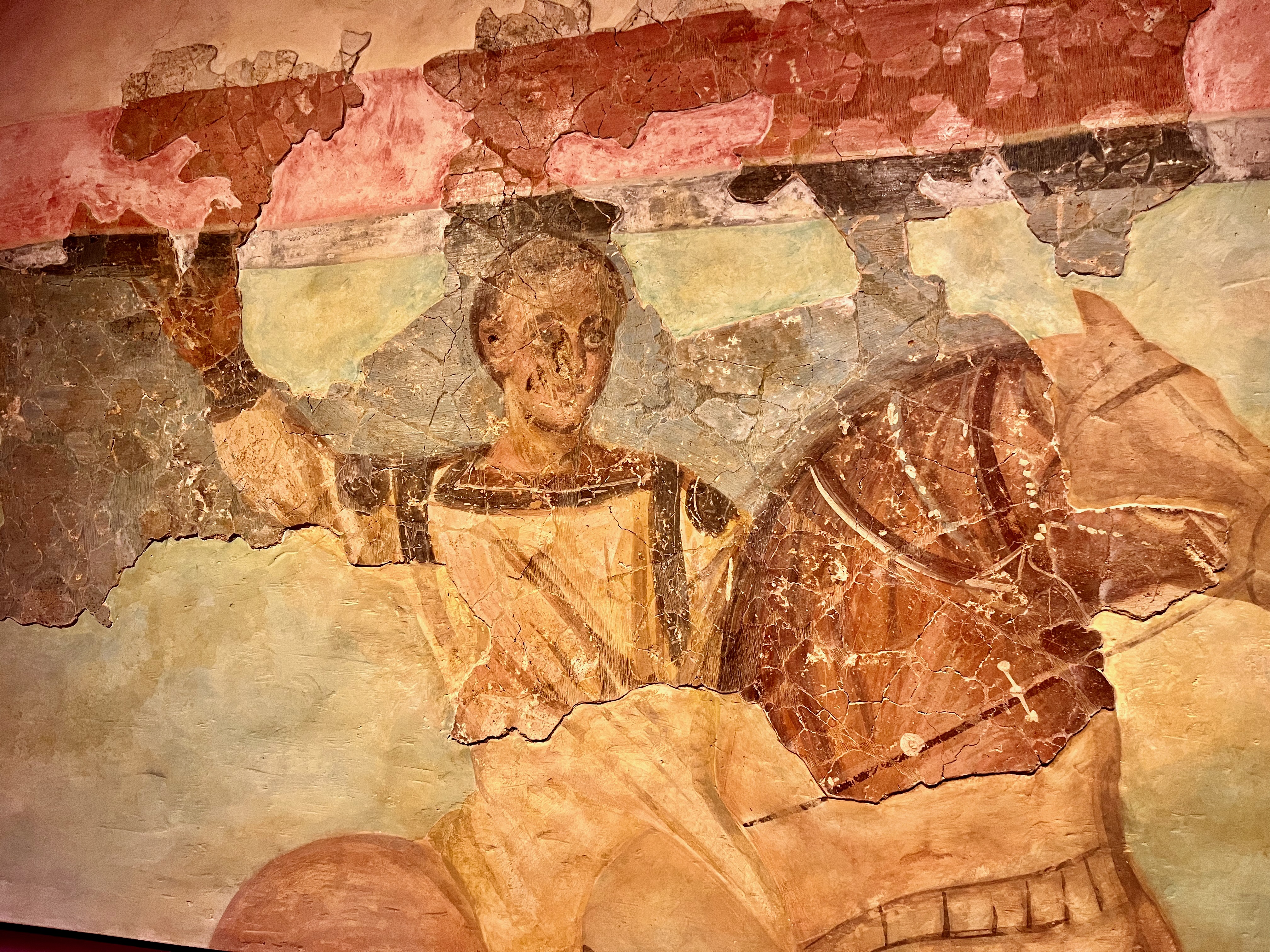
How weaving was done and a mosaic of a charioteer.
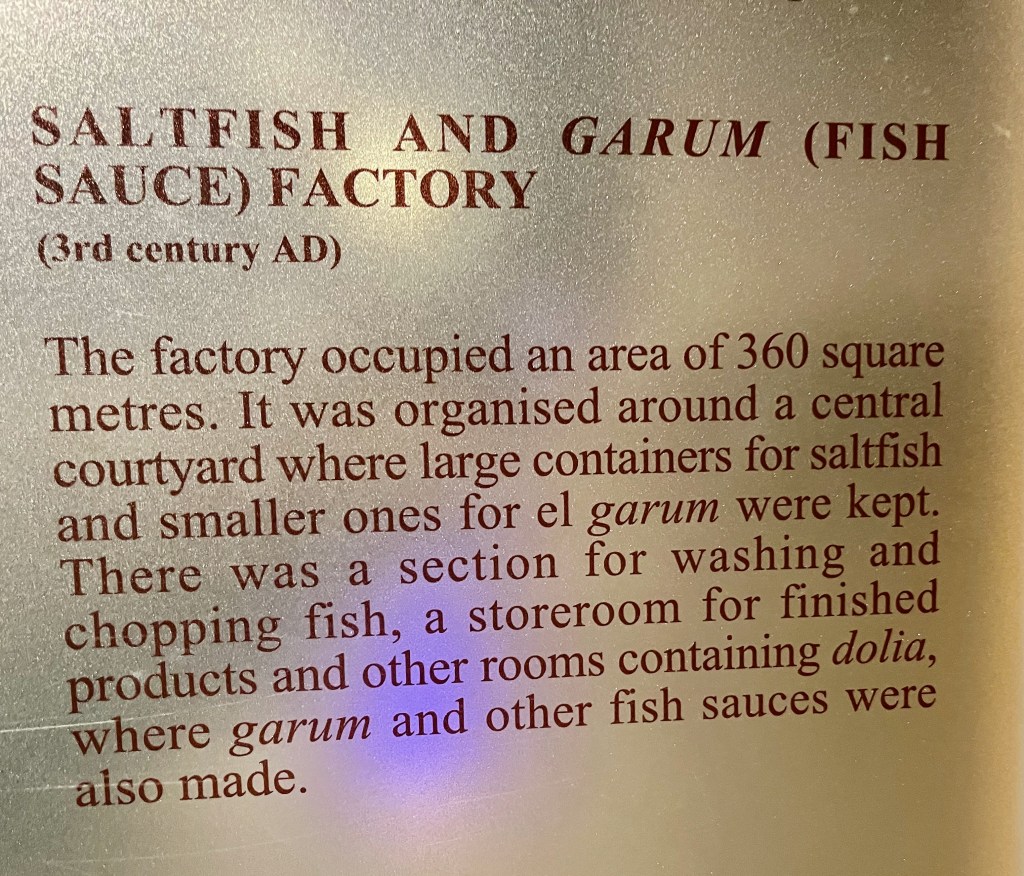
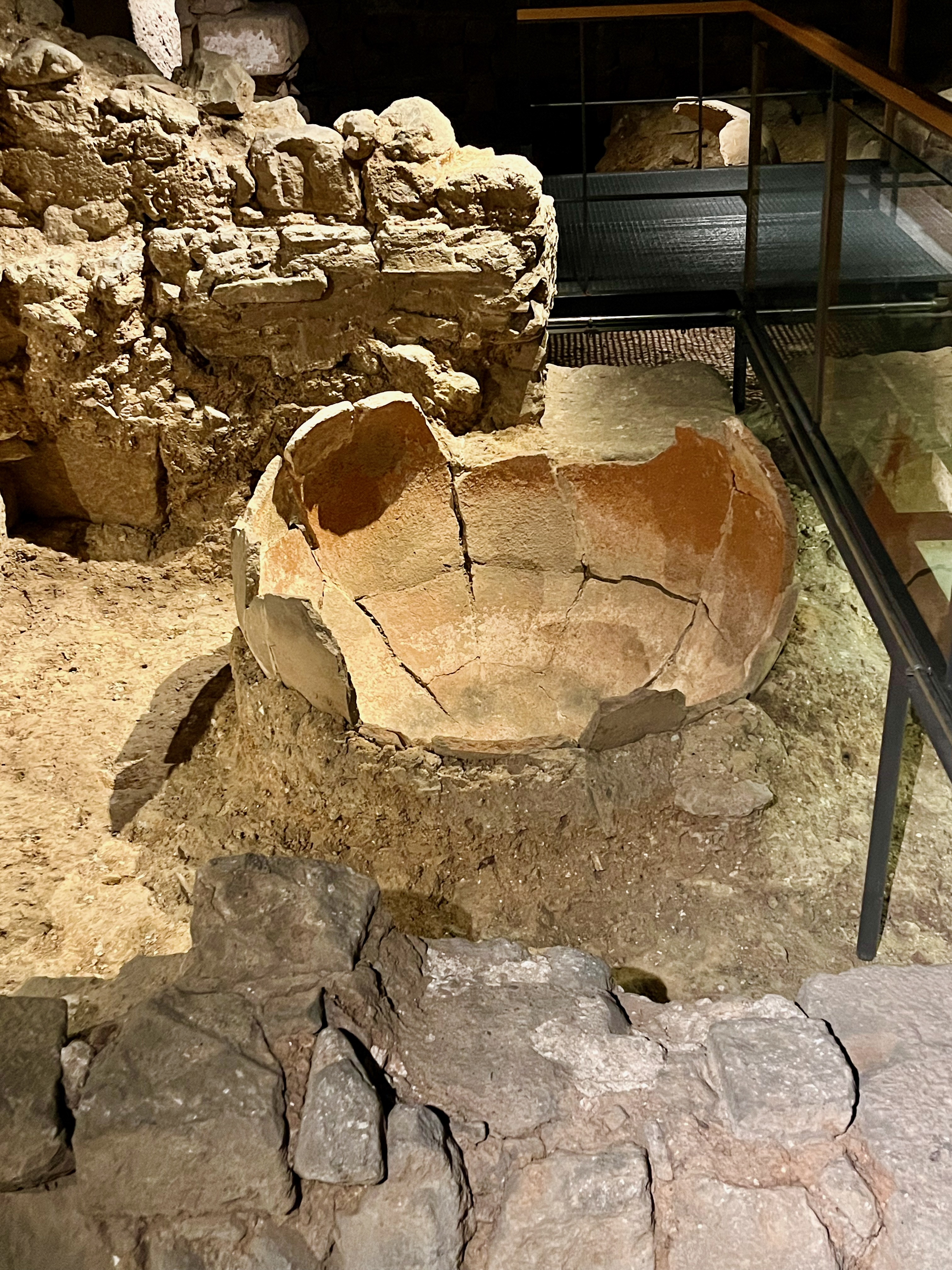
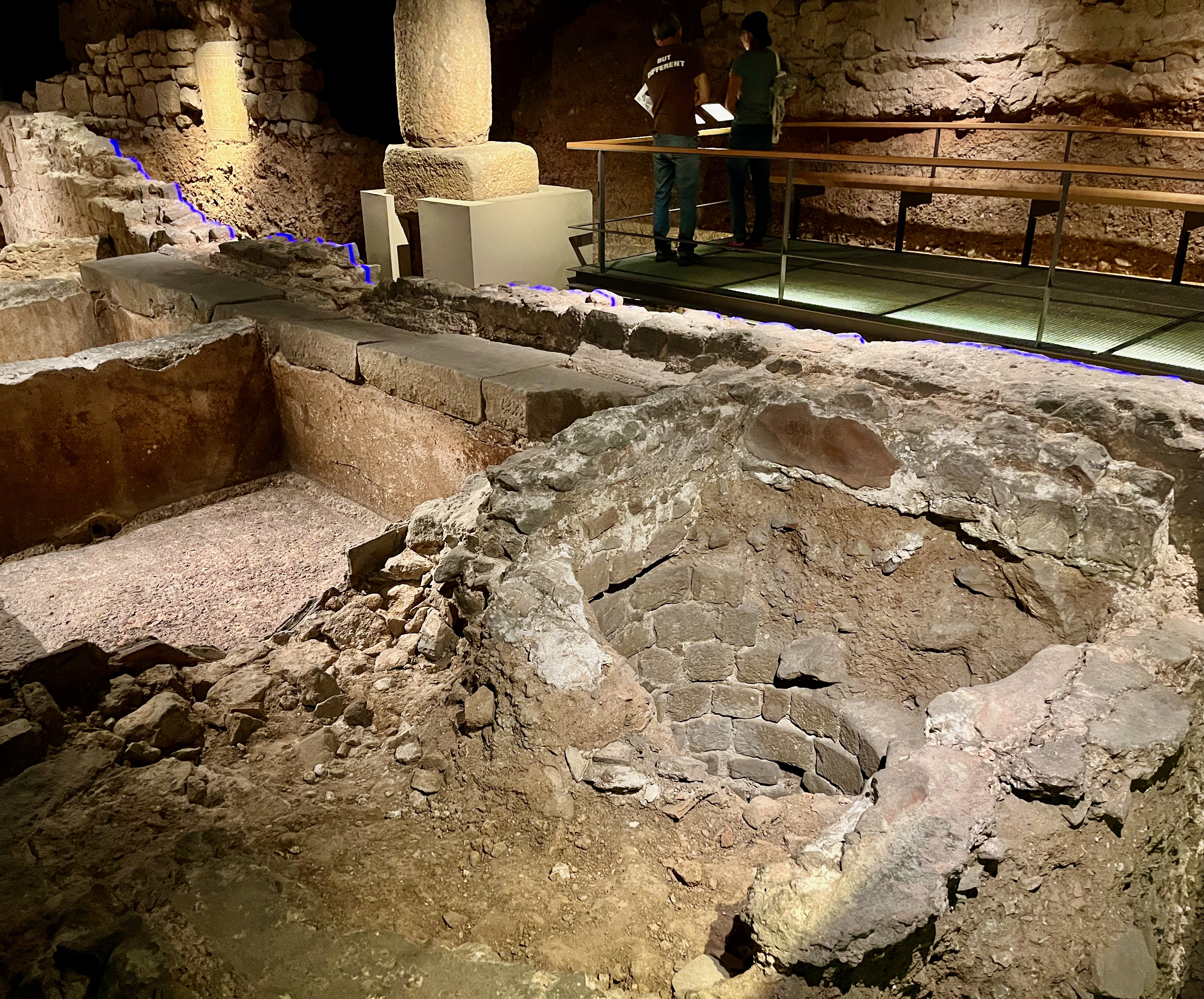
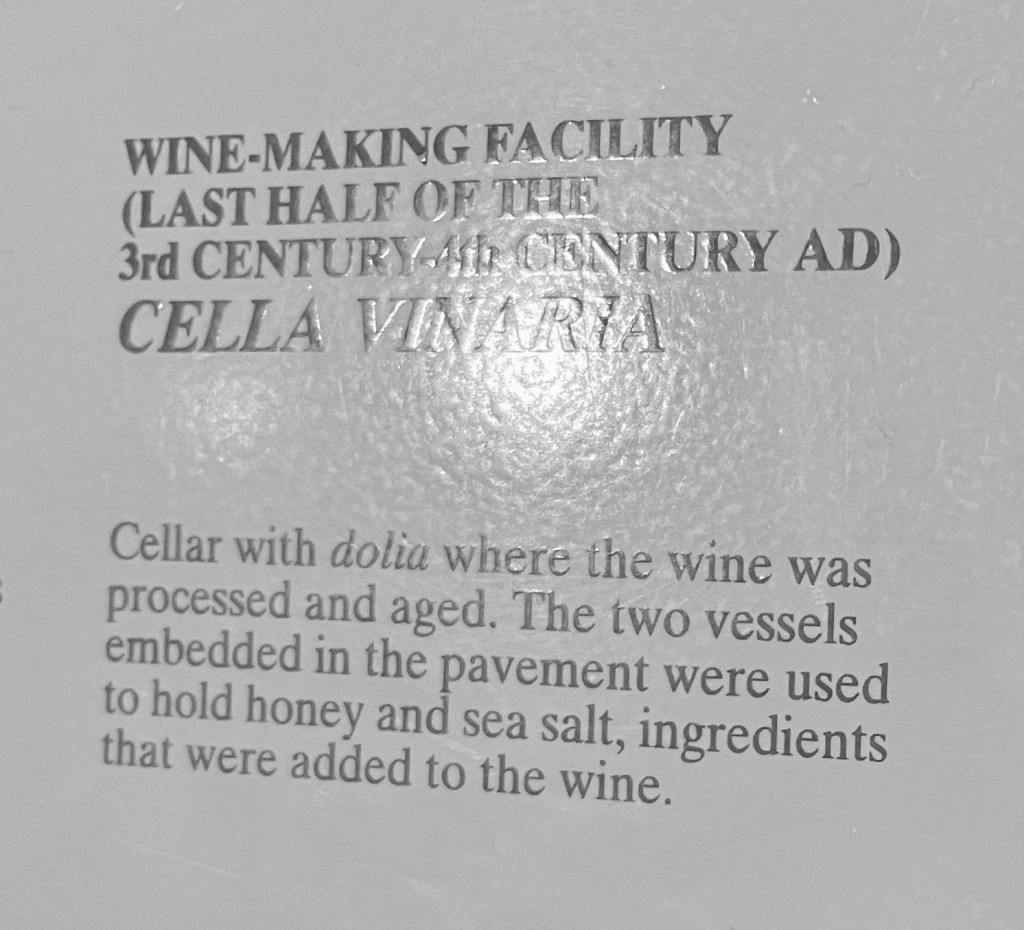
Fish sauce factory, where they cured the fish sauce and fish sauce storeroom.
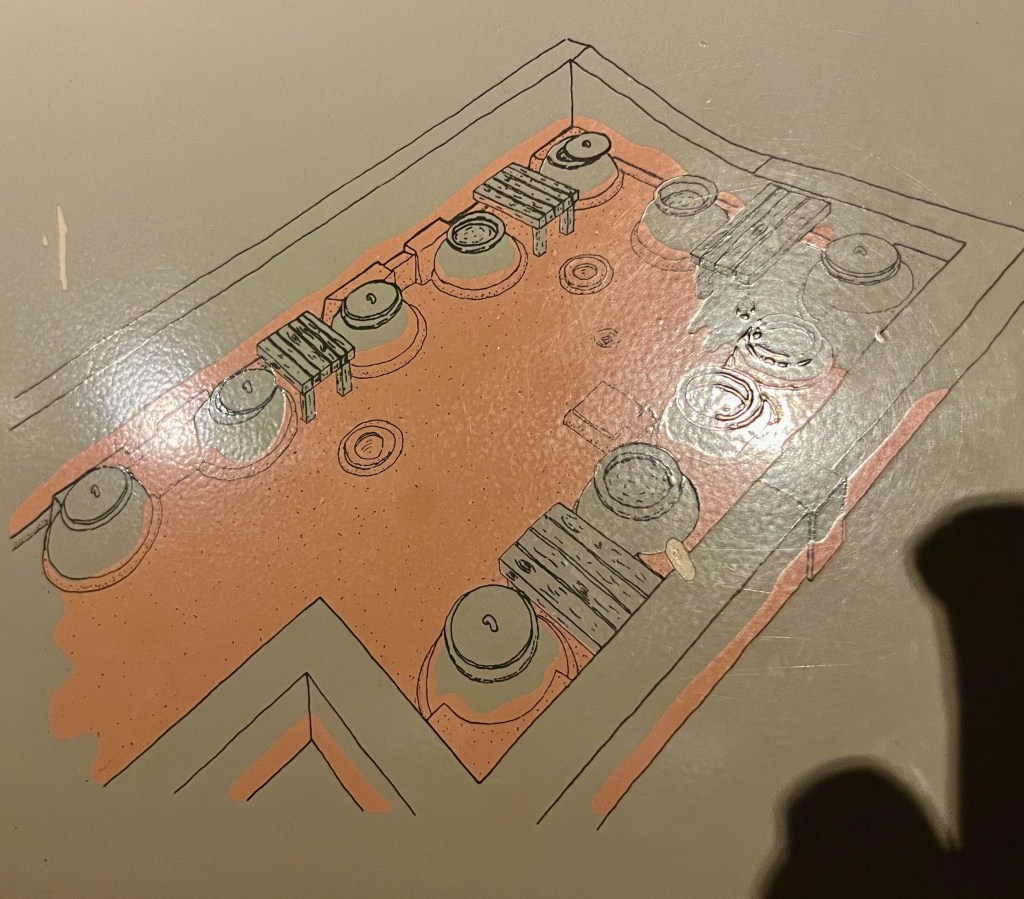
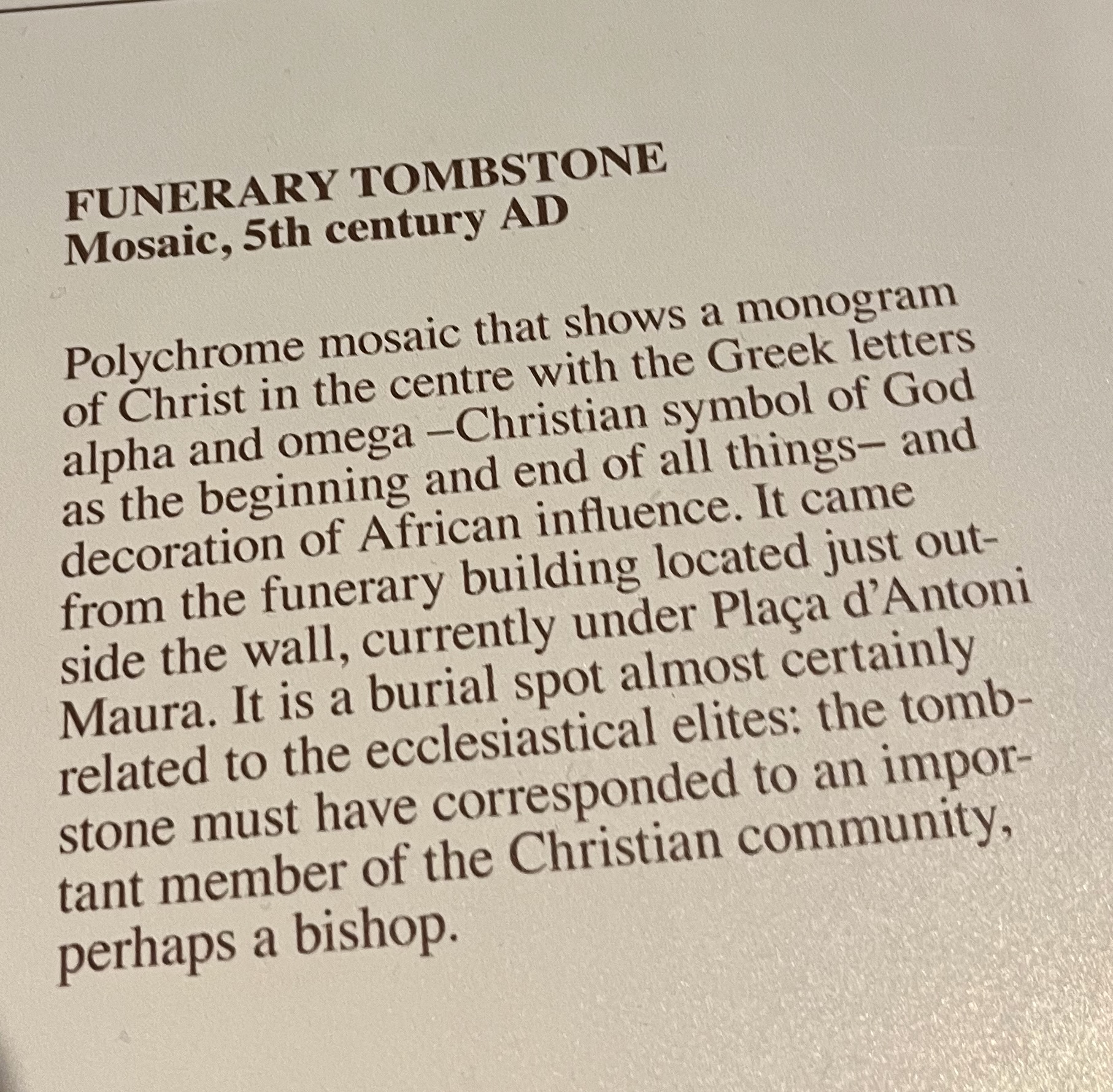
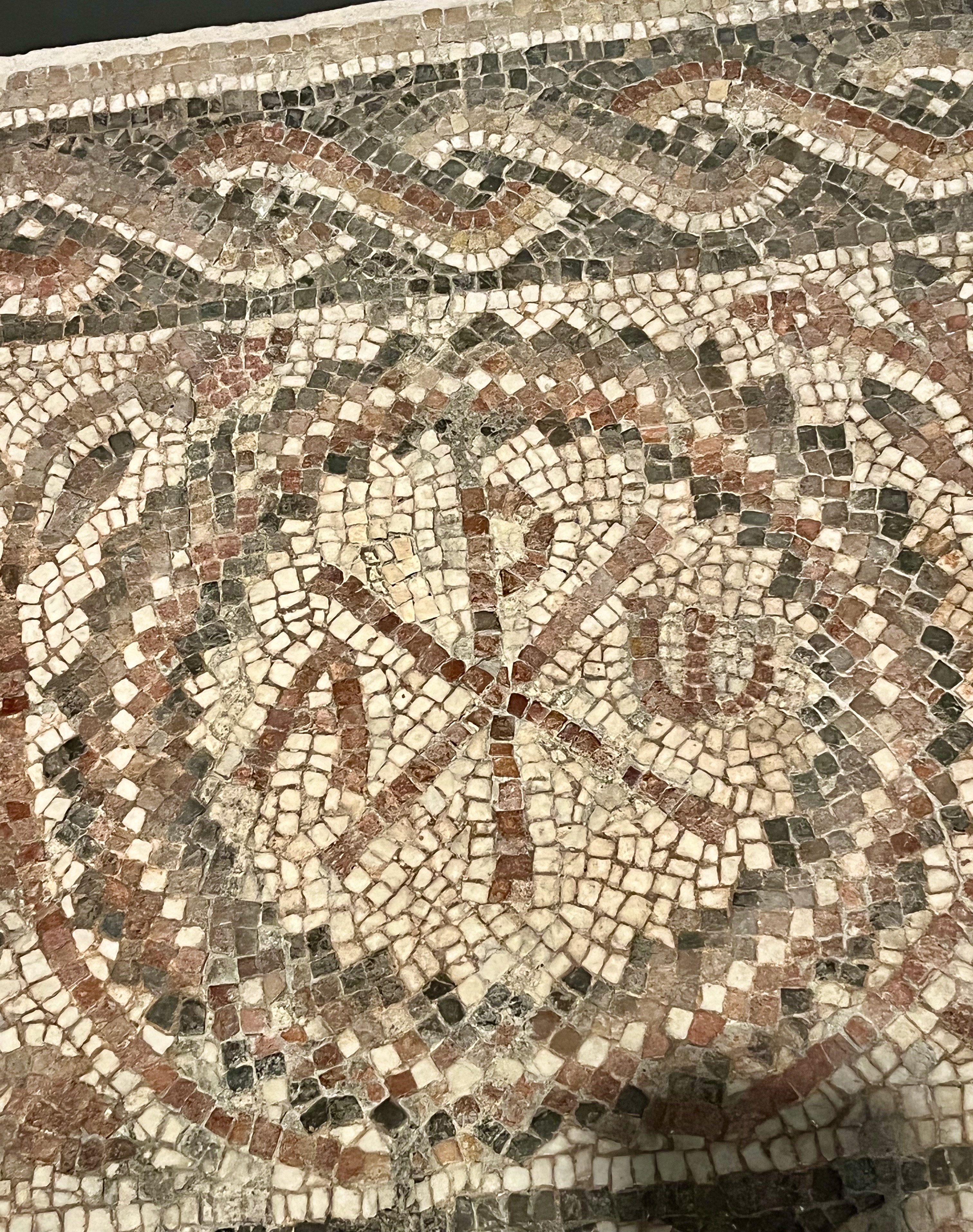
After visiting the museum we walked around the area and came across this fountain.
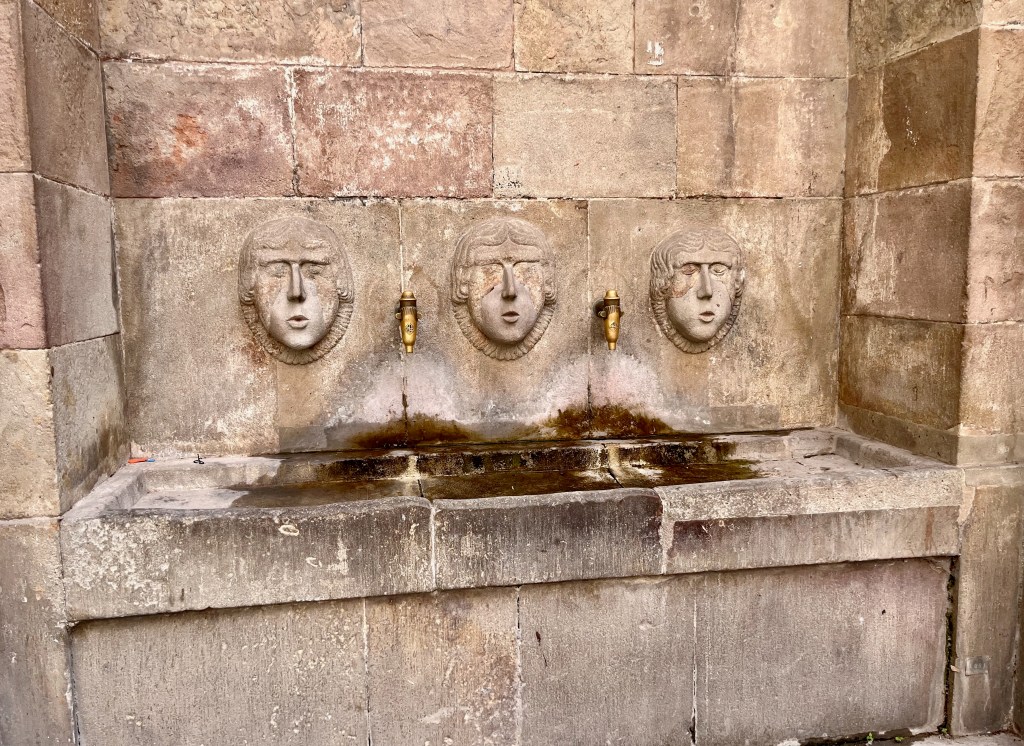
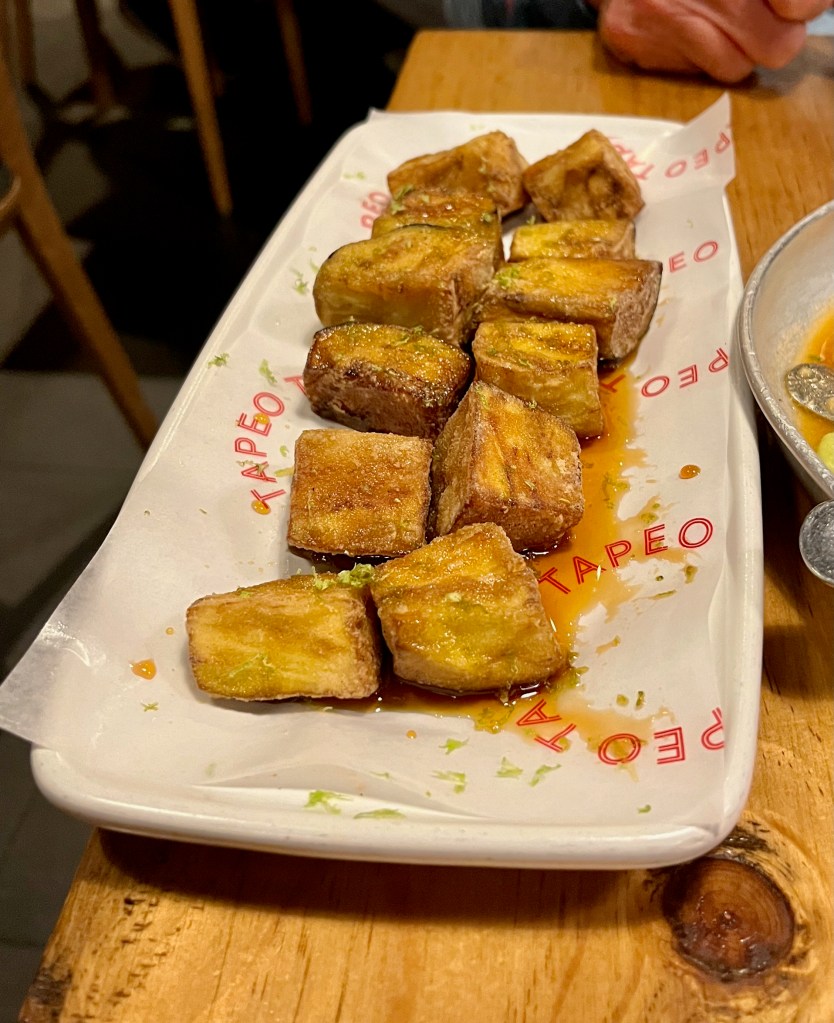
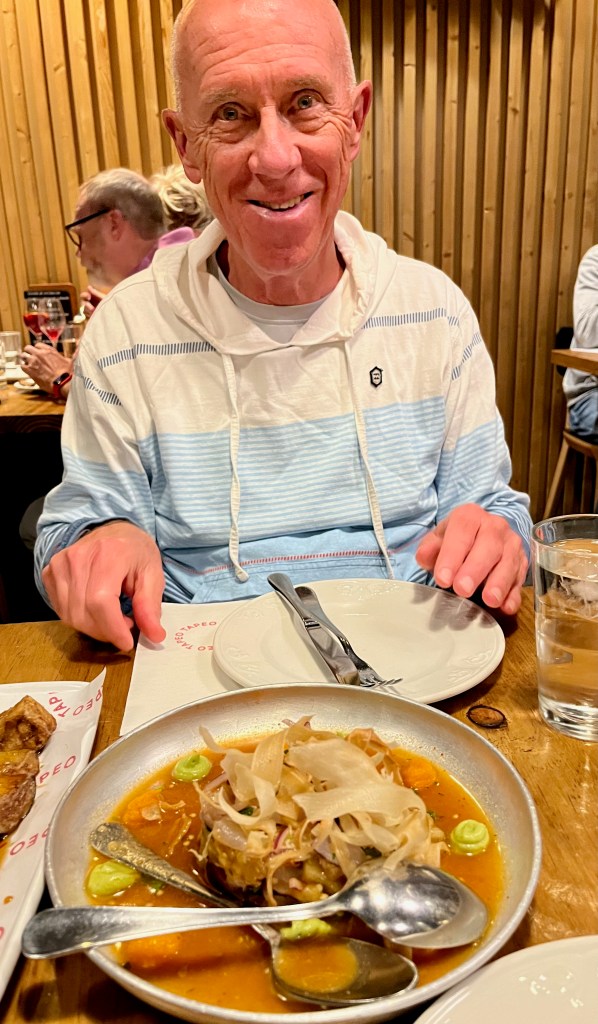
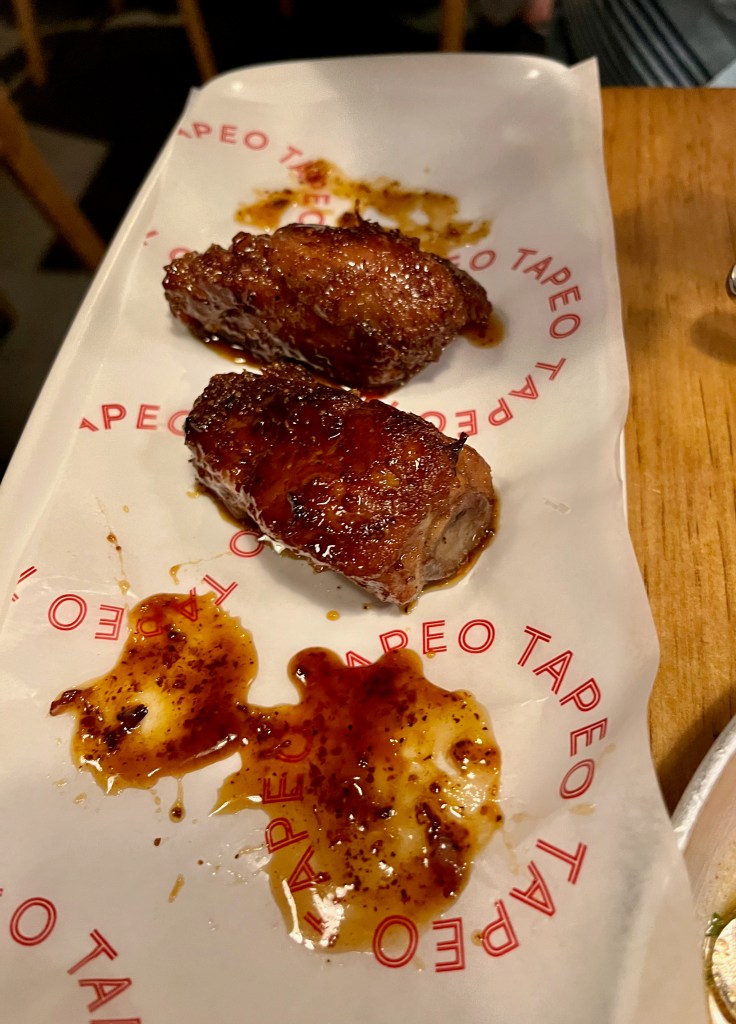
We had reservations to eat at Tapeo. Our good friend MK suggested this restaurant for us to try. It was well worth it. We actually knew where it was so it was easy to find.
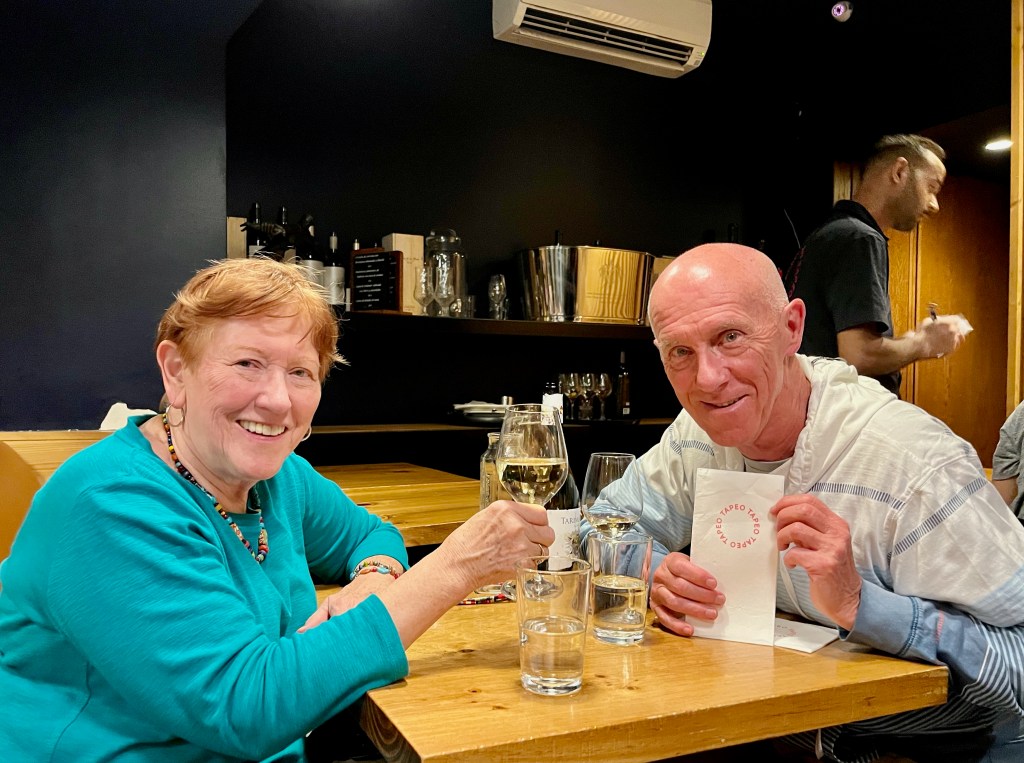
We sat next to two couples, one of which was from Toronto. Their food looked great so we ordered a couple thing that they had.
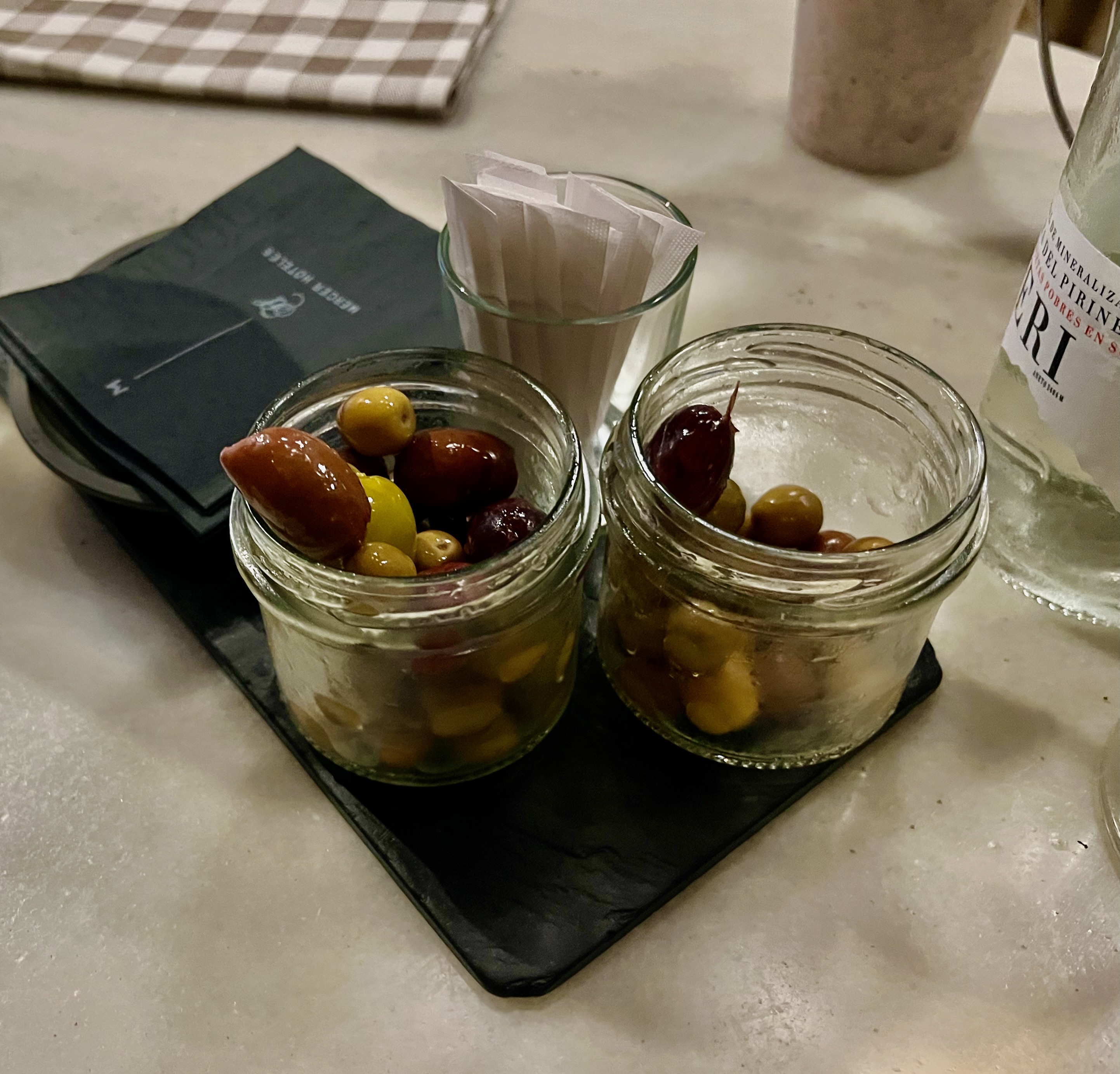
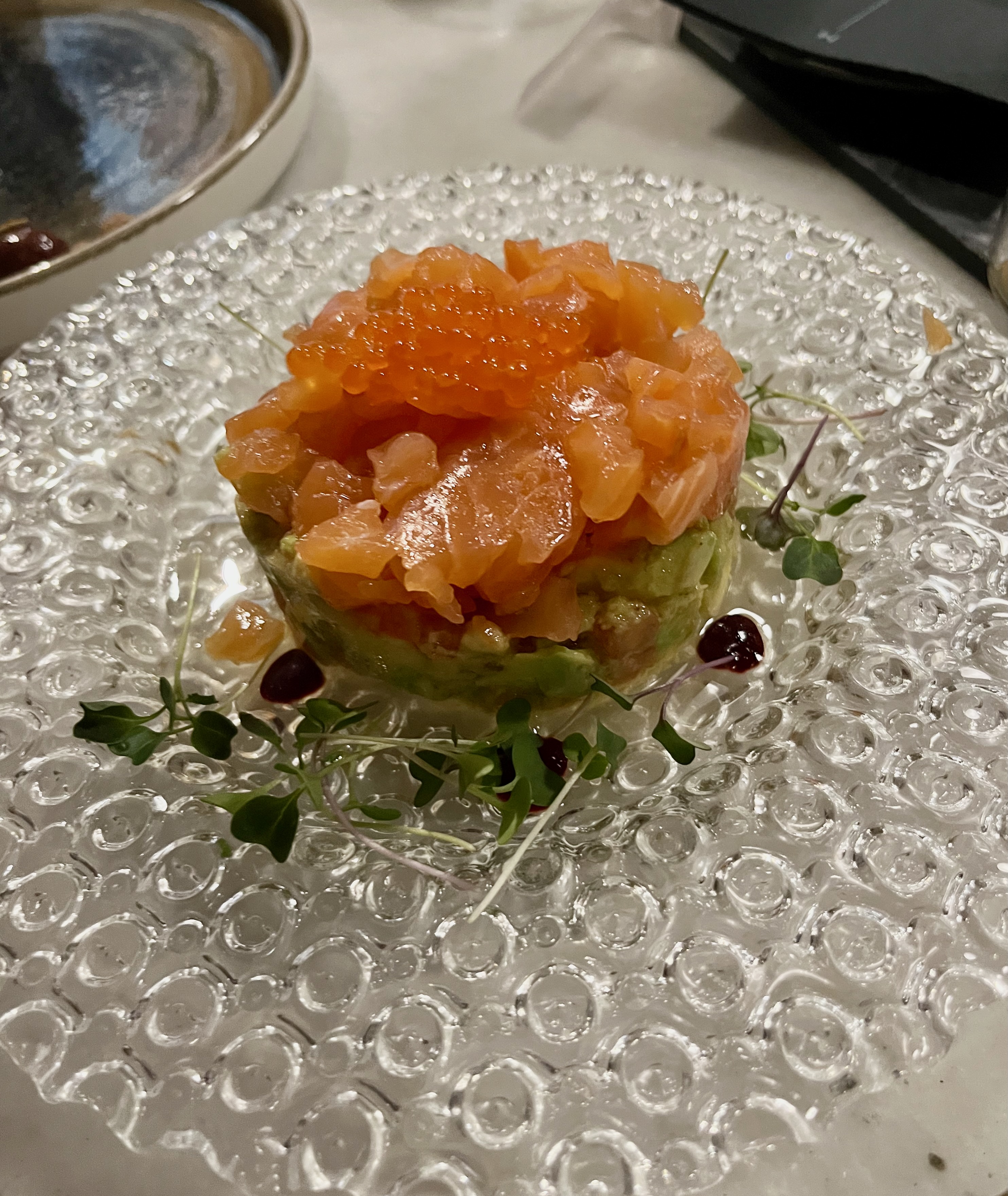
First course an assortment of olives and then salmon tartare over avocado with roe. I am not a fan of olives but the salmon tartare was good and the avocado added a great flavor.

 Meandering With Murphy